我在自己的博客上開了一個《修煉篇》的專欄,
以後我會在那裡做我的修煉心得交流,
也歡迎各位前來發表看法。


我在自己的博客上開了一個《修煉篇》的專欄,
以後我會在那裡做我的修煉心得交流,
也歡迎各位前來發表看法。
因為在給二兒找照片
她們會做一個Slide show
第一張是第一天上學的
還有一張是現在的
我問起大兒兩年前的事
才想起來他當時是拒絕提供照片
所以我跟老師說他不想我提供
但大兒說她們還是給他拍照
用在Slide show上面了
這都是他當時不喜歡的地方
之前我跟兩位老師開會時
二兒老師100歲的英裔女
她當時說如果人手不夠的話
就不做這個slide show
還說反正這是她們的孩子
男老師說我們這邊需要安排
什麼車輛啊座位啊等等
我們沒有多餘的精力做別的
我就明白了他們的立場
男老師還說只要幾個組的負責人來開會
不要很多家長來否則意見太多很難處理
我贊同他們的看法
所以後來我是按照這個思路行事的
但是那個媽媽就說這樣不行
老讓我給她打電話說她知道怎麼做
我沒有給她打電話而是寫了郵件
她態度還是很強硬於是我就攤牌了
我說那你們做吧我不做了
我把過程大致告訴了老師們
我還會經歷一次畢業典禮
三年後那會是我的目標
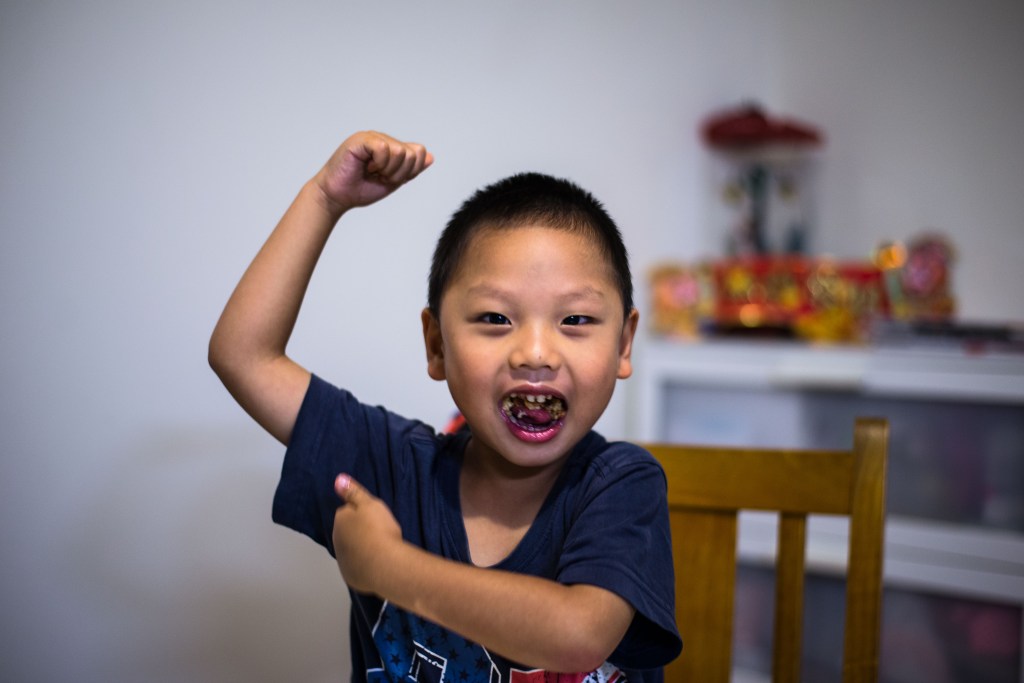
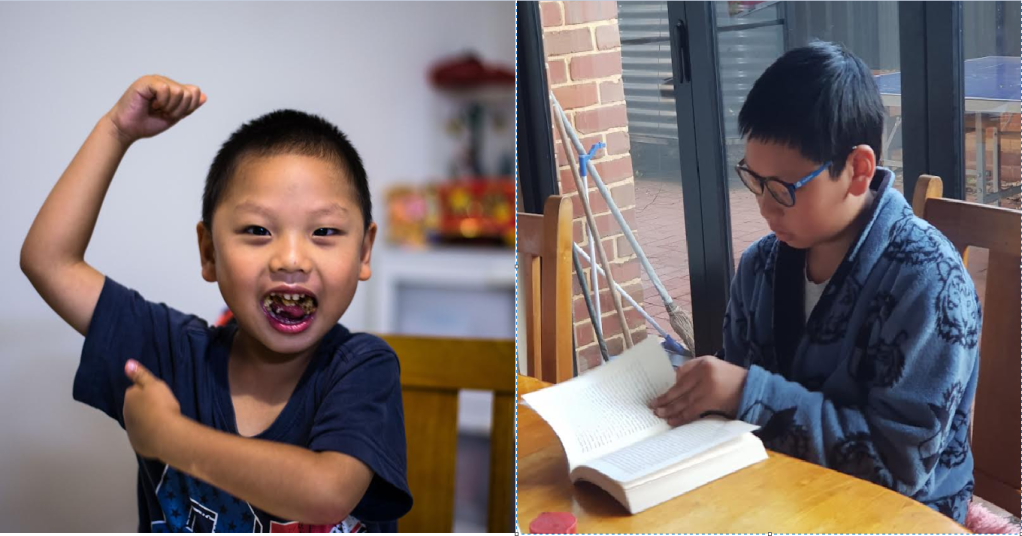
我先向二兒確認過,他沒有像哥哥那樣對出示他的照片感到反感,所以我選了這兩張。這也蘊含著我對他的期待。我認為三個娃中,只有他會走academic路線。
我也問他希望誰參加他的畢業典禮,他說希望爸爸和媽媽,其他人隨意。我說妹妹肯定會跟著我,但哥哥可能會不願意參加。女兒問為什麼,我說因為會給他帶來不好的回憶。
我那天跟醫生印度媽媽也談到這個問題,我說大兒最後那兩年小學生涯過得很痛苦,但是二兒就很開心,我說我不知道這是因為個性的問題,還是因為運氣正好遇到了對他好或是不好的同伴。印度媽媽說應該是因為正好遇到的人群問題。她說她的兒子很想快點move on到中學。
承蒙虞超同修關照,我花了三年時間寫出了這篇小作文,以飨讀者。
我對大法現狀的看法 —— 那麼,什麼是大法呢?大法是由師父自1992年所傳出的以《轉法輪》為主要讀物,以五套功法為煉功手法的,一套信仰體系,這是我的理解。因為師父在世,所以在之後不斷發生的各種事件下,師父又有了除《轉法輪》之外的更多講法,然後師父又告訴我們說,無論他後來又說了多少,都還是以《轉法輪》為主。如此來看,我認為我所應該堅守的大法,就是《轉法輪》+五套功法。
如果要談到大法的現狀,那就是我認為所應該堅守的大法,自從傳出後,從未發生過變化,以後也不會發生變化,仍舊是《轉法輪》+五套功法。
但是因為師父是在世師父,活著的師父除了公開講法以外,還帶著做了很多事,比如神韻,比如現在的乾淨世界,還比如你說的大紀元特稿,以及明慧網的態度,此外也有很多小範圍講法,那這些同樣都是出自於師父的東西,與《轉法輪》+五套功法之間,又是一個什麼關係呢?我認為最大的困難點在於這裡,同修之間最大的分歧也會在這裡。
如果就這個現狀來談的話,我贊同你所說的,大法現狀是腐化了,包括師父本人這個肉身,以及他的很多想法與決定,也就是說大法進入了佛家講的萬物皆有的成住壞滅階段的最末階段——滅。
但是因為師父又講過圓融的法理,講過他出來正法後,如果成功,未來的成住壞滅的規律,將變為成住壞圓融,而人類這個地方,也將能永遠存在下去,成為宇宙中的生命下走後,能夠通過修煉得以淨化回歸的地方。而非如之前那樣,生命不好了就會被毀掉再造。
那麼圓融這一步能否成功呢?我認為關鍵就在於我們,而不是師父。如果我們能夠穩定的修下去,能夠幫助下一代也穩定的修下去,那不就是使得大法在世間長存了嗎?
而我說同修之間最大的分歧,就在於當活著的師父所講的東西,與《轉法輪》相違背的時候,或者說弟子認為相違背的時候,弟子應該怎麼做。按照虞超你的做法,你是會抗命的,我也會。但對於許許多多的同修來說,我看到的他們是,不敢抗命,甚至他們都不敢說出內心那些真實的想法,在我看來,這都是偏離了大法修煉的原則。
一個人能否為自己的生命負責,能否為自己所做出的決定負責,我認為這是決定一個人是否能在大法中修出自己的關鍵。以目前我所看到的,這樣的人寥寥無幾。知名的就不用說了,4億事件可以看作是一個判斷標準,對於不知名的同修來說,虞超你本身就成為了一個對他們的判斷標準。
我覺得很多人反倒是越修膽子越小了,越修看事情越發糊塗了,你說過這是源於僵化的修煉實踐,這我也非常贊同。而這種僵化修煉實踐形成的原因,你也說過責任在於師父,我認為是一半在於師父,一半在於弟子本身。比如說,像你這樣的弟子,就不會陷入那些僵化修煉,儘管師父還是同一個師父。
而目前法輪功群體,也可以稱為大法的現狀,問題就在於像你這樣有獨立意志的同修太過稀少。那麼如何能改變這種狀況呢?我認為應該去中心化。
參加完上六年級的二兒年度音樂演出後,我問二兒:
吉米既上小提琴私家課,又參加學校的吹奏樂器項目,還加入了合唱團,他哥哥也是這樣,為什麼我的三個孩子沒有一個是這樣?
二兒說,因為他們的媽媽讓他們這樣。我問如果我讓你這樣,你會這樣嗎?
他說不會。我問,那是為什麼呢?
他被問煩了,回答我說,如果你覺得他們好,那就收養他們做你的孩子吧。
我笑了,心想他這回答方式,就是我對付他的方式啊。
我說,你們三個這樣,其實就是我所希望的樣子,而且是我一手造成的。
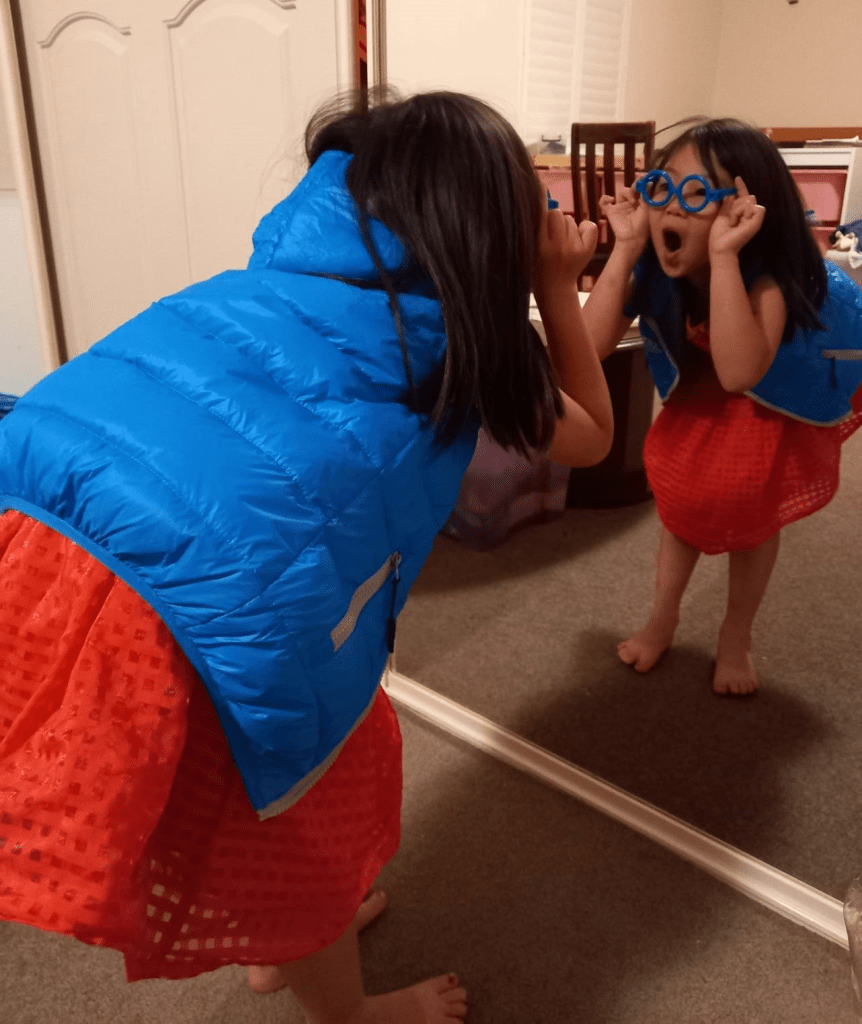
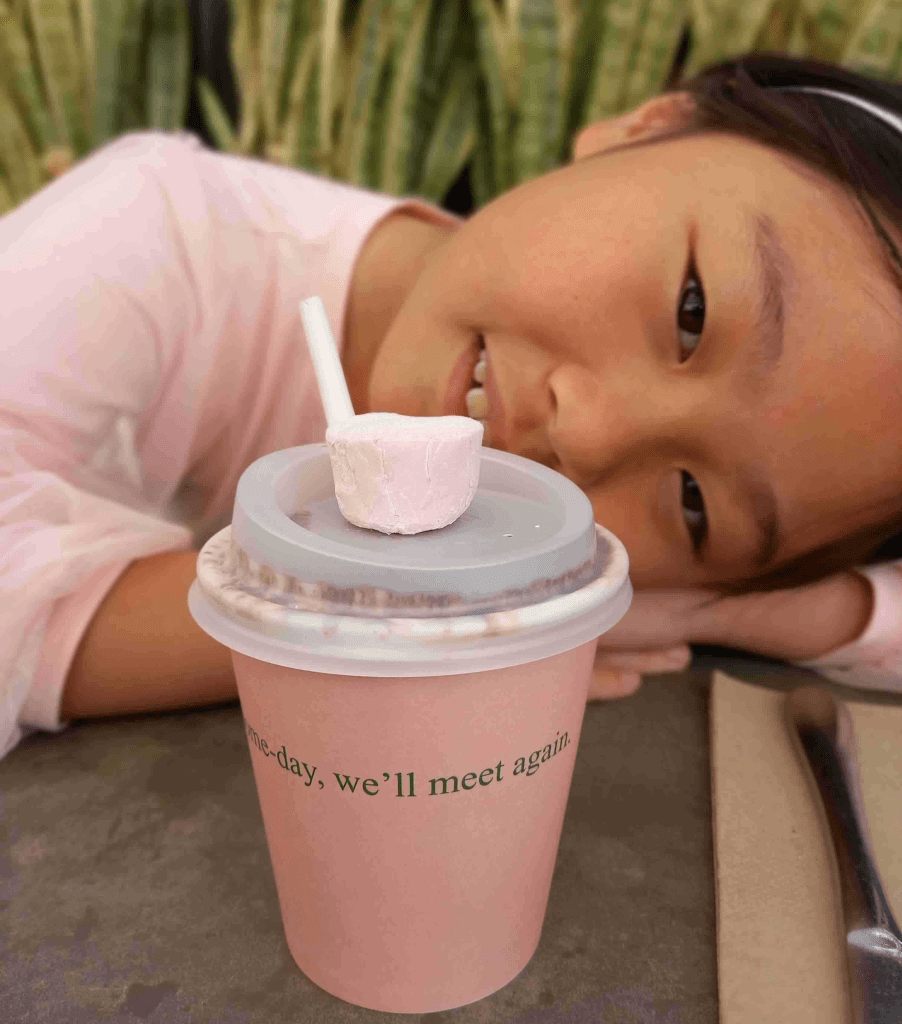
By Chen Qi
My children always say to me, “You are a mother we admire, love, and are proud of. We don’t wish for you to give us homes and money; we only want you to give us a book, an autobiography written by you, your experiences. This is the most significant treasure we want from you.”
I have always been lazy and have not fulfilled their wishes so far. Now, I feel that my time is running out. I am already seventy-three years old. Leaving China for over fifty years (including twelve years in Hong Kong and over forty years in Australia), my command of the Chinese language has deteriorated to the point where I can barely write many characters. There are numerous spelling mistakes. In order to fulfill my promise to my children, I am gathering my strength to write about the first half of my life. As for the second half of my life in Australia, I will leave that to my children to write, hopefully better!
The following are the experiences of my first half of life: everything about every person, every event, and every word is entirely true, without exaggeration or falsehood.
I was born in 1940 into a relatively well-off family. My father was an officer in the Nationalist Party – a brigade commander and a major general. During the Anti-Japanese War and the period of cooperation between the Nationalists and Communists, he fought alongside General Chen Yi in northern China to resist the Japanese invasion. My father was surrounded and killed by the Japanese and had his head cut off, which was then displayed on a city gate. He became famous as the “beheaded general, Chen Zhongzhu,” and after his death, the Nationalist Party promoted him to the rank of lieutenant general. I was just one year old at the time, and my younger brother, the “posthumous child,” was born three months after my father’s death. He was also the only boy in the family. I have an older sister, and we are the only three siblings in the family. When I was born, my mother hoped I would be a boy, but she was very disappointed with the outcome. My grandmother said, “Oh! Another losing bet.” However, my father was very happy and said, “Look, how beautiful she is! She’s my little princess, a little angel!” So, my name is Chen Qi, with “Qi” meaning “angel” or “fairy.” My father loved me very much, but unfortunately, he passed away a year later. Before my younger brother was born, my grandmother and my eldest aunt came to our home. If my mother had given birth to another girl, she would have had to raise my aunt’s son as her own. Luckily, heaven blessed my mother with a baby boy this time. The next day, my aunt left in disappointment with her son. As a result, my mother pampered my younger brother excessively. After my father’s death, my sister became the pillar of the family. She was indispensable to my mother in managing family affairs, making decisions, and more. She is five years older than me, and as the middle daughter, she became my mother’s target for anger. From my earliest memories, my mother never said a kind word to me. Her words as a parent were always harsh: “I get angry every time I see you, this piece of trash, this little troublemaker.” I was terrified of her, always hiding behind walls and avoiding her. Because when I faced her, I would either get beaten or scolded, especially when she used her fingernails to pinch me, leaving a bruise on my body. The bruise would take two weeks to disappear, but as one disappeared, she would pinch another one on my body. The bruises on my body were never-ending, and they were very painful. (I wonder if she derived any pleasure from doing this?)
After school, I always dared not use the front door, fearing I would encounter her. Most of the time, I entered through the back door, which led to the kitchen and the servants’ quarters. I lived in the kitchen alongside the servants. My elder sister had three rooms on the third floor, while my younger brother and mother lived on the second floor. I stayed on the ground floor, sharing quarters with the servants. From a young age, I was often hit by my younger brother and scolded by my elder sister. I was frequently made to kneel, and I knelt for a long time, unable to stand up until they remembered and told me to get up because, after kneeling for a long time, it became difficult to stand. My younger brother called my elder sister “big sister,” but he never once called me “second sister” in his entire life. Anyone in the family could hit me or scold me, even the housekeeper, Gao Ma, could casually give me a slap.
The servants in the household referred to my elder sister as “Miss” and my younger brother as “Young Master.” Every servant called me by my nickname, “Ermao” (Second Fur), directly. Unless the servants needed my help with something or wanted me to cover for them, they would address me as “Second Miss.”
Because I was afraid of my mother and avoided her, I had grown unaccustomed to calling her “Mom.” If I did happen to see her, I would be so afraid that I couldn’t speak. If my mother caught sight of me, she would always scold, “You’re mute! Do you recognize me? I get angry every time I see you, this piece of trash, this little troublemaker.” She often said, “You’re not my own child; I picked you up from the garbage dump. I couldn’t have given birth to such a silly child.” Of course, “silly child” became my given name.
I often wondered, “Who is my real mother? Why am I here by the garbage dump, and why doesn’t she want me?” I could never be the child of a mistress. My father loved my mother very much and never had a mistress, and my mother’s personality wouldn’t tolerate it either. She would never have allowed my father to have a mistress, let alone leave behind a child born to a mistress. I couldn’t be the child of a mistress. Perhaps I was picked up from the garbage dump. Why was I left by the garbage dump? When will I get to meet my real mother? Every time I saw children being coddled and embraced by their mothers; I felt a deep, unbearable pain in my heart. I’ve never had that kind of luck. I wish so much to have a mother hug and kiss me.
In my family, there was only one person who loved me, and that was my uncle’s first wife, Aunt Three. She was abandoned by my third uncle and had no face to return to her maternal home, so she stayed with us. She loved me like a daughter and was a kind-hearted person who radiated love to everyone. I often shared everything about my school life with her, and I enjoyed hugging her and inhaling her natural scent and the fragrance of her hair. It’s a memory I will cherish forever. I also liked sleeping in her bed and snuggling up to her.
Aunt Three worked in a nearby vegetable market close to my secondary school. After school, I would often take a detour with my classmates to the market to see her. I would introduce her to every classmate, saying, “This is my mom.” My classmates would be puzzled and ask, “You’re so pretty and tall. How come your mom is so plain looking and short?” I would reply, “Her inner beauty is incomparable, and inner beauty is more important than outer beauty!”
Aunt Three was very kind and had a loving and forgiving nature. She never got angry or criticized anyone. Even though she didn’t have much formal education, she taught me many valuable life lessons. She often said, “The more you give, the more you receive,” emphasizing the importance of treating people kindly and being forgiving. When others call you ‘Silly,’ don’t get upset. Being ‘silly’ brings its own blessings, and heaven will watch over you. I’m most concerned about your straightforwardness and naivety. You don’t understand the complexities of human relationships, your speech isn’t eloquent, and you’re timid and fearful. How will you establish yourself in society in the future? I hope you can be at least half as intelligent as your sister.
In order to avoid being scolded, I always wanted to be a well-behaved child. I didn’t dare misbehave and only wanted to study hard to achieve the best results. I remember one time when I brought my report card home, I was the second-best student in the class. My mother looked at it and tossed it back to me, saying, “You didn’t come first again?!” But when my younger brother brought home a report card indicating he might repeat a grade, she said, “It’s alright, I’ll invite the principal for a meal tomorrow, and you’ll still be promoted.” My mother didn’t scold my brother at all, and, of course, she didn’t praise me either.
Whenever my mom went out, she took my elder sister and my younger brother with her, but she never took me along. I had become accustomed to this. Therefore, all of my mom’s friends believed she only had two children. When they came to visit my mother, they would bring gifts for my sister and my brother and say to me, “Let your lady know I’ve come.” With tears in my eyes, I would turn around and leave, and the visitors would say to my mother, “Your daughter is so rude.” Of course, afterward, I would get a beating.
One time, my third uncle visited our home, and my mother politely asked us to call him “Uncle Three.” But we loved Aunt Three, and none of us would address that unfaithful man as such. My sister and my brother immediately turned and left, but my mother sternly called me, “Quickly call him ‘Uncle Three’!” I was afraid of my mother, so I reluctantly muttered, “Uncle Three.” Afterward, my sister scolded me harshly, and my brother called me “spineless.” I really didn’t want to call that man by that name, but I was afraid that if I didn’t, it would be embarrassing for my mother. I couldn’t refuse; only I called her ‘Mom.’ Do I have any room for objection here?
One day on the street, we met my maternal uncle (another commander). My sister greeted him loudly, saying, “Hello, Uncle!” My maternal uncle was very happy and gave us ten yuan (roughly equivalent to three months’ salary for a laborer). My sister took us out for a grand time in the city and spent a lot of money. She saved the rest of the money inside her socks and said, “Don’t tell Mom.”
When we returned home, none of us could eat, and my mother questioned why we couldn’t eat. Naturally, my sister and brother wouldn’t tell the truth. My mother only gave me a beating, forcing me to tell the truth. I was terrified, so I had to confess that our maternal uncle had given us ten yuan, and we spent it outside. It was a significant sum of money, and we couldn’t have spent it all. My mother stripped my sister of all her clothes, but she still couldn’t find the remaining money. My mother then turned to beat me again, and I had no choice but to point at my sister’s socks. My mother took off my sister’s socks and found the remaining money. Of course, afterward, I received another beating from my sister and brother. I was afraid of my mother and my sister and brother.
My sister and my brother, because they weren’t afraid of my mother, would often argue with her, especially my sister, who was very eloquent. My brother was also very stubborn and unreasonable. When my mother got angry, she would always take it out on me. When I saw them arguing, I would hide in my room, but I would still be called out and scolded. My mother would say, “Where have you been hiding? Are you mute? Can’t you speak? Every time I see you, I get angry. You cry for your father, but you want to make me cry, too.”
Because I had no status at home, I couldn’t be useful at school either. So, I studied hard, excelling not only in academics but also in moral character, sports, music, and art. All the teachers liked me, and no classmates looked down on me; we treated each other as equals. I’ve never gotten angry or fought with anyone. I endured whatever I could, and when I did get angry, I couldn’t say a word, and I knew that, so I never argued; I just got angry.
For example, one time, someone bumped into me, and he began scolding me, saying, “Are you blind? Can’t you see where you’re walking?” My classmates couldn’t stand it, and they all confronted him, saying, “Clearly, you bumped into her and now you’re scolding her. You should apologize to her.” There was a big argument, and in the end, he, knowing he was wrong, had to apologize and left, feeling embarrassed. My classmates turned to me afterward, saying, “We argued with him for your sake, and you just stood there quietly without saying a word. You really live up to your nickname, Sticky Rice Ball.”
In our front yard, there was an elderly uncle (my mother’s uncle) who was in his seventies, and all of his children had passed away. He enjoyed studying face reading, palmistry, and astrology, and none of the children in the yard wanted to listen to him talk about these things. Due to my timidity, I couldn’t walk away if he grabbed me to discuss physiognomy and horoscopes, so I had to endure listening to him repeatedly talk about these subjects and examine my palm and face. He often told my mother, “Among the thirty-plus children in the front and back yards, the one with the best physiognomy and destiny is her. You must treat her well because you’ll rely on her in the future.”
I didn’t believe my uncle’s words, and my mother didn’t believe them either. “This second dullard, how could she compare to her sister and brother? Can she be relied upon? Who would believe that?” Nevertheless, as I grew older and heard my uncle’s words more frequently, I bought some books to study them specifically and documented my findings. It was indeed true that one’s destiny is predetermined, and if you want to change your fate, you can only do so by doing good deeds. Seeking divine help or worshiping Buddhas may not be very effective, so it’s essential to be cautious and avoid being deceived.
In April 1949, Nanjing was liberated, and on October 1st, 1950, the Communist Party established the People’s Republic of China. My sister, who was just over ten years old at the time, joined the People’s Liberation Army and left home. My mother was taken away to serve a five-year prison sentence, and our house was thoroughly searched, leaving only the possessions in the servant’s room. The servant also left, leaving behind an elderly male servant who was over 80. Since he had no family or relatives, and had previously been a beggar, my mother kept him to watch the gate and tend to the flowers. He was kind-hearted, and because he had no home, he became part of our household. He took care of me and my nine-year-old brother.
At ten years old, I was already the head of the household, and my third aunt went to sell eggs to earn money to support herself and take care of us. She had bound feet, and she carried a basket of eggs to do business. Even though she couldn’t keep proper accounts, she was honest and didn’t cheat her customers. She managed to make a living this way.
I became labeled as a “little counter-revolutionary” and the child of a reactionary military officer because of my bad background, which made it difficult for me to hold my head high at school. I was also afraid to speak too much and only wanted to work harder. I wasn’t eligible to join the Young Pioneers or the Communist Party. I even intentionally left some easy questions unanswered on tests because I was afraid of being criticized for being too focused and not achieving high scores.
Once, my teacher saw that I left some easy fill-in-the-blank questions unanswered in an exam, and he thought it was impossible. Perhaps I had been careless and forgotten, so he knocked on my desk to remind me. I had no choice but to shake my head and submit the paper. After the exam, I explained to the teacher why I couldn’t answer all the questions, saying that I was afraid of criticism for being too focused and not achieving high scores due to my bad background. The teacher’s mother lived in Hong Kong, so he was deeply affected. There was nothing he could do, and he had to shake his head as well.
My math teacher liked me a lot and often gave me difficult problems to solve outside of class. He said, “Chen Qi, I hope you become China’s female version of Hua Luogeng.” However, he was criticized with big-character posters, one after another, stating that his teaching objectives were incorrect, and his class stance was not steadfast.
As a child, I could only stay at home after school, drawing, singing, and learning feminine arts. I borrowed books from the library to increase my knowledge in various fields, including music, fine arts, ancient poetry, and more. During my self-study at home, I joined the “Little Red Flower Art Troupe” in elementary school. When I reached middle school, my teacher applied for me to join the Middle School Students’ Art Troupe, but there was a mistake in the application. I was assigned to the singing group, and I only found out about the error when I arrived at the examination site. I had to make do with what I had.
In the first stage of the examination, “Music Listening,” the teacher played a piece on the piano, and I had to sing it immediately. He transposed the key and played another section, but I still sang it correctly. After several key changes, I received full marks. The second stage was “Music Notation.” They gave me a short song they had written (which had never been sung before), and I had to sing it within five minutes. Once again, I earned full marks. In the third stage, I had to choose a song to sing. I had not prepared for this at all because I had never performed as a singer. I didn’t know what to sing, but the other candidates suggested, “You can always sing ‘A Big River,’ right?”
Before they could finish speaking, they called my name. I saw a row of teachers sitting there, and I felt very scared. When I opened my mouth, I could only sing the first line of “A Big River,” and then I was too nervous to continue. At this point, the teacher said, “Don’t be afraid. Turn around and face the wall. You won’t be able to see us. Sing loudly.” So, I turned around and sang loudly. All the candidates outside suddenly realized someone was singing very loudly and gathered at the windows to watch.
Seeing that the windows were crowded with people, I was scared and stopped singing. I thought I wouldn’t pass the exam, as I hadn’t even completed singing one song twice. How could I get accepted? However, the teacher’s evaluation stated that I could be accepted and that I was suitable for singing folk songs. In this way, I entered the Middle School Students’ Art Troupe, and every weekend I had to practice singing.
It started with large choruses, then progressed to small group singing, and finally solo singing. In the art troupe, I learned a lot about music, vocal techniques, and stage experience, which turned out to be valuable knowledge for my future life.
I saved every penny and slowly accumulated enough to buy a set of watercolor paints. I saved more money to buy another set. In the end, I had only three colors: red, yellow, and blue. It took me a long time to save up for these three colors. I used these three colors to mix other shades. I would start by practicing on scrap paper (which I would also use as toilet paper once I finished), and only if I achieved good results, would I save more money to buy paper for my artwork. If I met someone knowledgeable about poetry and literature, I always tried to learn more about their expertise. That’s why my zither teacher was willing to teach me the zither. He didn’t charge me a fee, even though he was just a minor clerk at the grain depot.
I had a special fondness for the zither and worked diligently to learn it. My teacher was very satisfied with my progress. I took off my most valuable possession, a necklace, and traded it for the zither left by my teacher’s teacher, Lou Shuhua. On the back, there was an ancient poem and his name engraved. I treasured it and brought it back home, even though my mother scolded me to the high heavens. However, I was content. The old zither had thirteen strings (today, they are steel strings), resulting in a deep and elegant sound. I especially enjoyed playing it when it was quiet at night, as it had a unique and pleasant sound. Nevertheless, my mother would often scold me, saying, “Look, playing the zither late at night attracts a house full of ghosts. The cold wind blows, and the chill is unbearable.” Despite this, the zither became a cornerstone for my future life and career.
I loved music, chess, calligraphy, and painting. My classmates often said, “You belong to the 18th century but found yourself in the 20th century.” At the time, my ideal was simply to have “music, chess, calligraphy, and painting as my companions, while I discussed literature under a yellow lamp.” I wanted to distance myself from political discussions, discussions of social class, and conflicts between people.
During one performance, which happened to coincide with the railway workers’ cultural troupe’s performance, I played the guzheng and sang a folk song. After the performance, the head of the cultural troupe asked me if I wanted to join their troupe. I explained my family background as the child of a counter-revolutionary military officer, and my family’s property had been confiscated while my mother was imprisoned for five years. I asked, “Would you dare to accept a counter-revolutionary family member?” He fell silent.
He then inquired, “Did you inherit the guzheng, or did your teacher teach you?” It turned out that their troupe was looking for someone to teach the guzheng. I told him that my teacher had taught me the guzheng but had always said, “I don’t bend for five bushels of rice,” meaning that he wanted to teach only students he believed were worthy, not for a salary.
Later, during the Cultural Revolution, his guzheng was destroyed, and he was sent to the countryside to farm. It wasn’t until after the Cultural Revolution that he could return to Nanjing. When I met him, he was deeply moved to learn that I had preserved the guzheng he had left me and used it to teach students, perform in Hong Kong, and provide musical accompaniment for period films. After hearing this, he burst into tears and repeatedly said, “Thank you! Thank you!”
During high school, I remained in the High School Students’ Art Troupe, where I continued to practice singing and performing every weekend. During summer and winter breaks, I traveled with the troupe for voluntary performances across different regions, while my classmates were obliged to undertake labor projects, such as working on the railways or farming in the countryside.
One year, we performed along the railway for those who were participating in voluntary labor. As they saw me, they said, “You’re lucky to sing and dance here while we toil hard under the sun, sweating and getting sunburned. We keep working with sore shoulders and can’t even cry, complain, or give up.” Joining the High School Students’ Art Troupe was challenging, as they only accepted one or two students from a school, and some schools had no successful candidates.
During the Great Leap Forward, propaganda posters were everywhere, with each wall adorned with huge murals. Our school also had to put up these posters. My classmate and I were assigned to complete one such mural. We worked hard, going up and down the scaffolding to finish this massive painting. It was the largest painting I’ve ever completed, and it’s a cherished memory.
One day, a P.E. teacher, quite elderly, approached me to inquire, “Yesterday, before our meeting, we teachers were discussing who the most beautiful student among our 2,000 students is, and everyone said it’s you. But they’re curious why you always wear a hat, pulling it down to your eyebrows, and wrap a big scarf around your face, only showing your eyes. They wondered if you’re afraid of showing your beautiful face. I told him about my frequent headaches. Any exposure to the wind would trigger pain. He laughed, “You’re truly a Western beauty.” In reality, it was due to poor nutrition, low blood pressure, and frequent headaches that I covered up.
At that time, I was the head of entertainment in the school, responsible for many cultural activities. I often had to write large banners, prepare art signs, and manage the organization of performances. My handwriting wasn’t good, unlike my sister’s beautiful script. I had to use a ruler to draw characters. The more I drew, the more I became competent at creating art signs. During holidays and special occasions, I had to review and rank the performances by different classes. I remember one year; I was impressed by a lotus dance from a junior high school class and ranked it first. The lead dancer, Wang Yuling, was very beautiful, and she danced very well. I thanked her for her contribution, and we all had a good impression of her. (to be continued)
My cousin Le Keqin, who lived in the front yard, and I, who lived in the back yard, grew up together, and went to school together. He never hit or scolded me. I had long regarded him as my real older brother. Whenever he wanted to pursue a girl, he would take me along. I figured he probably felt shy and didn’t want to go alone, so he brought me with him. I was always happy to help him, acting as the “third wheel.” Every time we went together, I enjoyed the experience.
We chased after three girls, one with the last name Dong, one with the last name Wang, and one with the last name Yang. All three of them had great qualities, and they treated my cousin well. Wang’s father was a diplomat from the Nationalist Party, so their family was wealthy, and their house was big and beautiful. Yang was the most beautiful and had a good singing voice. But I liked Dong because her younger sister was in the same class as me.
Strangely, none of these relationships went anywhere, and I never asked why. It wasn’t until my second aunt, Le Keqin’s mom, was in the late stage of cancer, and she wished for her only son to get married for her joy. She hoped that I could marry my cousin and get closer to the family. I told my second uncle that I had always considered my cousin as a true brother. How could I marry him? My second aunt was very disappointed. Later, someone introduced Wang Yuling to my cousin, and my second aunt asked me, “How is Wang Yuling?” I replied, “Wang Yuling is very pretty and a good person.” My cousin was satisfied, and they married quickly. However, my second aunt, upon learning about her background, was very dissatisfied. On her deathbed, she cursed the matchmaker, accusing her of ruining her life. She also said to me, “Chen Qi, even you deceived me. You said she was good.” At her funeral, I held her icy cold hand and said, “I did not deceive you. Wang Yuling is a good girl. Your dissatisfaction is with her background, her family. How does that have anything to do with her? Really, I did not deceive you. Please don’t blame me!”
A few years later, I met the girl surnamed Dong. At first, she ignored me, which I found strange. I asked her many questions and she eventually changed her attitude. She told me that she had a daughter and was divorced from her husband. I asked her, “In the past, you and my cousin were a great couple, my second aunt liked you, and I thought you would be my sister-in-law. Why couldn’t you two end up together?” She said, “Are you kidding me? I really hate you! I hate you so much! I liked your cousin very much, but he told me that he loved you.”
I said, “You must be joking. I regarded him as my real brother. Whenever he saw you or other girls, he would take me along, and I thought he wanted me to help him chase girls. I willingly played the role of ‘third wheel.’ Who would have thought that both you and my cousin were unhappy? Life is full of unexpected twists and turns!”
In middle school, a female classmate’s father had only been a small policeman during the Nationalist era. During one political campaign, she couldn’t bear the repeated interrogations by others and eventually went insane. She kept mumbling to herself, “What did my father do? I was just a child at the time. I didn’t know anything! How can I separate myself from my father? I must go home every day, and he needs to raise me. I see him every day. How can I separate myself from him? How can I do that?” She kept talking to herself like that. I was always alert, reminding myself to stay strong and not think too much. I was determined not to end up like her. Don’t overthink things. Keep your nerves relaxed and focus your energy on studying, singing, art, and music.
During junior high, I often drew pictures, and my art teacher liked my drawings. So, I frequently drew pictures to ask my teacher for guidance and to learn from him. Another classmate, surnamed Xu, sat next to me in class, and we had some common interests since we frequently interacted. He enjoyed listening to me play the guzheng and liked writing quirky poems with me.
Once, our class had to perform a Tibetan dance, with a total of 14 people participating. I played the female lead, and Xu played the male lead. Because he drew and painted a lot and was quite skilled, he was accepted into the Nanjing Normal University’s art department after junior high, while I went on to high school, and we lost contact.
After finishing high school, the film school, drama school, and art school would all be enrolling students. Naturally, I wanted to join the film or drama school, but I knew my family background was not favorable, and I was certain I wouldn’t be accepted. I thought if I chose a less popular field, I might have a better chance. So, I applied to the art department of the School of Arts. At the time, only 15 students applied for the program, but the school was only accepting five students.
The examination room had many windows, and the drawing boards were positioned vertically. The older students outside could see what each candidate was drawing. Each time I finished a drawing and stepped outside, the older students would say, “You drew the best.” I thought that if they only accepted one female student, it would likely be me. The final step was the oral interview, where the teachers didn’t ask questions about art but instead probed into my family background. I understood that they wouldn’t accept someone with my family background, so it was inevitable that I would be rejected.
The college entrance exam arrived, and at that time, you weren’t allowed to write your name on the test papers; you had to use your registration number. I knew I wouldn’t be admitted to college. However, I still tried my best on the exam. The chemistry teacher, who was responsible for grading the papers, enthusiastically told me that he checked my school number and said, “You had the highest test score in our school.” I told the teacher, “I won’t be able to get into college. I’m the child of a counter-revolutionary officer. Our family was confiscated, and my mother spent five years in prison. Can I get in?” The chemistry teacher only said, “What a pity, what a pity!”. Of course, I didn’t get into college.
After the results were posted, the students who didn’t make it had to return to the school for a meeting. None of them had poor grades; they were all high-achieving students with unfavorable family backgrounds. The students looked at each other, and there was a lot of silent understanding. Some students’ fathers had been executed by firing squad, while most of the fathers were imprisoned. Only my father had been killed by the Japanese; he was an officer in the Nationalist Party fighting against the Japanese invaders, which also made him a counter-revolutionary (although he has been recognized as a martyr in modern China).
Because I couldn’t get into college and couldn’t find a job due to my unfavorable background, I ended up being admitted as a backup student to Nanjing University of Chinese Medicine, which had recently been established. Although I didn’t like traditional Chinese medicine, it was still better than not going to college at all or finding a job. The other students admitted as backup candidates with me were all academically excellent and hardworking kids. By the time I arrived, the lessons for the first half of the semester had already been completed. But before the exams, all the students had self-studied the materials from the first half of the semester, and everyone received good grades.
The professors told me I had the highest score. Not long after that, I became well-acquainted with the cafeteria workers, the gatekeepers, and the tea service staff. The gatekeeper told me, “You have mail in the gatehouse.” When I went to pick up the letter, I couldn’t find it. The gatekeeper told me that the mail had to be checked before being given to me. I was very angry. I grew up in Nanjing and wasn’t a spy. What could I possibly do? At that time, a classmate lost a pen, and they insisted that a girl from a landlord family had stolen it. She had no choice but to open her luggage and let them search through it thoroughly before they finally gave up. My future was filled with uncertainty, and I didn’t know what lay ahead.
At the Chinese Medicine College, the teaching staff mainly consisted of veteran Chinese medicine practitioners. While they had extensive practical experience, their theoretical knowledge was lacking, and they didn’t always provide thorough explanations. We students were often curious and asked questions like, “Why?” This frequently irritated the teachers. They’d say, “When I was learning, the teacher taught it this way. That’s how it is, who else could I ask for clarification? I’d rather take on a grade school or junior high school student as an apprentice than teach you university students.”
Although I wasn’t particularly interested in traditional Chinese medicine, I was still keen on expanding my knowledge. So, I bought all the textbooks for the Chinese Medicine College as well as relevant textbooks from Nanjing’s First Medical College and studied on my own.
Later, a female classmate from my high school came to the Chinese Medicine College looking for a job. However, the head of the human resources department asked her to meet him in his dormitory. I waited not far from the dormitory for her. When she came out, her face was flushed, and she was trembling with anger. She told me, “That bastard wanted me to become his girlfriend before letting me enter the Chinese Medicine College, so I ran away.”
I thought the head of the human resources department was truly despicable and deserved punishment. However, due to my unfavorable background, I was always cautious with my words, and I couldn’t report the incident. I kept it to myself until one day when our class’s Youth League leader, who was friendly and kind, sat next to me on the bus ride home. That’s when I finally told her about the incident.
The next day, the Party branch secretary summoned me and angrily accused me of spreading false rumors and undermining the party’s and the leadership’s authority. I said, “I didn’t mention this incident to anyone for such a long time. I only reported it to the Youth League leader yesterday. Is that also wrong? I’m not making things up. I was waiting outside the dormitory, and I could see her anger, her expression, and hear her words. There was no need for her to lie to me. This is the truth.”
The Youth League leader and Party branch secretary knew it was the truth, but they had to deny it in order to maintain the party’s dignity. This incident made my life at the Chinese Medicine College even more difficult. I eventually obtained a doctor’s note stating I had a “neurological disorder” and used it to apply for a leave of absence, which allowed me to leave the Chinese Medicine College.
Afterwards, I struggled to find a job and took up temporary positions as a substitute teacher. I filled in for teachers who were sick or on maternity leave. I had a continuous stream of substitute teaching assignments. But I always felt inadequate and insignificant.
During high school, one day, our history teacher was covering modern history, specifically the history of resistance against the Japanese invasion. He couldn’t help but share a story about resistance in his hometown. After class, I told him that the general he mentioned, whose head was severed by the Japanese, was my father. The history teacher said, “I wasn’t supposed to talk about the Nationalists’ resistance against the Japanese; we were only allowed to talk about the Communist Party’s resistance. But this event happened in my hometown, and I can never forget it. I couldn’t help but share the story. You know, after your father’s death, everyone in Taizhou cried. He’s the only one we praise without labeling him a counter revolutionary. (There’s a memorial with his photo and bilingual records in Taipei, and there’s a memorial tombstone for him in Yancheng, Jiangsu).”
In high school, people started pursuing me, secretly slipping notes into my books, and leaving many letters at the school’s gate. Some classmates even visited me personally under various pretexts, but I always kept my distance. While I was alone with them, I would listen to what they had to say and then politely see them out, never inviting them inside. I did this because I was afraid my mother wouldn’t approve, and I wanted to avoid any complications. I left their notes and letters unanswered, refusing their invitations.
My mother had been reading these notes and letters all along, quietly observing that I never accepted any of their invitations. She found it strange and would remind me, “Aren’t you going out today? Don’t you have anything to do?” Of course, I always replied in the negative. The neighbors near our home and my mother’s friends would also introduce me to various young men, but I turned them all down. Even I found it strange why I disliked all these people, and why I felt reluctant to be with them. Slowly, I realized it was because I kept comparing them to my junior high classmate, Xu Jun. That’s when I realized that my heart still belonged to him and that there was no room for anyone else.
One day, another classmate told me, “The classmate from our junior high who got into the Normal University’s Art Department has a girlfriend in the Music Department.” His casual remark devastated me, and I decided that I would never marry anyone and remained steadfast in this resolve. I refused all advances, even those from other classmates and friends.
Then one day, my sister’s colleague, Lin, who was studying in Zhongshan University in Guangzhou, stopped by Nanjing on his way and brought some of my sister’s clothes to me. He launched a pursuit on me, returning during every winter and summer break to visit me in Nanjing. My mother always invited him to stay at our home and pushed me to go out with him every day. But as soon as we left the house, I’d invite my classmate, Li, to join us so there would be three of us.
I never spoke, and if he asked if I wanted to see a movie or eat something, I’d reply with a simple “yes” or “no.” My answers were always minimal. Li would engage in conversation with him, and I told Li, “That’s great; you can pursue him.” So, Li confessed to him, “I love you, but Chen Qi doesn’t love you at all.” As a result, they started communicating, but he couldn’t forget about me, and he found it difficult to love Li. He ended up writing a letter asking me to marry him. I told him plainly, “I will never marry anyone unless I see the moon at night on my thirtieth birthday.”
Of course, he never sent the letter, but my mother read both our letters. She pressured me, asking why I didn’t have a boyfriend, why I vowed never to marry, especially since I’d never dated anyone and had never been in love. She demanded to know the reason behind my decisions, and she wouldn’t let me go to sleep until I told her. It was past midnight; everyone was asleep by 7 or 8 in the evening in China. It was incredibly late. I was exhausted, but my mother persisted in asking me why I was refusing to have a boyfriend and vowing never to marry. I finally told her, “I just like Xu Jun from junior high. I didn’t understand my feelings when I was younger, and we’ve been apart for three years. I haven’t received any correspondence from him. Only now do I realize that I still love him. I’ve been comparing everyone I meet to him, which is why I can’t like or love anyone else. When I heard he had a girlfriend, I decided never to marry.” After hearing this, my mother finally let me go to sleep.
Two days after I confided in my mother, Xu came to visit me. I wasn’t home, so he left a note saying he was sick and in a sanatorium. When I returned, my mother gave me the note but didn’t say anything. Instead, she put it in my book. Two days later, she asked me to write a letter to my sister and wondered, “Where is your sister’s new address?” I asked her, and she replied, “It’s in the book.” When I opened the book, I miraculously found the note he had left for me. I was stunned.
My mother knew something was wrong and said, “The person you’ve been thinking about day and night is sick. Don’t you want to visit him?” I hesitated. Could I really go? Would it interfere with his relationship? So, I went to my good friend Fei Fengqi’s boyfriend, Han, for advice. Han and I had been classmates since elementary school, through junior high, and then into college. He was also Xu Jun’s junior high classmate. We hadn’t seen each other for years, but we ended up at two universities near each other. We planned to meet at a set time. During the third meeting, Han told me, “I have something to do. You can go ahead; I’ll join you later.” So, I went alone to see Xu Jun.
He showed me a letter he received from Han. The letter explained that I wasn’t his girlfriend; his girlfriend was a good friend of mine from the Music Department. It said that I’d been using him as a decoy, but I was really in love with him. However, I believed he had a girlfriend, and that’s why I decided to use him as a pretext to avoid being pursued by others. He assured me he didn’t have a girlfriend and that he’d never forgotten me. He only had the courage to find me after he was sick and admitted to a sanatorium. We decided to become close friends and share our feelings with one another. He said, “You know my heart, and I know yours.” I couldn’t have been happier. At that moment, I felt like the luckiest person in the world.
After Xu Jun graduated, he was assigned to be an art teacher at Wuxi Light Industry College. Before leaving, he gave me several of his paintings and asked me to submit them to an art competition. I noticed that all the paintings primarily featured women, with one showing a woman fishing, another woman tending to chickens, and a third woman working in the fields – each painting showcasing a woman at work.
Each of these women appeared like celestial beings, beautiful faces, graceful figures, and their labor portrayed in a beautiful way. I thought, “The women in his heart are so beautiful; I can’t compare to them. I deeply felt I wasn’t worthy of him.” His paintings won awards, earning him more than 70 yuan in prize money. He told me, “This is the first deposit for our future marriage.” I felt that the world was beautiful, and fate was being kind to me!
During this time, my menstrual cycle was irregular, and I often experienced delays and very light bleeding. My breast development was also poor, and I had a small and tilted uterus, making it challenging to conceive. The doctor told me that my chances of pregnancy were minimal, and it might be difficult to have children in the future. I thought that if I couldn’t have children, I might end up harming Xu Jun – he wouldn’t be able to have children either.
Furthermore, a fortune teller once said that my birthdate had an all-yang constitution, meaning I had an inauspicious fate in terms of marriage, and it would only be alleviated if I married a man ten or more years older than me. My mother was deeply resentful, saying, “You’ve already brought misfortune to your father, and now you want to bring misfortune to me?”
Xu Jun’s health wasn’t excellent either. Would I inadvertently harm him? This was not love; this was causing harm. We were in a long-distance relationship, exchanging letters regularly. In his letters, he would vent his frustrations about the realities and circumstances. He said, “I can only say these things to you; I can’t say them to anyone else.”
I treasured his letters and kept them, along with the envelopes. The young man, Lin, who had received my rejection, was very disappointed. He agreed to my friend’s pursuit, and they started corresponding. However, he was still unable to love her. After graduating from Zhongshan University, he decided to leave China and go to Hong Kong. He wrote to me about his current situation.
Of course, my mother had also seen this correspondence. She had a sinister plan. During the summer vacation, when Xu Jun returned to Nanjing, my mother located his address from the envelopes and paid a visit to his family, where she made a scene. She said, “You, a toad, want to eat swan meat. Look at yourself; a consumptive patient! I have all the letters you sent to Chen Qi. I have all your letters criticizing the Communist Party. If I hand these over to your college, do you know what will happen? Your political status is already problematic. Can you continue teaching at the university? Can you avoid imprisonment? If you continue to associate with Chen Qi, I will definitely give them these letters!”
After scolding him, she triumphantly returned home. Xu Jun’s mother cried and told him, “With such a mother, you’re bound to have a similar wife. Don’t let yourself be fooled by a girl like her. Your father died in prison; it wasn’t easy for me to raise you. For your sake and mine, promise me not to have any further contact with Chen Qi!” She immediately “escorted” Xu Jun back to Wuxi, away from Nanjing.
I received no news from him at home. My letters to him went unanswered. I couldn’t understand why, and it made no sense. This was my first and only love, a love that was so deep and enduring, yet we never held hands, never kissed.
Then, my mother played her next card. She asked my cousin to send a telegram to Lin in Hong Kong, saying, “Come back for the wedding – Chen Qi.” Lin was thrilled when he received the telegram, thinking I had changed my mind and agreed to his proposal. He responded immediately, “I’ll be there in a week.” My mother showed me the telegram, and I was trapped at home. She informed me that the Communist Party only knew that I sent the telegram, and if Lin came and I refused to marry him, there would be consequences. She also told me about her visit to Xu Jun’s house, where she had warned him. She argued that since I had initiated this cross-border relationship and refused to marry, the Communist Party would not allow me to travel to Hong Kong.
Lin arrived in Nanjing with many gifts. My mother happily arranged the wedding, invited close relatives, prepared a wedding banquet, and provided some wedding sweets. Back then, people would consider two people married if they shared a bed sheet, so we each brought our own bed sheet. Lin brought foodstuffs such as oil, flour, and dried mushrooms from Hong Kong.
Before the wedding, I told Lin, “I don’t love you now, and I won’t love you in the future. Never will I love you.” He replied, “My love for you is enough.” I told my mother, “I hate you now, and I’ll hate you in the future. I’ll hate you forever!” She said, “I’ve eaten more salt than you’ve eaten rice. One day, you’ll understand, and you’ll be grateful to me.”
Of course, my request to travel to Hong Kong would never be approved. However, I was already pregnant with his child! He was anxious to find a way for me to go to Hong Kong. His father was doing business in South America, Peru, a former Spanish colony, and he sent a fabricated permit for me to enter Hong Kong with my photo attached. This document was sent to the Ministry of Public Security in Beijing and was then transferred to the Jiangsu Provincial Public Security Department and finally to the Nanjing Municipal Public Security Bureau. Due to its written in Spanish and being an unusual request, the authorities who reviewed it in China had limited Spanish language proficiency. They saw a picture of me, and it was transferred from the central government, so they reluctantly allowed me to leave for Hong Kong. I managed to get to Hong Kong just in time before the child was born.
In 1962, before I went to Hong Kong, my mother made me swear that I would never enter the field of art. She wanted me to become a homemaker, taking care of children and cooking. She believed I was too naive, too dull, and too useless, and I also thought of myself as being of no use. So, I took an oath not to enter the world of art.
My second aunt asked me to find a relative of ours, Mr. Zhou Rujie, in Hong Kong. I found him; he used to be the production manager at the Cathay Organisation (but soon switched to TVB as a training school director after his former boss, Run Run Shaw, passed away in a plane crash in Taiwan). When I went to his office, there was a record producer named Liu Hongyuan there as well. Upon hearing that I had recently arrived from China and had been a singer in the Chinese High School Art Troupe, he asked me to sing a song. I sang a couple of lines, and he immediately invited me to come to his record company the next day.
The next day, I went to the record company, where he played the piano as I sang a folk song called “Embroidering a Wallet.” He also asked me to sing a Huangmei opera piece, and I performed a segment from Huangmei opera called “Tian Xian Pei.” At that time, a well-known Cantonese opera actor named Zhuang Xuejuan was also present. She sang a duet with me, performing a portion of “Tian Xian Pei” together. She sang the male part, and I sang the female part. Liu Hongyuan said, “This is excellent; you two are a perfect match!” (Zhuang Xuejuan became my first friend in Hong Kong when I arrived. Our friendship lasted for over 45 years, until her passing from brain cancer. Two of the songs on my records are duets with her, performing segments of Huangmei opera.)
Liu Hongyuan asked me to sign a contract to become his contracted singer, but I refused, agreeing only to be a behind-the-scenes dubber. Since I had made this promise to my mother and had concerns (plus I was pregnant at the time), I declined the contract. Liu Hongyuan, after hearing my willingness to dub, took me to meet Li Lihua and her director husband, Yan Jun. They were preparing to shoot “Liang Zhu” and needed a voice-over artist.
Movie star Li Lihua, upon meeting me, said, “A fellow Nanjing native is here! Yan Jun is also from Nanjing. Can you sing Yue opera?” I sang a segment of “San Gai Ye,” and after hearing it, Li Lihua couldn’t help but sing a portion of “Bao Yu Ku Ling.” I was impressed by Li Lihua’s singing talent; she was not only an accomplished film actress, but also sang Beijing opera and Beijing clapper opera exceptionally well. I hadn’t expected her to excel in Yue opera as well. At that time, “Yue opera Red Chamber Dream” had recently been released, and she could sing it beautifully and passionately.
They were rehearsing “Liang Zhu,” with You Min playing the lead role Zhu Yingtai, Li Lihua playing the male lead Liang Shanbo, and Shen Dianxia as Si Jiu. This was the first time I saw Shen Dianxia. She was still a plump 15 or 16-year-old girl and was constantly chewing gum. Yan Jun saw that I was tall and asked if I could come for an audition. He was casting for his next historical drama and needed an actor to play the role of a male character. I declined for the same reasons and agreed only to work behind the scenes.
I gave birth to my first child, and soon after, I had a second and third child. This limited my activities to taking care of my children and cooking. After my children were asleep, I would write short articles and sketches for newspapers, earning some extra money to cover groceries. At that time, you had to personally deliver your articles, so after submitting several pieces and getting to know the editors, I started to write more frequently.
One time, I wrote an article titled “A Chat About the Guzheng,” which piqued the editor’s interest. He immediately checked the article and asked me, “Can you play the guzheng?” I said, “Yes.” He said, “There are no guzheng teachers in Hong Kong; if you want to teach guzheng, I’ll help you.” I agreed.
The editor added a line to my article, saying, “The author of this article is a famous guzheng professor. If you want to learn guzheng, please call.” As a result, my home phone didn’t stop ringing for three days. I worked through the night to create teaching materials for the guzheng and then went to Yip Wai Guin, a musical instrument store, to buy a guzheng with steel strings (I didn’t want to use my master’s guzheng for teaching).
When my master taught me, he didn’t have written materials. He passed down his knowledge orally, and he couldn’t explain many things. He would simply ask me to listen to him play and correct my mistakes. If you didn’t have a high level of comprehension, you wouldn’t be able to find the reasons for your mistakes. When I started teaching, I had to have extensive musical knowledge and provide step-by-step exercises. If students made mistakes, I had to point out why they were wrong and where the mistake was. The left hand had to coordinate with the right hand, and I had to identify timing issues and note where they were too early or too late, too light or too heavy. I wrote a thick teaching manual and began my career teaching the guzheng.
Initially, I taught while taking care of my children. However, as the number of students grew, I had to hire a helper to look after my children and cook. In the 12 years I spent in Hong Kong, I worked for around 6-7 years before leaving. During this time, I hired only one helper, and I never had to hire a second one. Her name was Sister Zhen.
Since she didn’t have children of her own, she treated my kids very well, and they were fond of her too. Of course, I treated her as I would my own mother. During that period, domestic helpers in Hong Kong were required to wear white upper garments and black pants. I told her that she could wear whatever she wanted, and I wouldn’t treat her as a domestic helper; we should treat each other like family. I would only ask her to “take care of the children’s school attendance and their meals. You don’t need to do anything else. I’ll handle the cleaning myself when I have time.”
I never asked her to pour me a glass of water or serve me a bowl of food. I didn’t require her to cook a meal for me either. Most of the time, after my three children finished eating, I would combine their leftovers from three separate bowls and add their remaining soup together, considering it my meal. Sister Zhen was a vegetarian, so she had her own meals.
Each week, I would teach in Hong Kong on Mondays, Wednesdays, and Fridays, while teaching in Kowloon on Tuesdays, Thursdays, and Saturdays. In Hong Kong, I would eat instant noodles for every meal and teach while I ate. In Kowloon, I would get proper meals. Although I told her not to worry about my meals, she would make an extra dish for me anyway. She often said, “I should do this; you need to maintain good nutrition. You work so hard every day, often skipping sleep. If you only eat leftovers and remnants, it will affect your health. Your health is your capital; don’t overwork yourself, take care of your health.”
I felt blessed with Sister Zhen, as I could rely on her for my family’s well-being. I often thought about how wonderful it would be to have a mother like her. I wanted to increase her salary, but she refused, saying, “I don’t work much here, the children are obedient, and you treat me well. You don’t see me as a domestic helper; it’s like we’re a family. You don’t play mahjong, so I don’t have to entertain mahjong players late into the night. You work every day, without friends coming over, so I don’t have to host guests. My job is easy, and I’m satisfied with my salary. Although I keep records, you never check them, you just pay based on the total. You trust me so much that you treat me like a mother, and I treat you like my daughter.”
Having been hit and scolded by my mother throughout my childhood, I vowed not to lay a finger on my children, not utter a word of scolding, and never interfere with their major life decisions. During summer vacations, when I took my children back to China, my mother would say, “Chen Qi, you’re like a deaf and dumb person. Your children are so noisy; you don’t scold them at all.”
In fact, my three children were very well-behaved and obedient. They greatly respected me from a young age, treating me with kindness. They never talked back to me. If any of them made a mistake, I would call a meeting with all three, and they quickly understood their mistakes and corrected them. So, I never needed to scold them. Moreover, they had a strong and loving bond among the siblings. They still show me deep respect and love, even today. Heaven has truly treated me kindly!
In addition to Sister Zhen, I also hired two tutors to help with my children’s studies and make up for my absence as a mother. These tutors eventually became my friends. The person responsible for picking up and dropping off my children at school was a single mother named Mrs. Wang, who had two sons. In the mornings, she would pick up approximately ten children for school, and in the afternoons, she would collect another ten from the afternoon session. She had a small two-bedroom unit where she lived, and she didn’t have to pay rent. The income from picking up children was enough to support her. She had been picking up my children for a solid eight years. We became good friends, and I hoped that, like her, I could pick up children from school myself, particularly because her help with my two younger sons attending La Salle Primary School was invaluable.
I didn’t have any relatives in Hong Kong, and I didn’t know a single friend. However, by treating people sincerely, those around me gradually became my friends. In my life and career, they offered me a lot of help. Even some people I didn’t know would unintentionally help me. I was alone with my three children in Hong Kong, making a living and earning a decent income. The heavens have truly been kind to me! I’ve always felt that the heavens are constantly helping me. When God is watching over me in the sky, I can’t afford to make any mistakes. As they say, “God is always watching while people act.” You really can’t afford not to believe it!
As the children grew, they began to enter kindergarten. At that time, I didn’t have a job, and my family was very poor. However, early childhood education for the children was essential, so I had to enroll them in a good school from the very beginning. I converted to Catholicism and then enrolled my child in the St. Teresa’s Kindergarten. I was there to pick him up every day.
Because it was his first year in school, many parents stayed at the school (next to the church) to look after their children during breaks. Due to my poverty, I had very few clothes. I had only two white shirts and two pairs of black pants, which I would wash and exchange. Since I couldn’t speak Cantonese well, I rarely spoke to others. Many mothers thought I was a domestic helper. One time, a mother even commented to another mother (intentionally loud enough for me to hear), “This child’s father must have issues; why would he hire such a beautiful mainland maid? The child’s mother is really confused, allowing her husband to do that. There will definitely be some drama later.”
She thought I couldn’t understand. It wasn’t until one day that my child called me “Mom” that they realized I was actually a poor mother. But it was strange: how could a poor family afford to send their child to such an expensive kindergarten? In fact, all of Mr. Lam’s relatives thought I was wasting money by sending the child to such an expensive school. However, I believed that my child’s education was the most important thing. He had to lay a strong foundation from the beginning, which meant attending a good school, no matter the cost.
When I started teaching the guzheng, Mrs. Wong began to pick up and drop off the children. One day, in front of the principal of St. Teresa’s Kindergarten, she introduced me as the guzheng teacher. The principal asked me, “Could you accompany the hymns with the guzheng at the next church service?” I agreed, and the accompaniment at that service pleased the principal. It left a positive impression on him.
When my eldest son graduated from kindergarten, he needed to enter La Salle Primary School. On the day before the enrollment, I worked until past 2 a.m. I took a taxi to the school to queue for registration. There were already more than 100 people in line. By 8 a.m., over a thousand parents were waiting to register their children. The principal recognized me and signed my son’s name in red on the registration list.
Out of over a thousand applicants, only 100 were accepted. It was truly fortunate that my son got into La Salle Primary School. Later, my eldest son excelled in his studies at La Salle Primary School, consistently ranking at the top. My second son also easily entered this prestigious school.
I remember that Bruce Lee’s son and the sons of Qin Jian and Lin Cui, Chen Shanhe, were in the same grade. So, when I saw Bruce Lee’s wife, Linda, picking up her child and when I saw Wang Zi coming to pick up Chen Shanhe, I thought Wang Yu must care deeply for Lin Cui.
Shortly after, Wang Zi’s sister learned to play the guzheng from me. I once asked her, “Has your sister given birth?” She replied, “Humph, she had a girl (Wang Xingping).” From her tone, I could guess that Lin Cui was not having an easy time at Wang Yu’s home.
One time, during an annual charity performance on TV, Bruce Lee performed with his son. Bruce Lee held a piece of wood, and when his son kicked it, the wood broke immediately. At that time, his son was as small and slim as my eldest son (later he grew very tall). My son was not happy and complained, so I told him, “You need to understand who was holding that piece of wood. When Bruce Lee’s son kicked it, he did it with force, and that’s why the wood broke. I noticed that the calluses on the palm of his hand were thicker than the calluses on the back of his feet, which shows that he practices diligently every day.”
One time, the school wanted to perform a Chinese version of “The Emperor’s New Clothes,” and they asked me to help choose two boys to play palace maids and dance ribbon dances. For convenience, the teacher hoped that one of the palace maids would be played by my son. So, I made two sets of palace maid costumes, headwear, and ribbons. However, when the teacher saw them, she hoped I could also make costumes for the two emperors and eunuchs. The workload was significant, and I had to stay up late every night to complete these costumes and accessories. Due to time constraints, I had to paint one of the dragons on the dragon robes, and the art teacher painted the other. When it was time for the performance, the art teacher sheepishly said, “I learned Western art, and I painted a dinosaur. What you painted is a Chinese dragon.”
On the day of the performance, I dressed up the two palace maids, put on their headwear, and costume. Many parents said, “These two girls look beautiful!” However, it was an all-boys school. My son and his classmates loudly declared, “We are boys.” The performance was a great success, and even the principal thanked me. My son felt very proud.
One time, a friend who played the erhu asked me to help him perform in a variety show where he would play the erhu, and I would sing folk songs. I didn’t know what the show was about, so I went wearing only a white shirt and a black skirt. However, at the venue, there were many famous singers, all dressed in beautiful evening gowns.
When I went on stage and sang the song “Searching for My Beloved,” there was thunderous applause and continuous applause for an encore. We sang another song, “Embroidering a Purse,” and the audience still wanted one more. I told the host, “We only prepared two songs; I’m sorry.” The host was Hu Zhangzhao, and after the show, he told the TV director about me, saying he had found someone who sang folk songs beautifully.
Soon, I received a call from the TV station. I was invited to perform on the show “Enjoy Yourself Tonight.” The makeup was done by a professional, and my hair was styled by a hairstylist. The makeup artist, Chen Wenhui, said, “Yaping, let me do your makeup.” The hairdresser said, “I don’t have time; I’ll do your hair when I’m available.” After the performance, the host said, “After you sang, the viewers called the station continuously, saying, ‘We usually listen to pop songs every day, but your folk songs were fantastic. We love listening to folk songs.'”
I had to prepare for another performance immediately. When I arrived in the dressing room, Aping was going to do my makeup. However, Chen Wenhui stopped her and did my makeup herself. After finishing, she said, “This makeup looks comfortable.” The hairdresser, seeing me, said, “I looked at the program schedule and knew you were going to sing folk songs again, so I made the traditional Chinese bun accessories nice and ready for you.”
Later, I sang a Huangmei opera with Zhuang Xuejuan to promote a movie she starred in, and it was also well-received. The director requested another Huangmei opera performance, and we sang the classic “Eighteen Miles to Send Off.” We went to the TV station, and the director said, “My elderly mother rarely goes out, but today she came to the TV station to watch your Huangmei opera performance, and she’s sitting in the audience now.”
Besides singing and acting, I also played the guzheng. I participated in various other programs like “Morning Elegance,” “Women’s Program,” “Children’s Program,” and more. Later, I met Hu Zhangzhao, thanked him, and told him a joke, saying the director told me that you introduced me to him. I said, “I don’t know who Hu Zhangzhao is.” The director told me that he’s the well-known host of the “Floral King Club” program. You don’t know him? I told him that we didn’t even have a TV at home, so how would I know who the host of any program is? I only found out about your fame after I bought a TV. I’m sorry, and I should thank you. Hu Zhangzhao said, “As long as you have genuine talent, you would have become famous even without my introduction.”
Because of my growing popularity, I had more students. When shooting historical costume movies, I had to provide guzheng music for the films. As a stand-in, I had my guzheng students perform in my place on TV programs. One time, a children’s program asked me for a student to play the guzheng, so I sent a young boy to perform. After the show, the host asked him, “What do your parents do? Where do you live?” He replied, “Both my parents are specialized doctors, and we live in the Mid-levels area (an affluent district).” The host then asked, “Do you want to become a doctor when you grow up?” He responded, “No, I want to be a policeman because policemen have guns.” The boy’s grandfather, who was present, was quite amused and didn’t know whether to laugh or cry. He was delighted that the performance was a success and that his grandson answered questions so well.
At this time, “Lyricism Voice” TV station was also looking for me but couldn’t find any leads. They inquired with various people if they knew Chen Qi. During that time, my uncle, Zhou Rujie, served as my contact. He told the station, “If you’re looking for someone who seems to be my niece, I don’t know her name, but I know she plays the guzheng beautifully and sings folk songs.” The station director immediately asked him, “Is your niece named Chen Qi?” My uncle replied, “Yes.” The relieved director said, “We’ve finally found her! Please give me her phone number.” From then on, I began performing on “Lyricism Voice,” and my uncle told me, “I didn’t introduce you. I wanted you to enter the station with your real talents.”
I once served as a behind-the-scenes singer for the folk song operas on “Lyricism Voice.” Most of them were period dramas, and Wang Mingjing was often the lead actress. At the time, she hadn’t officially joined “Lyricism” yet and was a temporary actress who didn’t know how to sing. She required us to sing on her behalf. After putting on period costumes, her water sleeves wouldn’t stay up as she wanted, and they would slip down.
I couldn’t help but teach her, “You’ve mastered the technique of flicking the water sleeves; it’s straightforward. Put the water sleeves down, pinch them in the middle at the cuff with your thumb and forefinger, and then use your remaining three fingers to flick them up. The water sleeves will neatly jump onto your arms. Once you grasp this technique, the water sleeves will be easy to handle.” After many rehearsals, it worked as expected, and she was very grateful. She asked me, “Did you study this in school?” In fact, I didn’t receive formal training; I just loved art and delved into it.
During one of my performances, the owner of the Marco Polo Hongkong Hotel, Mr. Yang Zhiyun, saw my show and asked his secretary, Mr. Chen, to find me. He made sure to tell his secretary to ask me to bring my guzheng. Mr. Chen then called me and invited me to the Marco Polo Hotel.
I met with Mr. Chen, and he guided me to meet the owner, Mr. Yang. At that time, I had no idea who Mr. Yang was. He had heard me play the guzheng and didn’t even ask me to sing; he immediately wanted to sign a three-year contract with me.
I had never signed a contract before, and I was quite scared. I dared to sign only a one-year contract. Mr. Chen compromised and said we could sign a two-year contract. I ended up signing a contract for two years without knowing the details of my salary, and I didn’t even read the contract; I just signed it without really understanding it.
Mr. Yang asked me where my husband was from, and I told him he was from Zhongshan. He said, “Great! I’m also from Zhongshan.” He then called the nightclub manager, Mr. Lin Shiyin, and told him, “This is my fellow townsman, take good care of her. The company will pay for her costumes and shoes for the shows, understand?”
When it came time to receive my pay, I found out that my salary was the highest, even higher than the headwaiter’s!
Manager Lin Shiyin told everyone that I was Mr. Yang’s relative, and everyone was very good to me. It was only after a long time that someone asked me, “Are you Mr. Yang’s relative?” I asked her in response, “Who is Mr. Yang? Is he the owner who signed the contract with me? I don’t know him; I don’t even know his last name.”
During my two years of performing at the Marco Polo Hongkong Hotel, I learned a lot about performing and gained knowledge about society, as well as insights into how people interact in Hong Kong society. The hotel was a nightclub specifically designed for foreign tourists to enjoy Chinese dance, folk songs, traditional music, and arts. Visitors could savor Chinese cuisine while appreciating Chinese art. Our dressing rooms were located downstairs, and when it was our turn to perform, we would take an elevator straight to the stage, then return to the dressing rooms after the performance.
During these two years, I never set foot inside the nightclub (and there was no need to). In the dressing rooms, the girls felt like a family, chatting and laughing every day; we were very happy. I felt that it was a safe and innocent environment.
In my career as a guzheng teacher, I faced some challenges. When I first started teaching, a well-known Hong Kong Chinese music performer and composer, Wong Yuet-sang, who could play multiple musical instruments and guzheng, and had released several records, approached me. It seemed like he was not satisfied and insisted that I play a piece for him. I told him, ‘I’m just a novice trying to make a living. It’s okay if I don’t play.’ Despite my attempts to refuse, he still wanted to hear me play. I had no choice but to play a piece for him, ‘Crying for Zhou Yu.’
I explained that when you play on one string and press it in different ways, it conveys the sense of crying. On another string, you have to produce the sobbing sound that occurs when someone cries. After listening, he praised my performance, and I won his respect. He returned to his music group and told them, ‘She’s not just a mere ‘ornament’ as you guys said; she’s got the talent.’ I only learned about this afterwards. Wong Yuet-sang even sent me two of his guzheng records, and I was grateful for my good fortune.
Another time, a young teacher from Taiwan who was well-known for his guzheng skills came to visit me in Hong Kong. He played many pieces for me, displaying great skill and speed. When he played the piece ‘The Weaving Maid,’ he said to me, ‘When playing this piece, you need to pay attention to your hand posture, as if you were weaving. You see, right?’ I acknowledged his skill, but guzheng, being a traditional instrument, has its own unique characteristics. If you play too fast and emphasize the posture, it loses its distinctive charm, making it similar to the zither or piano. For this particular piece, you need to convey both the busyness of weaving and the loneliness and helplessness.
I preferred playing slowly, infusing each note with richness and emotion, as well as classical artistic expression (for classical pieces; I can’t speak for modern ones). Therefore, I refused to play any pieces for him, saying, ‘You’re too skilled, and I don’t dare to show my lack of skill.’
A few days later, when I was performing on television, the makeup artist, hairstylist, and others told me that the guzheng teacher from Taiwan, after hearing me play, had said, ‘I wholeheartedly admire Hong Kong’s guzheng teacher, Chen Qi.’ I was puzzled because I hadn’t played any pieces for him, and yet he admired me.
A couple of days later, a student in her forties who had never been exposed to music came to take lessons with me. She was a homemaker, and she decided to learn guzheng from me to alleviate her loneliness. She shared something that made her particularly happy. She often attended a gathering (I’ve forgotten the name), where a group of literati and scholars got together to paint traditional Chinese paintings, write classical poetry, play guqin and guzheng, and enjoy Chinese classical music.
The guzheng teacher from Taiwan was also present. So, they asked him to play a piece, and they also asked this middle-aged woman to play. She played ‘Fishing Boats at Dusk.’ Surprisingly, everyone unanimously believed that the middle-aged woman played better and with more charm, so he was defeated. It turns out that the teacher from Taiwan, although technically superior and faster, had lost the traditional charm. Only these old-school scholars could make this judgment. Haha! I passed another test, and I didn’t embarrass myself.
Next, Mr. Liang Lai-ping, a true master of Chinese music in Taiwan and president of the Chinese Music Association of Taiwan, called me. He told me that he belonged to the Henan school of guzheng and had been a student of Master Lou Shuhua. I told him that nowadays, the Northern school of guzheng, especially the students of Cao Zheng from the Shenyang Conservatory of Music, is more prominent. I am a student of Sun Zixian, who is a student of Lou Shuhua. In terms of seniority, you should be my grandmaster, and I’m just a junior. Master’s guzheng is in my possession now, and I brought it to Hong Kong. The guzheng has Master Lou’s poems and name engraved on it. After hearing about this, Mr. Liang immediately had his daughter come to Hong Kong to see me and brought many of his guzheng records. Unfortunately, due to my financial situation, I couldn’t afford guzheng records, but I had no way to repay the grandmaster.
Afterward, I went abroad for the first time to perform, which was at the Futu Hotel in Kuala Lumpur. Before me, there was a concert by Teresa Teng, and I was worried because of her great fame and my first time going abroad. That night, with an anxious heart, I entered the hotel’s nightclub, where the waitstaff were adding more tables. They had already filled the area up to the stairs, with no space left for a single table. The waitstaff told me that all the reserved tables were fully booked, even up to the staircase. I was extremely puzzled, wondering how it could be possible. The manager saw me and told me, ‘All the guests are from local music groups and Chinese music enthusiasts who reserved tables. You must perform the guzheng tonight. This will also help me gain recognition in Southeast Asia.’
The guzheng teacher, Chen Léi-shì, from Malaysia, brought his two records and a group of students to meet me and play guzheng. I felt that these guzheng teachers played exceptionally well, and I felt humbled. I only knew a little about guzheng, without in-depth knowledge. Every day, in order to make a living for my children, and to earn money, I was constantly teaching guzheng and singing. If I didn’t keep learning and improving, I would become an ignorant person who only cared about money, and I would lose sight of the true essence of the guzheng.
The guzheng is an elegant and pure musical instrument, but I used it to make money, which I found vulgar. My aspirations were more aligned with the saying ‘Discussing literature under the lamplight, reading classical texts.’ Instead, I found myself in a world of ‘lights and wine, lost in confusion.’ I no longer had the heart to teach guzheng, and I didn’t want to stay in the entertainment industry, as it didn’t align with my character.”
When I came to Hong Kong to live with my husband, we rarely spoke to each other, and we seldom had casual conversations. If there was no need to speak, we wouldn’t. In fact, we spent very little time together. However, after coming to Hong Kong, where we no longer had food shortages and enjoyed better nutrition, our health improved significantly. I had initially believed that I couldn’t have children due to my poor physical development. But after having our first child, I would get pregnant just from a touch, and I wouldn’t let him touch me while I was pregnant. Each time he touched me after giving birth, I got pregnant again. After having our third child, I made it clear that he shouldn’t touch me anymore. We became a couple in name only. He called me ‘a block of ice’ and ‘a piece of wood.’ In reality, he also saw prostitutes outside, and I knew about it but pretended not to.
He was lazy and never helped with any household chores. He wouldn’t even turn off the stove after boiling water. He graduated from Sun Yat-sen University’s English department and had a good command of English. He used to work in foreign trading firms in Hong Kong, which was an easy job. However, he stopped working after I started teaching the guzheng. He spent his days idle and did nothing.
His father conducted business in Peru, South America, and sent him a large sum of money. He used the money to purchase several floors of buildings in Macau in his and his sister’s names. I told him it was his father’s money, and I wouldn’t take it. I asked him to save it and warned him that if he spent it all, I would divorce him. However, he quickly squandered the money, and I couldn’t believe it. He said, ‘I’ve spent it all. If you want to divorce, go ahead!’ In Hong Kong, we could divorce without going to court, so we went to the Civil Affairs Department and had an agreement to divide the property. Our eldest son stayed with him, while our daughter and youngest son stayed with me. However, he still remained in our house. We kept our divorce a secret from everyone, even our domestic helper didn’t know.
From the time our domestic helper Jane came to my house, she lived with me in the government’s low-rent housing, which had only one bedroom and one living room. In the middle of the room, there was a double-decker bed and a single-decker bed. My daughter, my son, and I slept on the big bed, while Jane slept on the small bed. The upper bunk of the bed was used to store various items, and there were also some things under the bed. My ex-husband and my eldest son slept on the big bed in the living room.
Jane often requested to sleep in the living room, but I didn’t agree, which puzzled her. When my husband didn’t have money, he would ask Jane for money. He would receive more money each month from her than our family’s living expenses. It varied from two to three thousand dollars per month. After giving money to Jane, she had to provide me with an IOU (I owe you) note, and I accumulated more than ten such IOU notes.
One time, I took my children on a vacation to Nanjing, China. Upon returning to our home in Hong Kong, it was in a terrible mess, full of trash, and I couldn’t even walk inside. I had to thoroughly clean the house. During the cleaning, I found a photograph of a woman with an affectionate note on the back. I asked my husband about it, saying, “The neighbor said there was a woman with gold teeth looking for you.” He replied, “She’s a colleague.” I said, “That woman doesn’t look like she works at the company; she seems like an uneducated woman.” He then said, “She’s a cousin of my colleague.”
I further asked, “Another neighbor saw you with a woman playing around in the countryside (which was actually a fabricated story). The neighbor immediately got furious and said, ‘You guys, always causing trouble for no reason, what’s the big deal with playing in the countryside?'” I only smiled and said no more. I didn’t love him, so I didn’t feel jealous, and I never got angry.
I was working at the Miramar Hotel and had no idea about the nightclub scene. One day, I went to a nightclub with some friends, and I took my husband along. There, we saw a stylishly dressed lady being held and kissed by a foreigner, and they were quite affectionate with each other. However, this lady kept staring at my husband and me.
I found it strange and asked my husband if he knew that lady. He replied, “She’s a dancer at an Oriental dance hall. We often invite her to entertain foreign buyers, so I know her. The foreigner next to her was a big buyer at our company.” The next day, he tried to please me by saying, “That lady from the nightclub called and said my wife is very beautiful.” I said, “Whether I’m beautiful or not, why would she bother to tell you this?”
While I was singing at the Miramar Hotel, I received a call from Yao Li at PolyGram Records, inviting me to visit PolyGram. I had to end my guzheng teaching classes early to go to PolyGram. Unfortunately, Yao Li had to leave for an urgent matter, leaving a message for me to wait. I couldn’t wait as I needed to go to Miramar Hotel to have lunch with colleagues, do my makeup, style my hair, and change into my performance attire before going on stage. Therefore, I couldn’t wait and had to leave. I also signed a contract to perform in Malaysia since my two-year contract with the Miramar Hotel had ended. So, I didn’t have time to contact Yao Li.
Upon returning home, my husband asked me, “Did you go to PolyGram Records?” I was surprised and asked, “How did you know so quickly that I went to PolyGram?” He said, “The singer there is the younger sister of that dancer. She told me.” Ah! You are quite close to their family as well! After this, I won’t say another word.
A new singer came to the Miramar Hotel, and she was a fellow student from Zhongshan University with my husband. I knew about her relationship with my husband but never mentioned it. One day, this lady suddenly said in front of me that she was younger than me. I couldn’t help but say, “My husband is more than ten years older than me, and you are fellow students at Zhongshan University, how can you be younger than me?” Mentioning my husband seemed to touch a nerve, and she started a big argument with me.
I was never good at arguing and couldn’t find the words to respond. I suddenly fainted on the spot (mainly because I worked long hours, had insufficient sleep, barely reaching 6 hours per day, and already had low blood pressure; I often felt dizzy and unstable when standing).
Because of this, I decided to go abroad for singing performances. The salary was higher than what I earned teaching guzheng and singing in Hong Kong. It also allowed me to have proper rest and take care of my health. However, I had to face various complex challenges and obstacles. Could I overcome them one by one?
Going abroad, I realized that it wasn’t as simple and innocent as singing at the Beautiful Flower Hotel. You encounter different customers and have various experiences. Once, I was performing in a large hotel. The hotel’s east wing was filled with international singers, hostesses, bands, chefs, and managerial staff. I felt safe there, so I didn’t pay much attention to locking my door. Suddenly, a person entered my room and placed a gun on my nightstand!
I thought this was a terrible situation. I had to act calm, pretending like nothing was wrong, and continued playing the guzheng, one song after another. Surprisingly, the person picked up the gun and quietly left my room. To this day, I still don’t understand why he left. Was it because he saw pictures of me and my three children on the nightstand, or was it because he heard the music of the guzheng I was playing that calmed him down, or did he simply enter the wrong room?
Another time, I was performing alongside Teresa Teng, who was a famous singer. Her mother often prepared some dishes like noodles and scallion pancakes for everyone. Teresa’s mother’s physique was similar to that of my third aunt. Seeing her reminded me of my third aunt, even though my third aunt wasn’t as resourceful and capable.
Teresa Teng was very interested in the guzheng and wanted to learn from me. I told her we could do it when we both had more time. But that day never came. While she was in Thailand, she suddenly suffered from an asthma attack, couldn’t be saved, and passed away. Our previous plans remained unfulfilled and became my regrets. My three children also had asthma, so I could tell immediately whether someone had asthma or not, and Teresa didn’t.
Once, while performing in a nightclub in Singapore, the dormitory was located far out in the suburbs. After the evening performance, the nightclub provided a special car to take the singers back to the dormitory. Other singers liked to stay behind to have supper and chat, but I would always return to the dormitory punctually. They would tease me, saying, “She’s in a hurry to return to her convent (dormitory).” I’d respond, “If I didn’t have children, I’d have already joined a real convent.”
From then on, every time I stayed at a hotel to perform, I would first place photos of myself and my three children on the table. I wouldn’t inform anyone that I had gotten a divorce, and I made sure to lock my room’s door securely. I wouldn’t even open the windows. If someone wanted to meet me, they had to wait in the coffee shop downstairs for me. I would come down to meet them.
Before I visited any country, the local Chinese newspapers had already published photos of me, always stating that I was 25 years old and unmarried. These reporters would never ask me my real age or how many children I had. I was always portrayed as a 25-year-old, unmarried woman!
When I met the Taiwanese singer, Tsai Chin, even though I didn’t know if she was a lesbian, I decided to follow her example. Though I wasn’t as overweight as she was, I was tall. So, I immediately changed my style, wearing trousers instead of skirts and adopting a more robust manner. I made people think that I was a lesbian. Other singers’ husbands or boyfriends knew my character, so they felt safe entrusting their partners to me and telling them that they could only go to the places where I went, and they weren’t allowed to go where I didn’t. Many times, people would ask me, “Hey, Chen Qi, how many wives do you have?” I’d respond, “Well, certainly not as many as you do!”
Usually, it was either one singer hugging me or another singer embracing me. My vocal range was quite extensive; I could sing high-pitched folk songs and also low-pitched pop songs. So, often, I would perform duets with other female singers, with them singing in the higher octave and me in the lower. Consequently, foreign people assumed we were lesbians, which made me, and the female singers feel secure. Each of these singers would call me “Qi Jie.” One young singer, who was an orphan, asked me, “Can I call you ‘Mommy’?” I said, “Of course.” Following that, many people started calling me “Mommy.”
During the two years I performed at the Beautiful Hotel, my daily routine was quite busy. I would teach the guzheng (a traditional Chinese musical instrument) until 5 in the afternoon. Afterward, I rushed to the hotel, quickly had dinner in the staff canteen, finished eating in just ten minutes, and then hurried into the dressing room to do my makeup, hair, and change into my stage outfit. All of this took just twenty minutes, and then I would take the elevator up to the stage. The show started promptly at 6 and lasted until 9:30. After leaving the Beautiful Hotel, I would head to another nightclub to sing and only return home in the middle of the night.
The chefs at the nightclub would prepare a simple supper for me every day, and they never accepted any payment. One of them told me, “You have three children to take care of, which is not easy, and it’s the least I can do.” The driver who took me home each night always waited until I entered the building safely before driving off. The lady responsible for ironing clothes at the Beautiful Hotel would prepare a cup of tea for me every day. She explained, “I noticed you never order food or soft drinks like others do, so I make a cup of tea for you every day.” They were wonderful colleagues!
Although I would return home late at night, by 9 AM each day, my first guzheng student was already waiting at my house for lessons. If the local TV program “Morning Delight” aired at 7 AM (most programs were live at the time), I would have to arrive at the TV station very early to prepare. This resulted in a severe lack of sleep. In the morning, I would prepare my breakfast while getting ready, often cooking instant noodles to fill my stomach. Then, I would teach students one by one (I provided one-on-one lessons).
Some wealthy housewives or celebrities would request me to teach them, and they would send a driver to pick me up and take me to their homes for lessons. These ladies treated me very well and often gave me nutritional supplements because they knew I was busy and lacked sleep and proper nutrition. This introduced me to various supplements like ginseng, American ginseng, deer antler, bird’s nest, snow ear fungus, and so on.
After teaching until 5 PM, I would rush to the staff canteen at Beautiful Hotel and have a proper dinner. The canteen served meals for eight people at each table, and when everyone was seated, the dishes were served. It was a quick affair as another round of guests would soon take the seats. The hotel employed over a thousand staff members across various departments, and they hardly knew each other. However, during the two years, everyone at the Beautiful Hotel and the Ten Thousand Longevity Palace nightclub saw that I always ate with the girls from the Chinese dance group. They saw us laughing and talking, so they assumed I must be a performer from the Ten Thousand Longevity Palace.
The girls in the dance group would rehearse at the nightclub in the afternoons. Every one of them recognized me, but I never attended any of their rehearsals. Singers like Zhang Lu, Ding Qian, and others knew me, but my absence from the rehearsals made them hesitate to believe that an ordinary mother like me, who didn’t dress up or put on makeup, could be the same person as the glamorous singer on stage. The contrast was astonishing. It wasn’t until almost two years later, during dinner, that someone had the courage to ask me, “We’ve been guessing for nearly two years, and we weren’t sure if you’re the singer on stage. Are you?” The girls in the dance group eagerly answered, “She is indeed the singer on stage, Chen Qi.”
Our performance would end by 9:30 PM, and then the Filipino band would start playing, and Zhang Lu would sing. While we were still performing, the Filipino band would already be waiting. This allowed them to watch our show as well. One of the band members told Zhang Lu, “I really like the singer on stage. Can you introduce me to her?” Since Zhang Lu and I were good friends, she asked me about it. I laughed and said, “I’m already a mother of three children. I can’t, but thanks to him.”
This man also taught violin at La Salle Primary School, and I often saw him when picking up my son from school. From that point onwards, whenever I encountered him while fetching my children from school, I would greet him. I would point to my second son and then to myself, making a “mom” gesture with my hand to let him know that I was just an ordinary mother. He looked at me in amazement, finding it hard to believe that this mother in front of him was the same glamorous singer on stage. After that, every time he saw me on stage, he would wave and say hello from the band’s position.
Every night when I left for the nightclub, I never wore makeup. I would carry the cheapest makeup case and another small box with my stage costumes, shoes, and wigs for that night. When I returned home, I would remove my makeup, change into my nightgown, and put on flat shoes. My neighbors only knew that I taught guzheng and were unaware that I also sang. I lived in low-cost government housing where each floor had over 60 families.
Once, I sang on the TV program “Joy Tonight.” The mother of one of my neighbors told her husband, “This singer looks a bit like our neighbor Mrs. Lin.” Her husband replied, “How is that possible? Should we bet on it, to see whether you’re right or I am?” The next day, she asked my maid, Sister Zhen. Sister Zhen honestly told her that the singer on TV was indeed Mrs. Lin.
On another occasion, I performed the guzheng on television and sang another song. After the performance, I removed my makeup and carried the large guzheng case back home. When a neighbor saw me returning home with the big case, she asked what was inside. I told her it was the guzheng. She mentioned that she had seen a girl playing the guzheng on TV and her music was truly beautiful. My daughter told her, “That’s my mom. She also sings.”
Another neighbor told Sister Zhen that I had just returned from Singapore. Sister Zhen said, “My landlady also sings in Singapore.” The neighbor didn’t believe it, so Sister Zhen showed her my photo. She was amazed and said, “It’s her! I’ve been to that nightclub and heard her sing the role of Wang Zhaojun. She wore the same costumes and performed alongside Wang Sha and Ye Feng.”
Eventually, all the neighbors came to know that I was a singer. They asked my daughter, “Your mom is a singer. She must sing very well, right?” My daughter replied, “My mom is a singer, but she has never sung a single song at home. She just wants me to focus on my studies.”
Once, I was singing in Vietnam at a hotel jointly owned by the top ten wealthy overseas Chinese. The owners mistakenly thought I was a lesbian, and they invited me for dinner, wanting to see if they could “knock out” this “tomboy.” A few singers were also invited to the dinner. One of the owners raised a small glass of strong liquor and offered it to me, but I told him that I never drank alcohol. He insisted that I take a sip, so I reluctantly did. Then, the other nine owners also wanted to offer me a drink. The singers who came with me were very concerned because they all knew that I never drank or smoked. The owners thought, “With these ten glasses of liquor, can you handle it?” Surprisingly, after drinking all ten glasses of strong liquor, I was perfectly fine! The owners had to leave the gathering disappointed.
They didn’t realize that just because I usually abstained from drinking alcohol didn’t mean I couldn’t handle it. I’m from the northern regions of China, and when it gets bitterly cold in the winter or during holidays, everyone drinks strong liquor, especially when there’s meat to enjoy. Although I don’t like drinking, I wanted to eat the meat, so I would have a sip of liquor followed by a bite of meat. Everyone in my family had a good tolerance for alcohol. Once I left China and had better living conditions, there was no need to drink for the sake of eating meat. Of course, I avoided drinking entirely, but it would be difficult to get me drunk! I’ve never been drunk since I was a child.
One of the owners was a longtime friend of our boss, and he asked if I could give him one of my records. I casually gave him one of my records, and the next day, he personally drove to invite me to his department store to choose a gift as a token of my gratitude for the record. He first took me to the jewelry section, but I told him that I never wore jewelry. All the jewelry I wore on stage was fake and made of plastic; I had no use for the real thing. So, I walked straight to the children’s stationery section and picked up two boxes of colored pencils. I explained that I had three children, and I only had one box of colored pencils. If I took two boxes, each child would have one, and they wouldn’t have to fight over them. He was puzzled and asked, “You have three children?”
During my two years of singing abroad, I never encountered any trouble. It’s all by the grace of heaven. However, it’s essential to remember not to receive gifts from anyone. If you don’t expect anything, you won’t be disappointed. These are my heartfelt words.
My three children all had asthma, and with the frequent climate changes, they would often need to go to the hospital in the middle of the night. The pediatrician said the climate in Hong Kong was not suitable, and he advised me to leave Hong Kong with my children as soon as possible. Additionally, I still had some lingering fears. I was afraid that if the Communist Party came to Hong Kong, I might end up like my mother, who was imprisoned (as they referred to people who left China as traitors). I was worried that my children would face a difficult fate just like I did when I was a child. So, I had to leave Hong Kong as soon as possible and get far away.
I gave Mr. Lin a sum of money and bought him a plane ticket to the United States, asking him to explore immigration options. Three months later, he ran out of money and came back to Hong Kong, saying, “I don’t want to eat bread every day, you should go instead.” I told him, “I don’t speak English, and marrying someone is my only option.” To my surprise, he said, “Then go ahead and get married!”
While teaching the zither in Hong Kong, I earned around 2,000 to 3,000 Hong Kong dollars a month. Singing at Miramar Hotel brought in an additional 1,000 Hong Kong dollars. Furthermore, my income from working at Hong Kong Television, such as acting and dubbing, for one month, was even higher than a female factory worker’s annual wage. At that time, an apartment in Hong Kong cost around 20,000 to 30,000 Hong Kong dollars for one floor. Later, while performing abroad, I lived frugally and worked hard to save enough money to buy three of the cheapest three-story houses.
Jennie finally learned that we had already divorced. She earnestly told me, “For eight years, I’ve seen your bank statements, and aside from your work income, you haven’t received a cent from anyone else. You’re not a virgin anymore, and a woman’s youth is limited. In this world, people don’t laugh at your poverty; they laugh at you for not selling yourself. If you have money, others will respect you, no matter where your money comes from. You used to be able to claim to be virtuous, but no one will put you on a pedestal anymore. Do you understand what I mean?” I replied, “I understand what you mean, and you’re saying this as if I were your daughter. But I can’t do it. I must hold my head high in front of my children, and I will never earn money that wasn’t obtained through my own hard work.”
Mr. Lin’s father had a business in Peru and purchased one floor each in Hong Kong and Macau (each floor in his building was more expensive than both my two floors combined). These floors were jointly owned by Mr. Lin and his sister. Before leaving the country, I repeatedly reminded his sister Huilan, “You know your younger brother is a spendthrift. This property won’t be sold or mortgaged unless it’s in your name.”
Three months after my contract ended, I returned to Hong Kong, and Huilan told me that Mr. Lin had mortgaged their floor to the bank for 50,000 Hong Kong dollars. Of course, he had to transfer their Macau floor entirely into her name before she agreed to sign the mortgage papers. This money was quickly spent as well. With no money to pay for the property, the bank was going to auction off the building. Huilan asked me to help her, no matter what. I agreed to pay the 50,000 Hong Kong dollars to the bank, but I requested that she put the property in my eldest son’s name since, according to the divorce agreement, he belonged to Mr. Lin. I didn’t want such an incident to happen again.
Both of them agreed to my terms. So, I paid off the entire debt at the bank. When they were supposed to go to the lawyer to sign the paperwork, they both refused to go! I had been tricked by them. Not only did they take all my savings, but I also ended up with a debt at the bank. At that moment, I screamed, and I was so distraught that I couldn’t speak or sing. I felt dejected and demoralized.
I made the decision to leave Hong Kong, taking my children abroad. Since the children were still very young, and I didn’t speak English, their safety was more important than anything. There was an American medical school professor from Shanghai who wanted to marry me. However, he had two children, older than mine, and I was afraid my children would be mistreated by others. So, I declined his proposal. I needed to find someone with a lower education, no children, and no money to ensure my children’s safety.
The pediatrician told me that he had studied in Australia and that Perth, Australia, was the ideal place for children with asthma. So, I married someone older than me by more than twenty years, who was old, poor, and had no children. Jennie continued working until she saw me and the children off at the airport, concluding her service as our maid. Before leaving, she secretly told the children, “Your mother is moving to Australia for your sake. If you don’t treat her well, the thunder will strike you!” Fortunately, my children have always been very good to me and very respectful.
Before I left, I removed the bathtub from the house his father had bought and converted the bathroom into a small bathroom and a small kitchen. It had three bedrooms and a living room. I rented it to a gynecologist (the location was on Nathan Road, so her business was thriving). I also added a door to the kitchen for separate access so she wouldn’t have to go through the gynecologist’s part of the house. The kitchen was quite large, and I added a loft to create a bedroom upstairs, while the area below served as a living space, a living room, a study, and a kitchen. She could live there rent-free, and in return, she paid me a fixed amount of rent each month from the gynecologist’s side. Even if she didn’t work, she’d be financially secure (though, not long after, she sold the property and spent the money on a woman much younger than her son).
Before leaving, I needed his signature to take my three children with me, and he insisted I give him an additional ten to twelve thousand Hong Kong dollars before he would sign. My daughter boldly scolded him, “By doing this, aren’t you selling her?” In response, she received a severe beating from her father, an experience she would never forget. Before we left, the bank accounts for all three children were canceled by his father, and the entire account balance was seized. Only my daughter refused to hand over her money to him. At the airport, we left behind Jennie, who had been even more endearing than my own mother.
Ever since I left China and began earning income, I would automatically transfer money from my bank account to my mother each month. When I returned to China, I would bring back various items for her, hoping to secure a place in her heart. However, after all these years, I was very disappointed because I couldn’t change her opinion of me.
Of course, I would also send money to my third aunt. But once my mother learned about this, she made fun of my aunt so mercilessly that my aunt returned all the money to my mother, requesting that I no longer send her any. Every time I went back, I would buy clothes, food, and other things for her, and she would secretly return them to my mother. When she saw me, she would say, “It’s just great that you came to visit me.”
When I arrived in Australia, I filled out the family members section, and I listed two mothers: my biological mother and my foster mother, who was my third aunt. My third aunt had become my father’s second wife, and I had always wanted to bring her to Australia. After settling my three children, I told her that I was applying to bring her to Australia. She said, “No, you must bring your mother here first before applying for me.” But when I mentioned it again after bringing my mother to Australia, she changed her mind and said, “I’m not in a hurry. First, get your sister and brother here, and then you can apply for me.”
By that time, she was already in her seventies, and her diabetes had become quite severe. I was anxious to return to China, but my mother didn’t want me to go. She said, “I used to call you back every year because I didn’t know how hard it was for you. Now that I know how difficult it is for you, I don’t want you to spend money coming back.” Despite my mother’s disagreement, I couldn’t let go of my longing for my third aunt. So, after applying for the visa and purchasing a plane ticket, I finally told my mother that I was returning to China. She was angry with me, saying, “Why did you only tell me you were returning after getting your plane ticket!”
Upon returning to my family home in Nanjing, my third aunt’s diabetes had progressed to the point where she could barely see my face. She asked me to take her to the vegetable market where she used to work. All the elderly workers at the market knew that I was her daughter, and they all congratulated her on her daughter returning from Australia. At that moment, she was so proud and happy, but I was filled with remorse. I had been an ungrateful daughter, as I couldn’t repay her selfless love. Throughout my life, I have never owed anything to anyone, except for the debts of gratitude I owe my third aunt. I entrusted my third sister to take good care of her, and I would cover all the expenses. However, not long after I returned to Australia, she passed away. The dearest and most beloved person in my life had left this world.
(Epilogue)
Throughout my life, I’ve had many friends who helped me, and I’ve also received assistance from some benefactors I didn’t even know. Yet, with the exception of my third aunt, my own family members have dealt me various blows and hurts. In mainland China and on websites, there are many articles and praises about my father, the “Beheaded General” Chen Zhongzhu, his heroic deeds, and his selfless sacrifice for the nation. I am incredibly proud of him. However, I’ve noticed that these articles only mention my mother, my sister, and my yet-to-be-born brother at the time. But where am I? Not a single mention. No one knows about General Chen Zhongzhu’s sacrificed daughter – that’s me, Chen Qi.
After my children arrived in Australia in 1974, none of them ever suffered from asthma again. They grew up healthy, started their own families, and even had children of their own. As for my life in Australia, I’ll leave that to my children to write about!!!
Chen Qi Completed on her 73rd birthday, March 2nd (Lunar Calendar)
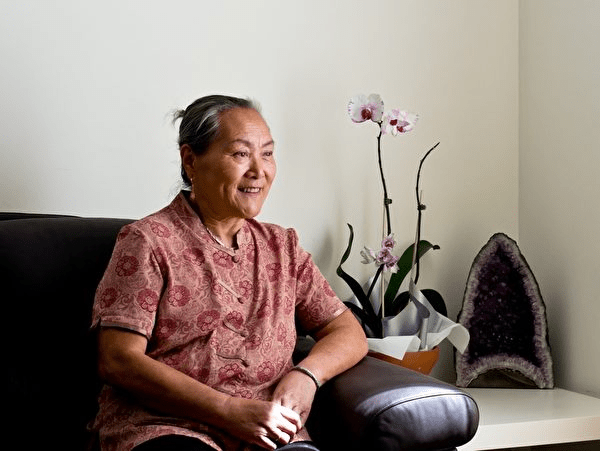
陳琪著
一、我的大儿子
我的大儿子(JOHN LAM)是个体弱有哮喘的孩子。其实,他除了哮喘也没有其他别的病。佣人珍姐一直细心的照顾他,不许他吃生冷的食物,天气变化也更注意他的衣着。
尽管这样,天气如果有变化还是会引发他的哮喘。如果他生气或哭,同样会引发哮喘。因此我们每个人都很迁就他、偏爱他。凡事都把他放在第一位。尽管口头上我发誓我绝不偏爱孩子、全要一样看待,但是,仍然不自觉的会偏爱他。
他读书用功,成绩总是名列前茅,守纪律很得老师的深爱。在小学快要毕业时,他的同班同学都被父母带去报考许多好的学校,希望能够进入一个好的中学。而他,却因为成绩优异而直接升入喇沙中学。这是全年级学生个个都期望的目标。要知道能够进入喇沙小学已经就够幸运了,再能够直接升入喇沙中学确实需要凭自身的真正成绩说话。因为,喇沙中学收的是全香港最优秀的男孩子。
可是,因为他经常发哮喘,常常半夜三更去九龙医院急救。医生希望我能带他离开香港,因为香港的空气质量太差,不适合有哮喘症孩子生存。万般无奈,我只能带着孩子离开香港,移民澳大利亚。
他来到澳大利亚读中学,立即突显出他的优异成绩来。获得很多奖励。一次是全学校的优秀桨,并获得狮子会颁发的奖学金:一次是数学前十五名的奖状。报考大学时又以优异成绩考入西澳大利亚大学医科,为此获得奖状。
来到澳大利亚后,不像在香港,没有了繁重的家庭作业,又经常游泳、骑自行车,空气又好,居住环境也比以前大大改善。所以,他哮喘也很少发作了,人也高大强壮多了。
在香港时,因为常常哮喘,气管收缩呼吸不畅因此脾气差,还不时也会欺负弟妹,而弟弟妹妹也因为他生病会谦让一些。现在,他身体比以前大大改善,很少哮喘,气也顺畅了,他已经变成一个脾气温顺,爱护弟妹的好哥哥了。也成为弟弟妹妹的好榜样。
现在,他常常说,“妈眯,以前我常常犯病,你为我的病总是找好的儿科专科医生看病,家里每个月的一半生活费就花在为我看医生的医疗费上。我将来一定要当一个医生,把以前付给医生的医疗费赚回来,还给你。”他真的做到了,以最优秀的成绩考入了医科大学。
当调皮的弟弟做错了事情,我叫大家坐下来开会时,不用我说话,他已经以大哥哥的身份,对弟弟说,“弟弟是你错了”,只需这样。当弟弟的也会立即说,“我知道了,下次不再这样了”。
他确实是弟弟妹妹尊敬的老大哥。其实,他也仅仅比弟妹大一、二岁。在我们家里,从来未听见我大声斥骂孩子,也没有见过他们兄妹之间有吵架、骂人,连大声说一句重话都没有过,更不用说爆粗口说脏话。
他不但功课好、品德好,很爱整洁,温文儒雅,彬彬有礼,人们都说他有一种学者的风度。但是,他不善辞令,很少开口讲话。当然,更不敢主动去追女孩子。我的一些朋友,都很希望自己的女儿能够和他走到一起。
那时我开餐馆,里面有一位女服务生,周末来餐馆工作。他很喜欢她,却不敢开口。有一天,这位女孩子的父亲问我,“我女儿星期天和你的儿子去打球,你知道吗?”我说,“我知道”。他说,“是和你那个读医科的儿子一起去吗?”
我说,“是呀!”这样,每个星期天的早上,他的女儿和我两个儿子,一个女儿,还有一班朋友一起打球。直到有一天,他发现他女儿手上有一个戒指,以为是我的大儿子送给她的,很是高兴的到我面前问我,“是谁送的?”
到后来,才知道是我小儿子送给她的,他很不高兴,就马上提出请我大儿子去他家为他女儿补习功课,以期增进他们两个人的友谊和增加更多的接触。但是,他的女儿已经深情于我的二儿子,早已两小无猜、情根深种了。
为此我大儿子很失落的对我说,“妈咪,我是不是很没用,没有一样比得过弟弟,所有的女孩子都喜欢他,围着他转,不喜欢我。”我对他讲,“你没有哪样比不过你弟弟,除了口才,你学习成绩好,又以优异成绩考入医科大学,也比你弟弟更斯文英俊,只是你弟弟更活泼、口才好,嘴甜舌滑,更容易讨得女孩子喜欢,是她们太幼稚,等她们再大些,就会知道谁最优秀,现在大家都还小,别急。”
后来,有个女孩子介绍了她的女朋友给我的大儿子,这是他惟一深爱的女孩子“占妮”,他钟情于她,至死不渝。
周末,我的大女儿、小儿子都去餐馆工作,他们知道哥哥读书用功成绩好,都不让哥哥去餐馆工作,留他在家照顾小妹妹。虽然是同母异父的妹妹,但是他们待她却深爱有加。他不但要照顾妹妹,还要照顾另一位餐馆老板的儿子。这两个孩子都很乖很听话,也不用他多操心(后来这个小男孩也是学习出众考入医科做了医生)。
他对我说,“别让小妹妹去餐馆工作,她聪敏,功课很好,将来一定会出人头地,考入好的大学,应该让她留在家里好好读书。”所以,小女儿从来周末没有到餐馆工作过。他从来也不想增加我的负担,他考入医科后,我要送他一辆轿车,作为我对他考入 医科的奖励,让他任选轿车牌子。结果,他选了一辆最便宜的轿车,我要他选一辆好的贵些的新车,他不肯,只要那辆最便宜的轿车。
为了增加家庭的经济收入,他每个星期有三个晚上去红十字会的血库工作——值班。那三个夜晚,他必须留在血库休息,把电话放在枕边,任何医院电话通知需要的血液,按血型、数量准备好。再由的士司机来取走。这种工作不会耽误睡眠,是专门为医科大学学生提供的工作。
他对于需要动脑筋的游戏很感兴趣,例如扭计方块(注:魔方)他只用一分钟就可以将六面颜色整齐排出。常人一分钟,也就拼出一个面。国际象棋和中国象棋他也都很爱好。有一次这里当地举行国际象棋比赛,一周七天,他早早起床,带上午餐便当,乘巴士赶到赛场,赛后晚上再乘巴士返还。整整七天可够辛苦的,最后他如愿以偿,捧回了冠军的奖座。
医科大学要修六年,每年都会有一些学生不达标而被踢出医科,转读其他专业科目。一、二、三年级他都顺利通过。第四年级末,也是学生最难过的一关,同时也是踢出学生最多的一关,通过这一关后,升至五年级、六年级就不会再淘汰了,也就是可以顺利毕业做个医生。但是,这一年他发现自己患白血球过多——血癌。
遭此突然的打击,他情绪低落,心神不定压力很大。我亲自去和校长谈话,校长知道情况以后,再去查看他的成绩后对我说,“不用担心,希望他好好医治,他就是不用考试也会过关的。”我回到家里宽慰他,希望他多休息保养身体不要太用功看书,告诉他考不考都没有关系。
毕竟患的是白血病,压力大身体弱,结果这次考试出现他第一次的失败。校长知道后,又安排他重考,他打起精神去继续考试。而我在家里心神不定的等待他的考试结果,看到他回来,当我一打开家门,他扑到我身上抱住我泪流满面叫我,“妈咪!我考的很好,顺利通过升五年级了,所有难关我都过了,以后我可以当医生啦!”
但是,他的血癌病的主治医生要为他做“骨髓移植”术。我对大儿子说,“你妈妈我从小到大每次验血的报告上都写着白血球过多,当时在中国也没法医治,医生也不知道什么原因,看看你妈妈还不是活的好好的,你不用担心。”
主治医生给我们全家每个人都检查验血。血型全一样相同。我的小儿子的配型完全相合。我的血液中有肝炎抗体,我告诉医生,当时中国吃不饱,营养不良,班级里有过大半的学生肝肿大,眼珠发黄,后来我到香港生活改善营养也好就转变成阳性抗体。我们班级有好几个患肺结核的,后来不少同学被传染,我的肺上就发现有钙化点,是怎么传染又是怎么好的,全然不知道。
当时我在美轮酒店洗碗,我只有不工作留在家里。这里的美轮酒店其中有一个经理以前就是在吉隆坡美轮担任经理时和我签约在美轮唱歌的经理。他发现我在PERTH美轮酒店洗碗,简直令他不敢相信是我。而我告诉他我不再工作了,他说,“我就知道你会做不长的。一个歌星怎么会去洗碗。”
我告诉他,“我来PERTH 已经在厨房呆了十八年了,我从来没有觉得苦,什么工作对我都是一样,再苦也苦不过在大陆政治上抬不起头,不知道会在哪一场政治运动中倒下,来澳洗碗不算什么!”
医生用X射线把他本身的骨髓细胞全部杀死,再抽取我小儿子的健康骨髓细胞输入他的身体。他在隔离病房观察,每天我小儿子和大女儿要不断的抽血和抽血小板供他需要。
那时,我的小儿子和大女儿每天面色都是苍白的。大儿子的女朋友每天守候在病房外面陪伴他。隔着玻璃为他打气鼓励他,给予他无限的爱。还在手工编织他的毛线衣。我就每天晚上都睡在隔离病房外面的沙发上。一个一个夜晚的等待他康复。
本来,这是一个万无一失的手术,却因为一个小疏忽——X射线手术的人没有完全把他的骨髓细胞杀光——结果造成新生的骨髓细胞全是不健康的细胞,铸成致命的失误,他的生命因此而结束。
他在临终前要我发誓不哭、不许自杀!我对他发誓绝不哭,也绝不自杀。他安慰我说,“妈眯!你看到我病房里面那些绿色的小人吗?他们是从另一个星球来的人,是来接我去他们的星球医治。医治好我以后,他们会再送我回来的。”
我失去了这个世界上最宝贵最宝贵的儿子!又有谁知道,那种忍住泪水、忍住扎心的痛楚,真不知道会是什么滋味! 当我一个人开车的时候,才是我情绪发泄的时候。我高声叫他,“JOHN,JOHN,回来吧,妈咪等着你回来,等着他们送你回来!”
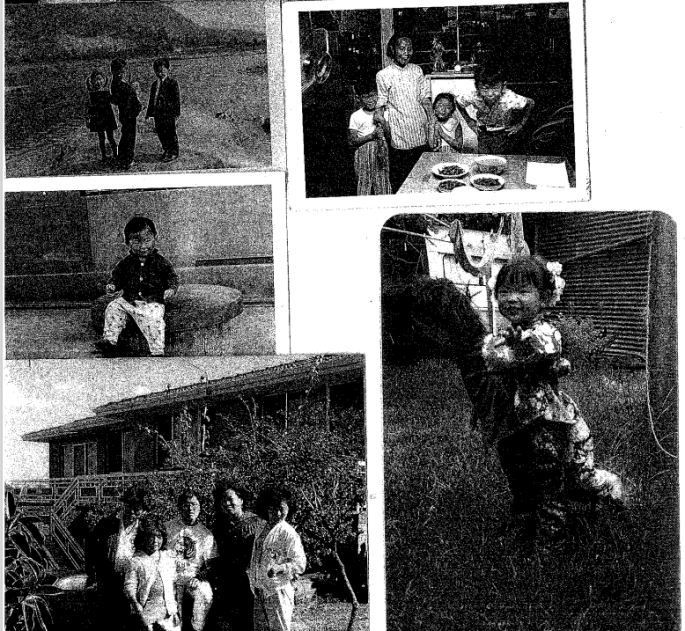
二、我的大女儿
我的大女儿( LISA LAM)是个温和没有脾气的乖女孩。她小时候特别胆小怕事,连说话也不敢大声讲。从来不敢当众发表自己的意见(哪怕她不同意、不喜欢,也不敢说出来)。
她读书不太聪明,但是她会用十分的努力去补充它。因此学习成绩还是很好的。因为成绩好,还跳了一级。所以她和哥哥同时小学毕业。她是用双倍的勤奋和努力,才能在班上拿到好成绩的。当然她与她哥哥比那就相差很多了。例如数学的乘法表,她总是每天勤力的背诵,可是他哥哥就说我一句也不用去背诵,光每天听她背,我就听会了。
因为她跳了一级,所以在班上她年龄最小,而且人也长得很是瘦小。排队总是排在最前面。同学和老师也都很是爱护她喜欢她。她的哥哥和弟弟小时候都长相特别的英俊可爱。每次走在大街上或是乘车坐在巴士上,人们都会夸奖“这个男孩子好漂亮啊!那个男孩子好可爱啊!”只是并没有人赞扬她,所以她很是自卑,认为自己很丑,也不可爱。
其实她很美,只不过没有哥哥弟弟那么出色。随着时间的推移,渐渐的长大,她越来越美丽了,出落成为人见人爱的美女。有一次,我们同乘飞机时,遇到国泰航空公司的经理,他见她英文、中文及法文都好,人又漂亮建议她去考空姐。并拿出报名表让她填表。她只好说,“我的身高不够。差2吋”,那位经理竟直对她说,“没关系,只要你填表交来就可以了”。她左思右想最后还是没有交表。她说,“我身高不够,谁见了都会认为我是开后门进去的。我还是好好读书,充实自己吧。”
在香港孩子们一直都是由珍姐照看他们。不需要他们做任何事情。可是,到了澳大利亚后,他们必须学会做所有的家务活,洗碗、抹桌子、打扫房间,她还要学会洗衣服、晒收衣服,照顾小BABY妹妹,给她喂奶,换尿布,哄她睡觉等等。
我女儿她知道我在餐馆工作时间长,工作辛苦,所以她就默默的承担这些工作,从来没有怨言。这个小妹妹可以说就是她一手带大的。因此两姐妹的感情非常好。到周末她还要到餐馆工作,周末的照顾小妹妹工作就由哥哥接替她。她在餐馆工作又快又好,态度和蔼、笑容满面的接待每个顾客。顾客也都很喜欢她,因此,餐馆老板就更欢迎她来。
到暑假,她就背上行李到老板的另外一家海边的餐馆去工作。一个暑假都是整天工作,到暑假结束她才背着行李回家,还要交上整个暑假打工的工资给我。我当然不会花他们挣的每一分钱。把攒下的钱,全部投资到房产上,写上他们的名字。
她喜欢音乐也喜欢古典舞蹈,她跳的“凌波仙子”舞,连我都要称赞她的舞也美人也美。她要我教她弹古筝。我教过那么多学生,只要学生上第一堂课,我就可以从他弹的筝音里知道他们的性格、天资,是否能够学好古筝。我就对她说,“你天分不高,学不好古筝的。”
她却坚决要学,我也只好教她。她就是用勤奋补足她的天分,每天不断的练习不断的弹奏,终于学会了弹奏古筝。她能弹奏一些古典筝曲,不过因为天资问题也只能到此为止。很难以提升突破了。但是她的勤奋精神,还是很令我钦佩。
当她决定做一件事情后,她会全力以赴,不达目的誓不罢休,而每一样工作她都会不断学习不断充实自己,永远不肯落在他人之后。她独立了、坚强了。在以后的事业上也闯出一番天地,再也不是以前那个胆小怕事,不敢说话的小姑娘。
她关心家庭里的每一个人。帮助弟弟,帮助妹妹,义不容辞。她很少发脾气,这是我愿意和她生活在一起的原因。我已经渐渐老了行动不便,眼睛不好,耳朵不灵。她义无反顾的照顾我孝顺我,忍耐我的唠叨,忍耐我的懵懂。可惜啊,老天爷没有给她一个好丈夫,这也许就是命吧?
她独自一个人要照顾一个孩子,还要照顾我,又要去工作。我们三人生活在一起。她一早起身就要为孩子忙早餐,还要准备孩子上学的中餐、校服及书包这些都要准备好,也要给自己准备中餐,才能去上班。而我就去送孩子上学,再负责接孩子放学,预备当天的晚餐。让她安心去工作,也让我体现到我是老而不废、有所是事。
她的孩子很听话,每天在我身边,也不会令我感到寂寞,反而有无穷的乐趣。我那四个小孙子,因为年龄相仿,也还是玩得到一起。每星期都在我身边绕来绕去,看到他们快乐地在一起,也觉得此生无憾了!
三、我的小儿子
我的小儿子(ALEX LAM)从小就是一个小调皮。他活泼好动,身体强健。除了有少许哮喘,很少生病。“是一个有天才没勤奋的人”,这是我经常批评他的一句话。
他很有音乐天分,只要是他喜欢的,让他听过这首音乐,他可以立即在钢琴上弹出来。但是,他一点音乐知识都没有,也不愿意去学习。连1234567 都不知道。我可不知道他怎么可以把这首曲子在钢琴上给弹出来的。只能说他是摸出来的吧。
他画画也很好,他为他心爱的的女朋友面过一幅油画,真的很像也很传神。但是,要他去学画,他却又没有耐心去学。所以我常常说他,“有天才没有勤奋的人”,白白浪费了这份天才!
他很勤劳,从小家里的事情他总是抢着去做,可是他在学校里读书却不感兴趣。喇沙小学的学生个个成绩好,这令他很是自卑。每次考试以后发成绩单,他拿回来总是学佣人珍姐的话,“番息佬看榜今次考第五名。”(因为中国人看榜时排名次是由右向左看,而外国人相反,是从左向右看的,外国人眼中的第五名,也就是中国人的倒数第五名)
他每年的成绩单总是倒数第几,而他还宽慰自己“还有几位不如我”。我的大儿子从来不用请补习老师,一直功课很好,大女儿也只有在小学毕业前,想考入好的中学才请补习老师。但是ALEX却从小学一年级就一直请补习老师督促他做功课。补习老师一来,他立刻躲进厕所,说在大便不肯出来或者把家课书丢到床底下,说没有家课。补习老师也拿他没有办法。
虽然他不喜欢读书功课成绩差,但是,他社会知识、眉头眼额却非常了解。不用人教口才极好,每每谈笑风生,令群体的环境和每个人都欢乐无穷。这也是为什么女孩子都喜欢他的原因。他不自私为朋友他可以两肋插刀,在所不计。他很顾家也很节省,不乱花钱,但是朋友有需要他总是倾囊相助(这也是我只给他很少的零花钱的缘故)。
他有个朋友向银行借钱,银行要求提供担保人签字才肯借款,他就爽快的签名担保了。结果要我去替他朋友连本带利的还给银行。他们依然还是朋友。凡有需要他帮忙的,他还是能帮的他帮,不能帮的他还是去帮。
他到澳大利亚时刚好十岁,他就开始在周末去餐馆打工。那一年他哥哥也刚考入大学。每到周末去餐馆工作三天,才拿到四十五元。其中除去自己五元留作零花钱,其余四十元给他哥哥用。因为他哥哥住在医学院宿舍,各方面用顶多。
他并不去想我辛辛苦苦工作挣的钱,干嘛非给哥哥那么多钱,而是心甘情愿开开心心的交给哥哥,这方面却令我非常感动。他真是一个毫不自私的懂得兄弟情谊的好孩子。
记得,他每周周末去“美而廉”餐馆工作时,他对老板说他十八岁。可是,三年以后,他开了个十八岁生日的派对。老板奇怪的问他,“三年前你说你十八岁,这过去了三年,你现在怎么还是十八岁?”ALEX对他笑着说,“其实我那个时候才十五岁。因为不想拿半工资所以谎报我十八岁,现在才是真正的十八岁。”老板也通情达理的和他说,“我可是看人做事给工资的,一直以来你干活勤快,完全够资格拿金额工资的。”
他的人缘极好,才十九岁就已经当上副经理了。从服务生到厨师、老板都是他的好朋友。他不但经理工作做得出色,到厨房去也能大显他的厨艺。至今,他仍然是一家之“煮”,逢年过节就是他大显身手的时候。
他有一段时间去香港工作,任职经理。对于外国旅游来找工作的年轻人,他很照顾,关心他们教导他们如何应对工作。而对于香港本地的职员也是个个关系很好。上上下下都能打成一片。他对我说,“我到香港工作以后,才知道在香港的同事眼中我是多么的‘鬼’,而在PERTH我是100%的中国人。”
其实,在香港的那段工作经历,也让他增加很多社会阅历及工作经验。但是,他同时也慢慢感觉到他和香港杜会已经逐渐拉开一段距离了。他已经适应了澳大利亚的生活,只有在澳大利亚他才能如鱼得水,他的“鬼”性,已经根深蒂固的扎在澳大利亚了,他只有离开他的故乡——香港。
还有一次,他去香港回PERTH时,随便的把WENDY的小儿子一起带回来。ALEX的一班朋友问我,“ALEX什么时候回来?”我告诉他们,“ALEX这个星期六回来,他一个人去,两个人回来。”结果他的一班朋友以为ALEX一定是带一个女朋友或是未婚妻回来。
他们想了一个计划,好好开ALEX一个玩笑。决定全部到机场去接机,并让具中一个的妹妹打扮得漂漂亮亮的,要她一见到ALEX立即给他一个热吻,好让他的那一位吃醋。等到ALEX一出闸,见到大帮的朋友都来接他,他大吃一惊,惊讶的问他们,“怎么回事?为什么这么多人来机场接我?”
这些朋友一看,ALEX身边并没有什么女朋友,只看见是一位六岁的小男孩。那真是一时尴尬,随后大家哈哈大笑,都笑弯了腰。都说,“我们都被你妈妈愚弄了。”ALEX笑着说,“我妈妈也没有说错啊,我确实是一个人去,两个人回来啊。是你们想歪了。”ALEX是个孩子王,他很欢喜孩子,WENDY的孩子和他仅仅相处两天,就早已把他当成亲人了,只肯跟ALEX不肯和他妈妈在一起,吵着要ALEX。
他从香港回来后不久,他就去了墨尔本。在那里建立了他自己的生意。虽然工作很辛苦,但是他很是勤励。我也很是佩服他的拼搏和闯劲,竟然能够在很短时间里奠定事业基础、立好自己的脚跟。
三个儿女都成了家,也都有了各自的孩子,一起回到了PERTH ,有人介绍他去大公司做会计。我们都知道他是个活泼好动坐不住的人,他真的能在办公室里坐上八个小时吗?我们每个人都不看好他。我说,“最多一个星期,他就坐不住啦。”大女儿说,“我想最多他能够坚持一个月吧。”小女儿说,“我看给他三个月时间。”
事实是我们都错了。他担任会计工作一直延至今日。最近,他在某金矿总公司做会计,后来澳洲老板退出,因为有中国的投资,所以他还要担任翻译,大约是因为公司和投资者之间有些问题,公司裁去一部分会计,却留下ALEX让他负责整个会计部门工作。而ALEX不想对不起那些被踢出去的会计同事,更不想担负那么大的责任,只有自己炒自己的“鱿鱼”,干脆不干了。
其实,他工作那么多年下来,经济基础已经很好,就是不工作,仅仅靠收租已经够开销了,他的妻子也不愿意他再工作,“你都快五十岁了,不工作也罢。”但是他是个闲不住的人,觉得待在家里好无聊,仍然要去工作。
当他知道哥哥患病,需要换骨髓,他很心甘情愿的捐出他的骨髓,手术中他又不停的捐出血液和血小板。他痛心地说,“为什么病的是哥哥?我情愿病的是我,哥哥那么优秀那么出众,我不如他,应该让我得这个病,而不应该是哥哥啊!”
期间,在收取血小板的护士工作不负责,把血回流给他时,因为速度太快,令ALEX头疼得大叫起来,差点出事故很是危险。事后他却一点不在意,只求哥哥的病快点好。他对家庭的每一个人都是那么好,总是把别人放在前面,而把自己放在后面,他是个心地善良的好儿子。
自从他爱上我们餐馆的那位女服务生后,他情根深种,后来被对方的父亲硬生生的拆开。我知道他心里一直都深爱她,情心不变,深埋心底。可我却无能为力。后来很多女孩子围在他身边,让有些人认为ALEX是个花花公子、遍地留情的大众情人。但是我却完全明白他心里的那个人,是永远挥之不去的。
直到他过三十后结婚也是无奈之举,他的朋友们个个都已结婚了,年晚尖堆,人有我有罢了。其实,他这个太太一直多年深爱他,人也长得好漂亮,过日子也很勤俭。至今仍然是她,相信将来白头到老时仍然会是这位太太。
他从小就不把金钱放在眼里。每次工作出了粮,就全数交给我,只留下少少的零用钱,大约90%都是交给我。有时那10%用不完还会把多余的也交给我。当然,我不会用他的钱,把钱全部都投资到房产上,房产是用的他的名字。
等他结婚以后,所有的收入全数都是交给他太太,一切收支全部由他太太去打理。他的太太是一位勤俭持家的好手,比我更节省。他们只有一个女儿,那可是他们的掌上明珠。
四、我的小女儿
我的小女儿MARSHA 一出生就很聪明、活泼好动,是家里的小公主。她的哥哥姐姐都十分喜爱她,她要什么就会给她什么,哥哥姐姐从来没有拒绝过。她从小就知道大小便应该去痰盂上坐下。她不会走、不会说。要有大小便就会发出“嗯、嗯”的声音。每个人都知道她要大小便了,就会抱她放在痰盂上坐下,让她大小便。
她才十个月大就会走路了,以后,她就会自己走去连着裤子坐在痰孟上大小便,然后再把湿的裤子脱下。所以她很小就已经不用尿布了。她特别喜欢咬人,哥哥姐姐都是她咬人的对象。有一次才刚刚学会走路,她还不会说话,就去隔壁的士多店去,伸出小手叫“嗯嗯”,店主见到这么小的小家伙向他伸手,就拿出一块糖给她。
至此以后她每天都走过去向士多店主要糖吃。至有一天我看到她手上拿着一包糖果回来,我才知道她是每天都去店里拿糖吃。我只好去士多店谢谢店主并且告诉他我要付钱给他。店主说,“不用给我钱,是别的顾客看她喜欢,买给她的,一角钱一包,你不用给我钱。”
这以后经常会有顾客多付一角,买一包糖给她。我也禁止不了她,一看不住她就会走过去要糖吃。她身体健康从不生病,也不挑食。因为是姐姐一手把她带大的,所以待姐姐也很好。
有一次,一个儿童化妆比赛的集会有二百多个孩子去参加比赛。我为她做了一套哑子背疯的服装去参加比赛。让每个妈妈都奇怪:这个小女孩怎么可以背着一个人跑来跑去,又跳又唱呢?其实,是做一个假人绑在前面(穿绿衣服),后面再绑一个假人的后半身(穿红裤子)。而她自己穿绿裤子和红衣服。给人看起来像是一个穿绿衣服的人背着一个穿红衣服的女孩子在那里蹦蹦跳跳玩耍。所有的家长都一起说,“她一定会得到冠军”。果不其然,最终她获得了冠军!那时她才刚刚两岁。
她爱好学习,所以她对颜色、数字和英文字全部会。我想她既然什么都会,何不报大一岁,去直接读一年级。所以她从来没有进过幼稚园,直接上学一年级。而且一年级的成绩也优异。念小学到中学她的英文都是A+。她从来不会拼错一个英文字母。因为比同班同学小一岁,有别人问她几岁,她会告诉说,“我在家是五岁,在学校我是六岁”。在任何地方只要见到英文字,她就能够马上正确的拼读出来,绝不会发错音。她特别喜欢看书,所以她从小就喜欢去书店买书。
她喜欢一个女士ENIO BLYTON 写的一套儿童读物。由第一本一直到后,她收集了整套她的儿童故事书。每天晚上7 :30见到电视机里的FAT CAT 说,“GOOD NIGHT!”她马上也会向我们说,“GOOD NIGHT!”就自动的拿一本书上床睡觉。公仔书、翻翻画……直到现在,她还是上床先拿一本书看,她一直都是很喜欢看书。
她每次成绩单上英文都是A+,和她的大哥哥一样成绩优异。但是,她比她大哥哥鬼马,比大哥哥醒。所以对人、对事却和她小哥哥一样,看风使舵,见人讲人话,见鬼讲鬼话。
她始终在哥哥姐姐的呵护下成长。哥哥姐姐想把她从小就送进PERTH COLLEGE私立女子学校去读书,将来可以出人头地。但是,她父亲不答应。她哥哥姐姐齐声说,“又不用你出钱,我们会赚钱让她读私校。”她父亲坚决不肯,只好作罢。她从小就与父亲感情不好,是在哥哥姐姐身边长大。知道父亲死亡消息,她没有流过一滴泪。但是当得知哥哥去世时,她却痛哭流涕,悲痛万分。
小时候哥哥姐姐待她,都是好脾气,从未有人对她大声说话,又样样顺着她,所以,她也是一个好脾气的人。等她长大了独立了,社会压力大了,自己的家庭压力也大了,就突显了她的脾气暴躁,这是她父亲留给她的劣根性。
她升中学以后,因为家离得很近,家里又开餐馆,所以家里汽水一箱一箱的任她喝,方便面也是一箱一箱的, PIEX SAUSAGE ROLLS一盒一盒的随便她吃。所以到放学以后,同学们都随意的来我家吃吃喝喝的。因此她在学校就成为一个很受大家欢迎的人。她们班上一位男同学也住在我们同一条街非常近。
他是一个非常英俊斯文的小男生。他们一起上学也一起放学,我们家每天都少不了他的身影,他们家的聚会也少不了我的小女儿出现。他们家早已把她当成家庭成员之一。但是却被同学们笑坏了。因为在澳洲孩子长大到十三岁后已经找不到处男处女了,可是他们中学毕业以后,仍然都是处男处友。怎能不让同学们笑话他们呢?
我是一个开通的妈妈,并不是一个严厉封建的妈。孩子们嫁谁娶谁我是绝不干涉的。这位男孩子的父母也很喜欢我的小女儿。但是,他们相恋八年了,终于有一天,男孩告诉我小女儿,“现在我才知道我需要什么,我有了男朋友了。”原来这个男孩他在一个男人对他好时才明白自己是个同性恋者。于是我的小女儿很生气很失望,痛苦的离开PERTH 去墨尔本找她姐姐去了。
她去了墨尔本一面帮助姐姐的生意(出入口生意),一面继续她的大学求学生涯。她修业传播系,因为她英语好,写的文章也好,台湾的“中国时报(CHINA TIME)”请她去工作,虽然写的英文稿件,但是,因为她出生在澳大利亚,不会中文,也不会讲国语,她只会讲广东话,文章中遇到专用名词,她就只好打上括号,留待别人填上中文字。
当时台湾每个巴士站只有中文站名,没有英文站名。很多时候她都不知道应该哪个站下车。上餐馆也只有中文餐名没有英文的餐名,她也不知道叫什么吃好。所以她必须首先学好国语。
很快她就能说和听懂国语了。在台湾她和一个英国女孩子和一个韩国女孩子同住,这两个都是学中文的,所以会中文。反而是她就是一个中国女孩不会中文。
有一次她想写一篇关于她的外祖父断头将军(我的父亲)的抗日故事。我教她去忠烈嗣查找,那里有你的外祖父的中文、英文对照的事迹介绍。那里有他的照片、牌位。名字叫“陈中柱”。而她连陈中柱三个字都不会写,还得请英国、韩国女孩帮助她写陈中柱、忠烈嗣几个字来,她才能前去找到陈中柱的名字,再看过英文事迹介绍。回来以后发表了一份英文的关于外祖父断头将军陈中柱的抗日事迹。
接着她转到英国伦敦报社去工作,在那里她认识了由新西兰至伦敦工作的现丈夫。俩人一起在伦敦工作。又一起回到澳大利亚,安定下来就结婚。现在有了孩子,她选择了商业广告的生意,因为她文章写得好,很多客户都满意她写的广告内容,因为这种工作在家里也能够做,所以她一直在家里写广告,再发给客户,同时,她也能接送丈夫上下班、两个孩子上学和放学、烹调饭菜和家务。今年( 2014年)她应学校要求再次进入大学深造。
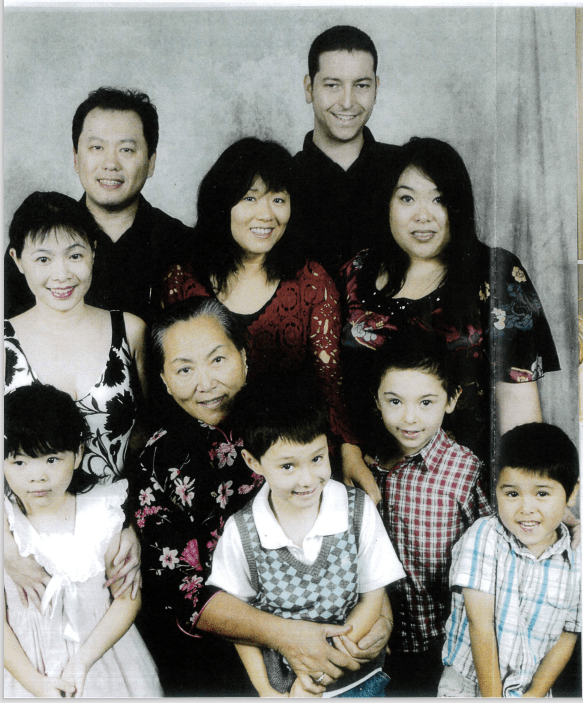
想做事業的
只能是小團體
大團體只能做企業
以盈利為主導
人人都只是螺絲釘
我的終極目標
就是幫助孩子做成事業
一代即可不考慮傳承
想要傳承那是他們的事
闺蜜们总跟我探讨
孩子将来做什么职业好
我说做老板这个职业最好
我让大儿教妹妹如何洗衣服做午餐
帮助监督妹妹如何按时收干净碗
这些技能你将来做老板都能用上
我不断对大儿讲这个道理他明白
我還對十四歲的大兒說
男人需要的兩件事是
力量與耐心
缺一不可
我给八岁女儿的职业规划是
读完十年级去学一个点心师
我给人职业起点选择的建议是
如果有自己热爱的行业
就选那个无论赚多少钱
如果没有自己所热爱的行业
那就选一个力所能及赚最多钱的
永远要记得这只是一个职业起点
千万不要用职业终点的标准去衡量

 陳旭@perth