
Bitcoin is surging. This is why it may not last

March 6, 2024 — 8.59am
Stephen Bartholomeusz
Senior business columnist
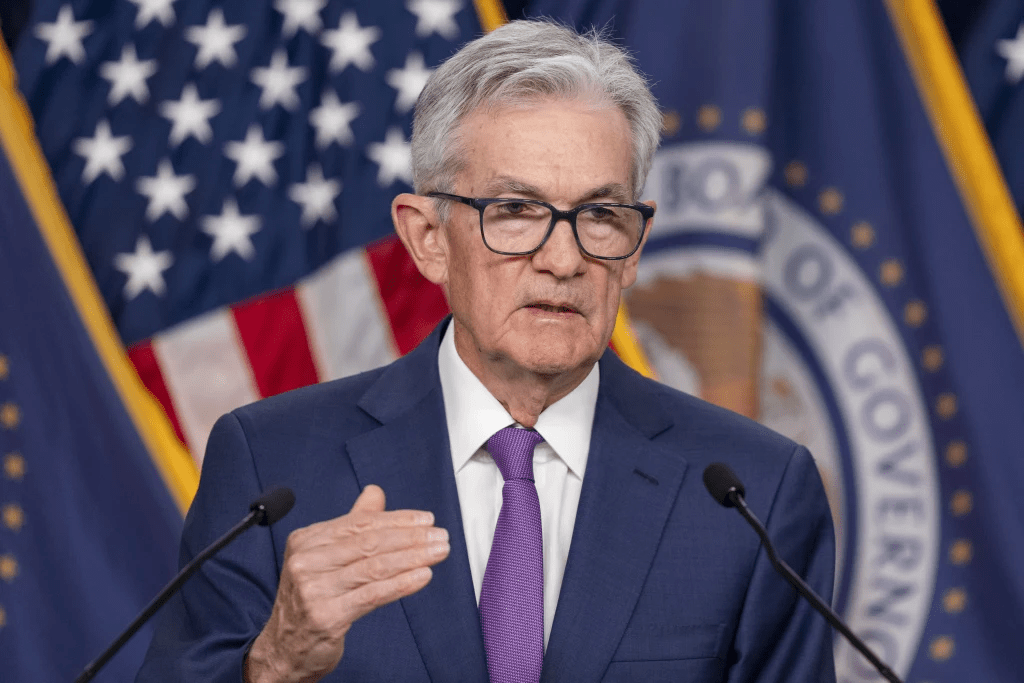
Amid a big surge to record levels and wild gyrations, bitcoin is back in mainstream consciousness. Whether or not that lasts may be dependent on what the US Federal Reserve does or doesn’t do this year.
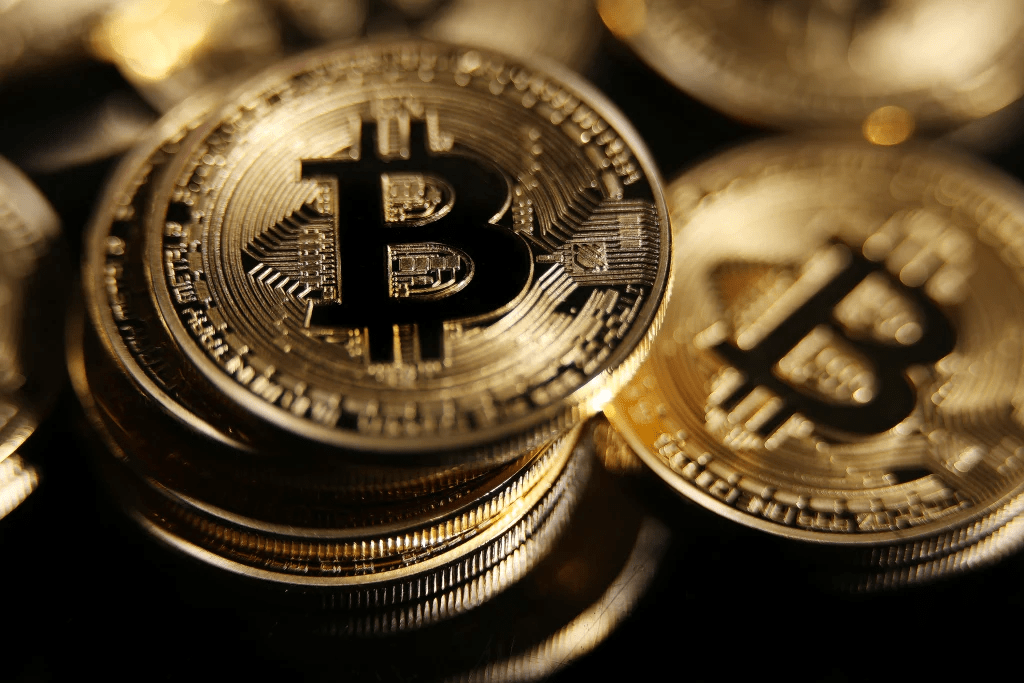
Overnight, bitcoin briefly topped $US69,000 ($106,000) before tumbling back to around $US64,000. At its peak, the cryptocurrency had soared nearly 80 per cent in the past year and more than 300 per cent from its recent nadir in November 2022.
There are some crypto-specific factors in the resurgence of the flagship for crypto assets, the most significant of which has been the US Securities and Exchange Commission’s begrudging decision to approve the spot trading of bitcoins by exchange-traded funds (ETFs) in January.
That approval came after a court ruling last August that the commission had improperly denied an application from an asset manager to create a bitcoin ETF.
It was that judgement that rekindled the market for bitcoin and which has seen the market capitalisation of crypto assets double, from about $US1.2 trillion before the ruling to around $US2.4 trillion this week.
The ETFs have attracted about $US15 billion of inflows in two months, with major asset managers like BlackRock involved. That’s given bitcoin a tinge of mainstream credibility it previously didn’t have, and one which looked impossible when, after peaking at almost $US3 trillion in 2022, the crypto market crashed amid a wave of collapses and scandals. Bitcoin was trading below $US16,000 in late November of that year.
The other crypto-related influence over recent bitcoin prices has been the imminent “halving” of the number of coins that can be “mined,” an event that occurs every four years and which restricts the volume of new coins available to the market.
With new sources of demand created by the ETFs, which make it simpler and less risky for investors to trade bitcoins than the complex, cumbersome and demonstrably risky system of digital wallets and intermediaries with questionable credentials, the halving will tighten supply.
The introduction of the ETFs and the halving, which will occur next month, are, however, the micro influences on bitcoin’s price. The more powerful macro influence is the direction of US interest rates.
It is no coincidence that the tanking of bitcoin’s price, and those of crypto assets more generally, occurred during a period when the Fed was ratcheting up US interest rates, and with its quantitative tightening (allowing bonds and mortgages it acquired during the pandemic to mature without investing the proceeds), tightening US financial conditions.
The slump in the value of crypto assets roughly coincided with the start of the Fed’s rate-hiking cycle in March 2022. Eleven rate rises that took the federal funds rate from effectively zero to 5.5 per cent over about 15 months batter all risk assets, not just crypto assets. The US sharemarket fell more than 20 per cent in the months after the Fed’s first move.
Perhaps because the crypto ecosystem was mired in collapses and controversies through the back half of 2022 – the collapse of TerraUSD, the collapse of FTX and the arrests of Sam Bankman-Fried and Binance’s founder and chief executive Changpeng Zhao among them – crypto prices started moving much later than the sharemarket, which started to rebound from mid-October 2022.
That rebound was turbocharged by the launch of ChatGPT in November of that year, which ignited feverish trading of stocks with artificial intelligence exposures and drove the sharemarket to record levels this year.
The sharemarket’s surge, however, wasn’t just driven by AI or the big tech stocks but by a conviction that the Fed would start cutting interest rates this year, with the bond market at one point early in the year pricing in as many as six 25-basis-point reductions.
That optimism took a hit at the end of January when, after a Fed meeting, it became apparent that, rather than the March cut that some had anticipated, the central bank’s commentary probably ruled out any change in policy until mid-year at the earliest.
Despite that, investors in risk assets remained convinced that rates would start to fall and fall quite materially this year.
Weak economic data for February released over the past few days – data perceived to have strengthened the case for rate cuts – was a major factor in the ebullient performance of bitcoin on Tuesday, which contrasted with the performance of the sharemarket, which fell as the data suggested the prospect of a soft landing for the US economy might be receding.
Sharemarket investors have been pricing in the perfect outcome of interest rates falling even as the US economy continues to grow solidly. The latest data raises a question mark over whether they can have both.
Bitcoin is, on the spectrum of risk assets, at the riskiest end and, with significant leverage underlying its trading, highly leveraged to changes in the risk environment. On Tuesday, the environment was very much one of “risk on.”
That underscores bitcoin’s role as a vehicle for pure speculation. It has no intrinsic value. It isn’t any sort of medium for exchange (except, perhaps, for illegal activity). It is, however, an asset that provides a way to make leveraged bets on a risk environment that is being driven by expectations of what the Fed may or may not do in the relatively near future.
It is notable that, year-to-date, the NYFANG index, which includes all the big tech companies and has been boosted by the frenzy over AI, is up just under 12 per cent. Bitcoin is up more than 50 per cent. That’s leverage!
While the market for bitcoin has been structurally changed by the introduction of the ETFs, which brings with it a degree of institutionalisation of the market, it is the macro settings and what happens to US interest rates in future that will determine whether its surge continues or whether it falls back into the boom and bust cycles that have characterised its past.
The volatility of trading on Tuesday and early Wednesday – up about 6 per cent and then down nearly 8 per cent against the 2.3 per cent fall in the rate-sensitive big tech stocks – does tend to signal, however, that it will remain among the most volatile and riskiest of risk assets.
在比特币大幅飙升至创纪录水平并出现剧烈波动的背景下,比特币重新成为主流意识。这种情况能否持续,可能取决于美国联邦储备委员会今年做什么或不做什么。
一夜之间,比特币曾短暂突破 69,000 美元(约合 106,000 美元),随后又跌回 64,000 美元左右。在最高点时,比特币在过去一年中飙升了近80%,与2022年11月的最低点相比飙升了300%以上。
加密资产旗舰重新崛起有一些加密货币特有的因素,其中最重要的是美国证券交易委员会在1月份勉强决定批准交易所交易基金(ETF)进行比特币现货交易。
这一批准是在去年8月法院做出裁决之后做出的,当时法院认为美国证券交易委员会不当地拒绝了一家资产管理公司创建比特币ETF的申请。
正是这一判决重新点燃了比特币市场,使加密资产的市值翻了一番,从判决前的约1.2万亿美元增至本周的约2.4万亿美元。
ETF 在两个月内吸引了约 150 亿美元的资金流入,贝莱德(BlackRock)等大型资产管理公司也参与其中。比特币在2022年达到近3万亿美元的峰值后,在崩溃和丑闻的浪潮中崩溃了。当年 11 月底,比特币的交易价格低于 16000 美元。
对近期比特币价格产生影响的另一个与加密货币相关的因素是可 “开采 “的比特币数量即将 “减半”,这一事件每四年发生一次,限制了市场上新比特币的数量。
ETF 为投资者创造了新的需求来源,与复杂、繁琐且风险明显较高的数字钱包和资质可疑的中介机构系统相比,ETF 让比特币交易变得更简单、风险更低。
然而,ETF 的推出和下个月的减半只是比特币价格的微观影响因素。更强大的宏观影响是美国利率的走向。
比特币价格的暴跌,以及更普遍的加密资产价格的暴跌,都发生在美联储提高美国利率,并实行量化紧缩政策(允许美联储在大流行病期间收购的债券和抵押贷款到期,而不将收益用于投资),收紧美国金融条件的时期,这绝非巧合。
加密资产价值的下滑与美联储 2022 年 3 月加息周期的开始时间大致吻合。在大约 15 个月的时间里,联邦基金利率从实际上的零升至 5.5%,这 11 次加息打击了所有风险资产,而不仅仅是加密资产。在美联储首次加息后的几个月里,美国股市下跌了 20% 以上。
也许是因为加密货币生态系统在2022年下半年一直深陷崩溃和争议之中–其中包括TerraUSD的崩溃、FTX的崩溃以及山姆-班克曼-弗里德和Binance创始人兼首席执行官赵长鹏的被捕–加密货币价格的走势要比股票市场晚得多,后者从2022年10月中旬开始反弹。
同年 11 月推出的 ChatGPT 为这一反弹提供了动力,点燃了人工智能股票的交易热潮,并推动股票市场在今年达到创纪录的水平。
然而,股票市场的飙升并不仅仅是由人工智能或大型科技股推动的,而是由于人们相信美联储将在今年开始降息,年初债券市场一度将降息幅度定为多达六次,每次25个基点。
这种乐观情绪在 1 月底受到打击,因为在美联储会议之后,人们发现央行的评论可能最早要到年中才会改变政策,而不是一些人预期的 3 月份降息。
尽管如此,风险资产投资者仍然相信,利率将在今年开始下降,而且下降幅度相当大。
过去几天公布的 2 月份经济数据疲软–这些数据被认为加强了降息的理由–是比特币周二表现活跃的一个主要因素,这与股票市场的表现形成了鲜明对比,后者因数据表明美国经济软着陆的前景可能正在消退而下跌。
股票市场投资者一直在为利率下降的完美结果定价,即使美国经济继续稳健增长。最新的数据让人们对他们能否两者兼得打上了问号。
在风险资产中,比特币处于风险最高的一端,而且由于比特币交易的杠杆作用,比特币对风险环境变化的影响非常大。本周二的环境在很大程度上是 “风险开启”。
这凸显了比特币作为纯粹投机工具的作用。它没有内在价值。它不是任何形式的交换媒介(也许,非法活动除外)。然而,它是一种资产,提供了一种在风险环境中进行杠杆押注的方式,而这种风险环境是由对美联储在相对较近的将来可能做什么或不做什么的预期所驱动的。
值得注意的是,今年迄今为止,包括所有大型科技公司在内的纽约方正指数(NYFANG)在人工智能热潮的推动下仅上涨了不到12%。比特币的涨幅则超过了 50%。这就是杠杆作用!
虽然比特币市场已经因 ETF 的引入而发生了结构性变化,带来了一定程度的市场制度化,但宏观环境和美国利率未来的走势将决定比特币是继续飙升,还是重回过去的繁荣和萧条循环。
然而,周二和周三早些时候的交易波动–上涨约 6%,然后下跌近 8%,而对利率敏感的大型科技股则下跌 2.3%–确实表明,它仍将是波动最大、风险最高的风险资产之一。

 陳旭@perth