但《华尔街日报》(The Wall Street Journal)的一项调查显示,情报专家之间对报告应包含哪些内容的分歧比公众所知的更为严重。并非只有FBI的科学家们认为国家情报委员会的评估没有说明全部情况。
五角大楼国防情报局(Defense Intelligence Agency)下属国家医学情报中心(National Center for Medical Intelligence)的三位科学家进行了一项科学研究,得出结论认为新冠病毒是在一次高风险的研究工作中被实验室改造过的。但这一分析与他们的上级机构国防情报局的评估不符,因此没有被纳入提交给拜登的报告。
当时,有关新冠病毒起源的问题正令科学界产生分歧。争论归结为两种主要的理论。人畜共患病理论认为,新冠病毒像之前的其他致命病原体一样,从受感染的动物身上传播给了人类,这可能是由中国广泛的野生动物买卖活动造成的。另一种是“实验室泄漏论”,这种观点认为新冠病毒是从研究机构外泄出来的,比如从事冠状病毒研究的武汉病毒研究所(Wuhan Institute of Virology)。
2020年3月,斯克里普斯研究所(Scripps Research Institute)的安德森(Kristian Andersen)和其他四位科学家发表了一篇关于新冠病毒“近端起源”的论文,他们在论文中辩称,新冠病毒并非在实验室中被“故意修改出来的”,几乎可以肯定它有自然起源。
但实验室泄漏论已经赢得信任。北卡罗来纳大学(University of North Carolina)教授巴里克(Ralph Baric)今年早些时候对国会表示,武汉病毒研究所对蝙蝠病毒进行研究的程序是“不负责任的”,因为该研究所的实验室在保存生物制剂方面防护不当。巴里克曾与武汉病毒研究所的蝙蝠冠状病毒专家石正丽一起在冠状病毒方面做过开创性的工作。
基恩毕业于伦敦卫生与热带医学院(London School of Hygiene and Tropical Medicine),拥有传染病建模方面的博士学位,她在90天冲刺行动后不久就离开美国国务院,成为国家情报委员会全球卫生安全主管。在负责大规模杀伤性武器的国家情报官员墨菲(James Murphy)的监督下,该委员会在组织筹划报告方面发挥了核心作用。
但基恩认为,尚不清楚新冠病毒的地理起源,中国西南地区没有病例这一事实无关紧要。基恩现在是美国疾病控制与预防中心(The Centers for Disease Control and Prevention, 简称CDC)的科学家,她还辩称,中国没有有效的监测网络来发现农村地区的此类疫情。FBI的专家们也对这一论点提出质疑。这使得双方在新冠病毒如何出现的这一最基本问题上存在很大分歧。
班南现已从FBI退休并担任顾问,他一直保持低调。在国会经常出现的关于新冠病毒起源的党派辩论中,他没有出现在一连串的证人行列中。作证的人士包括美国国家过敏症和传染病研究所(National Institute of Allergy and Infectious Diseases)前所长福奇(Anthony Fauci),他表示仍相信新冠病毒更有可能源于自然。福奇否认曾将实验室泄漏论称为阴谋论,并表示不能排除这种情况。
On Monday a friend told me, almost in passing, that she was leaving her “miserable marriage”. I didn’t know there was anything especially miserable about it, although I’d always thought she was way more fun, interesting and smart than her frankly quite boring husband. Having been stuck with him for several hours at a friend’s wedding, I’d often wondered since how she put up with him. But, who knows, he probably felt the same about me. I couldn’t say I saw it coming then, but I honestly wasn’t surprised. After all, she’s not the first to announce imminent divorce. She’s not even the second or the third. She is, in fact, about the 15th woman I know in their mid-40s to late-50s who has turned around in the past few years and said . . . Is this it? Really? For the next 30-odd years? No thanks. Let’s be clear, these are not, on the whole, women in so-called bad marriages, although I’m inclined to think that “bad” is in the eye of the person who has to lie next to it in bed every night. They are not, on the whole, having affairs. and they have not, again on the whole, been cheated on. They are not all suddenly freed up by the kids leaving home, even. They have just tired of the daily grind of “acting the wife”, as my aforementioned friend put it which, even in 2024, seems to entail far too much slaving away on behalf of others and not nearly enough appreciation for it. The first of my friends to leave her husband turned out to be the advance guard. She and her partner had been together for more than 20 years, had four children and, despite them both being in full-time work for most of those two decades, she had divided herself between the professional and the domestic. Which meant everything else — a social life, an inner life, her health, friendships, everything — went by the board. Like so many heterosexual women in traditional marriages (even if you think it’s not going to be traditional when you start out, that you’re different, that you will never put up with that patriarchal nonsense), the effort was almost all hers. Well, more than 90 per cent at least. If she wasn’t doing this domestic chore or that family errand, she was arranging for someone else to do it. If a ball dropped, no one else would pick it up. My friend’s partner — charming, funny, a “good dad”, definitely “one of the good guys” — carried on looking after his job, while she looked after her job and five other people’s lives. Doubtless, he absolutely would have collected the children from school if one of them got sick, but he was at work. It didn’t occur to either of them that so was she. There’s nothing standout about this story. Just as there’s nothing standout about his shock when told she wanted a divorce, nor about the familial recriminations directed at her for “giving up on their marriage so easily” (although interestingly none came from the children who were like, “well, yeah, of course”). Nor was there anything unusual about the assumption that she must have found someone else — because why else would she leave? Why would anyone pull the plug if they didn’t have another bed to jump straight into? (For the record, she hadn’t.) This is a relatively new thing. In part, it’s about economics and women earning their own money, albeit often not a lot of it. It’s about privilege. Many people who would love to leave relationships ranging from lacklustre to downright terrifying simply can’t afford to. And it’s about social mores. It’s about women waking up one morning or slowly, over the course of years, coming to, and realising they have had enough. You don’t have to look very far back — or even at all — to stumble on the old trope of the man who gets successful in his chosen field and dumps his first wife (the one he’s often been with since school or college, who he’s had children with, who has invariably subverted her wishes for his) for a younger glitzier model more befitting his new highflying status. Recently, I was speaking to author Emily Howes, about her latest novel, Mrs Dickens, which takes as its inspiration Charles Dickens’ much overlooked first wife, Kate. The woman who bore their ten children and then found herself shamed for “letting herself go”. Chances are you don’t know anything about Kate other than that the celebrated author dumped her, because it was a time-honoured rite of passage, almost. First wife dies/ages/ gets boring/loses her looks/all of the above, man moves on. I’m not saying that never happens any more. Of course it does — all the time. But it feels like there’s a sea change happening. and a lot of men (not all men, obviously) don’t like it. They like things the way they were. Because the truth is, heterosexual marriage works better for men than for women.
Jack and Amy Bell have been on a never-ending road trip with their three kids for five years now.
And the Queensland family-of-five have no plans to stop travelling anytime soon.
So far, Amy and Jack have clocked up more than 150,000km in their caravan exploring every part of Australia with daughter Elsie, 7, and sons Henry, 5, and Ralph, 3.
To fund their permanent holiday, Amy, 30, and Jack, 31, sold their home and kept an investment property as a “back-up plan”.
Over the years, the family have sustained their adventures by running a full-time shopfitting business along the way.
Jack takes care of the tools, while Amy manages the office side of things while homeschooling the kids on the road.
“Living on the road turned out to be more affordable for us than having a fixed home,” Amy tells 7Life.
Prior to travelling, Jack worked full-time as a shopfitter while Amy was a teacher’s aide.
The couple decided to hit the road and explore their own backyard because they wanted a break from their busy lives.
“We had been managing a mortgage since we were 18, a full house renovation, working full-time, getting married, and raising two children. It was time for us to enjoy some quality family time after years of hard work,” she says.
The pair sold the Gold Coast property they had renovated and used the funds to purchase a caravan.
“We also kept an investment property in Brisbane as a back-up plan,” Amy says.
The family quickly discovered living on the road was much more affordable for them than having a fixed address.
“As we work and travel, we pick up opportunities for work all across Australia,” Amy explains.
“Instead of Jack needing separate accommodation for work, we all travel together in our caravan — eliminating the need for a mortgage payment.
“This new way of life has opened up incredible possibilities for our family.”
Over the past five years, the family has travelled more than 150,000km — exploring every state in Australia multiple times.
However, the couple says downsizing to a smaller space was challenging at first.
“Downsizing to a caravan took some time to get used to, especially with young children and spending so much time together as a couple,” she says.
“After we completed our lap of Australia, we decided to upgrade our set-up to live on the road permanently.
“We now have an Isuzu truck that is divided into two sections.
“One side is equipped with all the tools needed for our shopfitting jobs, while the other side is set up for travel, complete with a fridge, drop-down kitchen, and plenty of fun stuff for the kids.
“We also upgraded our caravan to a spacious 23ft Lotus, which handles off-road adventures like a dream.
“One thing Jack struggled to give up was his boat. With the truck, we have the option to carry a decent-sized boat on top.”
Amy says fishing and exploring in the boat have become integral parts of the family’s travel experience and they “couldn’t imagine travelling without it”.
“Downsizing to a caravan has changed our perspective on life,” she says.
“We have realised how little we actually need. When we eventually settle down, we plan to opt for a smaller property that requires less cleaning and maintenance.”
When it comes to budgeting, Amy says it can be a challenge as their weeks vary greatly.
“Some weeks, we are focused on work and spend minimally, while other weeks involve long drives and stops to explore along the way,” she says.
While there are challenges on the road, the family have found ways to overcome them.
One of the hardest parts was not being close to their loved ones.
“Missing family is one challenge but they often visit us, making those reunions extra special. Technology has also been a great help, allowing us to FaceTime and stay connected,” Amy says.
“Managing appointments can be a challenge, but with Telehealth we have weekly Zoom appointments.”
What makes the challenges worth it is being able to wake up to a new location every day.
“Whether it’s an ocean view or mountains, there’s always something new for the kids to explore and have fun with,” Amy says.
A typical day for the family starts with coffee, getting the kids ready and then an hour of homeschooling.
“The kids like to make their own breakfast and then get dressed,” she says.
“We enjoy some TV, have breakfast, and then dive into homeschooling.”
Once school is over, the family pack their bags and head off in the truck or boat to explore.
“We have lunch packed in the truck fridge, so we’re always prepared for wherever the day takes us,” Amy says.
If they have work to do, Jack leaves early and Amy and the kids take the morning at a slower pace.
Amy usually takes care of household tasks such as cleaning, cooking, and gathering content for their social media while the kids often play with friends or head to a swimming pool.
The family have no plans to stop travelling around Australia any time soon and says the past five years have “flown by”.
“We still have many more adventures ahead of us, but we also have a few remote places on our bucket list that we’re excited to visit,” Amy says.
Next on the family’s list is to explore Western Australia in more detail.
“It’s the state where we’ve spent the least amount of time, but it’s also the largest,” she says.
The couple already have an investment property renovation project lined up in Perth over Christmas, which they are looking forward to.
By sharing their story, the family hopes others are inspired to follow suit.
“Our advice to families considering a travel adventure is simple: just go for it,” Amy says.
“The timing will never feel perfect to leave behind the normalcy of everyday life, but the memories and experiences will be worth it.
“Don’t over plan and instead enjoy wherever the open road takes you.”
Six years ago I celebrated my 68th birthday by gifting my children 68 bits of advice I wished I had gotten when I was their age. Every birthday after that I added more bits of advice for them until I had a whole book of bits. That book was published a year ago as Excellent Advice for Living, which many people tell me they read very slowly, just one bit per day. In a few days I will turn 73, so again on my birthday, I offer an additional set of 101 bits of advice I wished I had known earlier. None of these appear in the book; they are all new. If you enjoy these, or find they resonate with your own experience, there are 460 more bits in my Excellent Advice book, all neatly bound between hard covers, in a handy size, ready to gift to a person younger than yourself. – KK
• Try to define yourself by what you love and embrace, rather than what you hate and refuse.
• 盡量用你熱愛和擁抱的東西來定義自己,而不是你恨和拒絕的東西。
• Read a lot of history so you can understand how weird the past was; that way you will be comfortable with how weird the future will be.
• 多閱讀一些歷史,這樣你就能了解過去是多麼的奇怪,這樣你就會對未來的奇怪感到放鬆。
• To make a room luxurious, remove things, rather than add things.
• 要讓房間豪華,不要添加東西,而是移走東西。
• Interview your parents while they are still alive. Keep asking questions while you record. You’ll learn amazing things. Or hire someone to make their story into an oral history, or documentary, or book. This will be a tremendous gift to them and to your family.
• If you think someone is normal, you don’t know them very well. Normalcy is a fiction. Your job is to discover their weird genius.
• 如果你認為某人很正常,那你就不太了解他們了。正常只是一種虛構。你的工作是發現他們奇怪的天賦。
• When shopping for anything physical (souvenirs, furniture, books, tools, shoes, equipment), ask yourself: where will this go? Don’t buy it unless there is a place it can live. Something may need to leave in order for something else to come in.
• You owe everyone a second chance, but not a third.
• 每個人都應該得到第二次機會,但不是第三次。
• When someone texts you they are running late, double the time they give you. If they say they’ll be there in 5, make that 10; if 10, it’ll be 20; if 20, count on 40.
• Multitasking is a myth. Don’t text while walking, running, biking or driving. Nobody will miss you if you just stop for a minute.
• 多工作能力是一種謬論。走路、跑步、騎車或開車時不要發簡訊。即使你暫時停下來,也沒人會錯過你。
• You can become the world’s best in something primarily by caring more about it than anyone else.
• 你可以透過比任何人都更關心某件事來成為這方面的世界第一。
• Asking “what-if?” about your past is a waste of time; asking “what-if?” about your future is tremendously productive.
• 追問過去的”如果”是在浪費時間,追問未來的”如果”非常有成效。
• Try to make the kind of art and things that will inspire others to make art and things.
• 努力創作出能激發其他人創作的藝術品和東西。
• Once a month take a different route home, enter your house by a different door, and sit in a different chair at dinner. No ruts.
• 每個月都要改變一次回家的路線,從不同的門進入房子,並在晚餐時坐在不同的椅子上。不要坐穩了腳步。
• Where you live—what city, what country—has more impact on your well being than any other factor. Where you live is one of the few things in your life you can choose and change.
• Every now and then throw a memorable party. The price will be steep, but long afterwards you will remember the party, whereas you won’t remember how much is in your checking account.
• Most arguments are not really about the argument, so most arguments can’t be won by arguing.
• 大多數爭論實際上並不是針對爭論本身,因此大多數爭論都無法透過爭論來贏得勝利。
• The surest way to be successful is to invent your own definition of success. Shoot your arrows first and then paint a bull’s eye around where they land. You’re the winner!
• 成功的最可靠方法是自行定義成功的標準。先射出箭,再在箭射中的地方畫一個靶心。你就是贏家!
• When remodeling a home interior use big pieces of cardboard to mock-up your alterations at life size. Seeing things, such as counters, at actual size will change your plans, and it is so much easier to make modifications with duct tape and scissors.
• There should be at least one thing in your life you enjoy despite being no good at it. This is your play time, which will keep you young. Never apologize for it.
• Changing your mind about important things is not a consequence of stupidity, but a sign of intelligence.
• 改變對重要事物的看法並不是由於愚蠢,而是智慧的表現。
• You have 5 minutes to act on a new idea before it disappears from your mind.
• 你只有 5 分鐘的時間去實踐一個新想法,否則它會從你的腦海中消失。
• What is important is seldom urgent and what is urgent is seldom important. To get the important stuff done, avoid the demands of the urgent.
• 重要的事情往往不緊急,緊急的事情往往不重要。要完成重要的事情,就要避開緊急事物的要求。
• Three situations where you’ll never regret ordering too much: when you are pouring concrete, when you are choosing a battery, and when you are getting ice for a party.
• 在下列三種情況下,你永遠不會後悔訂購過多 : 澆築混凝土時、選購電池時以及為派對採購冰塊時。
• The patience you need for big things, is developed by your patience with the little things.
• 對大事耐心等待的能力,是由對小事耐心堅持培養而來的。
• Don’t fear failure. Fear average.
• 不要害怕失敗,而要害怕平庸。
• When you are stuck or overwhelmed, focus on the smallest possible thing that moves your project forward.
• 當你遇到困難或不知所措時,請專注於推進計劃的最小可能的事情。
• In a museum you need to spend at least 10 minutes with an artwork to truly see it. Aim to view 5 pieces at 10 minutes each rather than 100 at 30 seconds each.
• For steady satisfaction, work on improving your worst days, rather than your best days.
• 為了獲得持久的滿足感,努力改善你最糟糕的日子,而不是你最好的日子。
• Your decisions will become wiser when you consider these three words: “…and then what?” for each choice.
• 當你在考慮每個選擇時,把”…然後呢?”這三個字放在心上,你的決策就會變得更加明智。
• If possible, every room should be constructed to provide light from two sides. Rooms with light from only one side are used less often, so when you have a choice, go with light from two sides.
• When you find yourself procrastinating, don’t resist. Instead lean into it. Procrastinate 100%. Try to do absolutely nothing for 5 minutes. Make it your job. You’ll fail. After 5 minutes, you’ll be ready and eager to work.
• If you want to know how good a surgeon is, don’t ask other doctors. Ask the nurses.
• 如果你想知道一位外科醫生的水平如何,不要問其他醫生,要問護士。
• There is a profound difference between thinking less of yourself (not useful), and thinking of yourself less (better).
• 看低自己(無益)與少思自己(更好)之間存在著深刻的區別。
• Strong opinions, clearly stated, but loosely held is the recipe for an intellectual life. Always ask yourself: what would change my mind?
• 明確陳述強烈的觀點,但也要輕易改變,這是從事智力生活的秘訣。永遠問自己:什麼會改變我的想法?
• You can not truly become yourself, by yourself. Becoming one-of-a-kind is not a solo job. Paradoxically you need everyone else in the world to help make you unique.
• If you need emergency help from a bystander, command them what to do. By giving them an assignment, you transform them from bewildered bystander to a responsible assistant.
• The most common mistake we make is to do a great job on an unimportant task.
• 我們最常犯的錯誤是,在一項不重要的任務上做得很出色。
• Don’t work for a company you would not invest money in, because when you are working you are investing the most valuable thing you have: your time.
• 不要為你不會投資的公司工作,因為當你在工作時,你正在投資最寶貴的東西:你的時間。
• Fail fast. Fail often. Fail forward. Failing is not a disgrace if you keep failing better.
• 快速失敗。經常失敗。向前失敗。如果你持續改進,失敗並不可恥。
• Doing good is its own reward. When you do good, people will question your motive, and any good you accomplish will soon be forgotten. Do good anyway.
• For every success there is a corresponding non-monetary tax of some kind. To maintain success you have to gladly pay these taxes.
• 每一次成功都會有相應的非金錢性的代價。要維持成功,你必須樂於支付這些代價。
• Do not cling to a mistake just because you spent a lot of time making it.
• 不要僅僅因為花了很多時間而堅持錯誤。
• For small tasks the best way to get ready is to do it immediately.
• 對於小任務來說,最好的準備方式就是立即去做。
• If someone is calling you to alert you to fraud, nine out of ten times they are themselves the fraudster. Hang up. Call the source yourself if concerned.
• When you try to accomplish something difficult, surround yourself with friends.
• 當你嘗試完成困難的事情時,應該讓朋友們環繞在你身邊。
• You should be willing to look foolish at first, in order to look like a genius later.
• 你應該願意一開始看起來很愚蠢,從而最終看起來像個天才。
• Think in terms of decades, and act in terms of days.
• 用十年的時間思考,用一天的時間行動。
• The most selfish thing in the world you can do is to be generous. Your generosity will return you ten fold.
• 世界上最自私的事就是大方慷慨。你的慷慨將會帶給你十倍的回報。
• Discover people whom you love doing “nothing” with, and do nothing with them on a regular basis. The longer you can maintain those relationships, the longer you will live.
• 發現你喜歡和誰”無所事事”,並經常與他們無所事事。能夠維持這些關係越長久,你的生命就會越長久。
• Forget diamonds; explore the worlds hidden in pebbles. Seek the things that everyone else ignores.
• 忘掉鑽石吧,探索隱藏在石子中的世界。尋找別人忽視的事物。
• Write your own obituary, the one you’d like to have, and then everyday work towards making it true.
• 給自己寫一份你希望得到的訃文,然後每天努力實現它。
• Avoid making any kind of important decision when you are either hungry, angry, lonely, or tired (HALT). Just halt when you are HALT.
• 當你飢餓、憤怒、孤獨或疲憊(HALT)時,請避免做出任何重要的決定。當你處於 HALT 狀態時,請暫停行動。
• What others want from you is mostly to be seen. Let others know you see them.
• 別人從你這裡要的大多是被看見。讓別人知道你看見了他們。
• Working differently is usually more productive than working harder.
• 不同的工作方式通常比更加努力工作更有成效。
• When you try something new, don’t think of it as a matter of success / failure, but as success / learning to succeed.
• 當你嘗試新事物時,不要把它看作成功/失敗的問題,而是把它看作成功/學習如何成功。
• If you have a good “why” to live for, no “how” will stop you.
• 如果你有一個好的活著的”理由”,沒有任何”方式”能阻止你。
• If you are out of ideas, go for a walk. A good walk empties the mind—and then refills it with new stuff.
• 如果你缺乏靈感,就去散步吧。一次好的散步能讓你的思緒變得清晰,然後再次充滿新的東西。
• The highest form of wealth is deciding you have enough.
• 最高形式的財富是決定你已經擁有足夠的東西。
• Education is overly expensive. Gladly pay for it anyway, because ignorance is even more expensive.
• 教育的費用過於昂貴。不過還是樂意為此付出代價,因為無知的代價更高。
• The cheapest therapy is to spend time with people who make you laugh.
• 最便宜的療程就是花時間和那些能讓你開懷大笑的人在一起。
• Always be radically honest, but use your honesty as a gift not as a weapon. Your honesty should benefit others.
• 永遠要徹底誠實,但要把你的誠實當作一份禮物,而不是武器。你的誠實應該讓別人受益。
• A good sign that you are doing the kind of work you should be doing is that you enjoy the tedious parts that other people find tortuous.
• 一個好的跡象表明你正在做你應該做的工作,那就是你享受別人覺得極其痛苦的瑣碎部分。
• Being envious is a toxin. Instead take joy in the success of others and treat their success as your gain. Celebrating the success of others costs you nothing, and increases the happiness of everyone, including you.
• The more persistent you are, the more chances you get to be lucky.
• 你越堅持,就越有機會走運。
• To tell a good story, you must reveal a surprise; otherwise it is just a report.
• 要講好一個故事,你必須透露一個驚喜,否則就只是報告而已。
• Small steps matter more when you play a long game because a long horizon allows you to compound small advances into quite large achievements.
• 在長期計劃中,小步伐更為重要,因為長遠來看,你可以將微小的進步累積成相當大的成就。
• If you are more fortunate than others, build a longer table rather than a taller fence.
• 如果你比別人更幸運,就多搭建一張長桌,而不是築起更高的圍牆。
• Many fail to finish, but many more fail to start. The hardest work in any work is to start. You can’t finish until you start, so get good at starting.
• Work on your tone. Often ideas are rejected because of the tone of voice they are wrapped in. Humility covers many blemishes.
• 要注意你的言辭。許多想法之所以被拒絕,往往是因為包裹它們的言辭口吻。謙遜可掩蓋許多瑕疵。
• When you are right, you are learning nothing.
• 當你是對的時候,你就什麼也沒有學到。
• Very small things accumulate until they define your larger life. Carefully choose your everyday things.
• 很小的事物會持續累積,直到定義你更大的生活。要小心選擇你的日常事物。
• It is impossible to be curious and furious at the same time, so avoid furious.
• 好奇心和憤怒是不可能同時存在的,所以要避免憤怒。
• College is not about grades. No one cares what grades you got in college. College is about exploring. Just try stuff.
• 大學不在於成績。沒有人在乎你在大學裡拿了什麼成績。大學是為了探索。就去嘗試各種事物吧。
• Weird but true: If you continually give, you will continually have.
• 奇怪但真實:只要你持續給予,你就會持續擁有。
• To clean up your city, sweep your doorstep first.
• 要打掃你的城市,先從掃你家門口開始。
• Decisions like to present themselves as irreversible, like a one-way door. But most deciding points are two-way. Don’t get bogged down by decisions. You can usually back up if needed.
• You’ll never meet a very successful pessimistic person. If you want to be remarkable, get better at being optimistic.
• 你永遠不會遇到一個非常成功的悲觀主義者。如果你想要非凡,就要更擅長樂觀。
• You can’t call it charity unless no one is watching.
• 除非沒人在看,否則你不能稱之為慈善。
• When you think of someone easy to despise—a tyrant, a murderer, a torturer—don’t wish them harm. Wish that they welcome orphans into their home, and share their food with the hungry. Wish them goodness, and by this compassion you will increase your own happiness.
• Get good at being corrected without being offended.
• 要學會在被糾正時不生氣。
• The week between Christmas and New Years was invented to give you the perfect time to sharpen your kitchen knives, vacuum your car, and tidy the folders on your desktop.
• There is no formula for success, but there are two formulas for failure: not trying and not persisting.
• 成功沒有公式,但有兩個失敗的公式:不嘗試和不堅持。
• We tend to overrate the value of intelligence.You need to pair your IQ with other virtues. The most important things in life can not be attained through logic only.
Stepmothers don’t have the best reputation — thanks in no small part to our wicked fairytale counterparts.
And when it comes to being a stepmum, there are no clear rules, very little advice and few good role models.
As a chartered psychologist, I became fascinated by stepfamily dynamics when I moved in with my now-husband, happily hoping to form a family with my two young children and his little boy.
I confess I was shocked to find my new role to be far more difficult than I imagined.
This inspired me to conduct research into the dynamics of blended families and to write a book, How To Be A Happy Stepmum, in a bid to share my observations and findings with other women in my position.
With nearly a third of British households now including stepchildren, we stepmums need all the advice and support we can get!
One concern that frequently crops up is navigating the tricky issue of bonding with your partner’s children.
Get that dynamic wrong and you could be in for a world of pain.
Follow my expert advice, however, and you’ll open the door to wonderfully fulfilling relationships with your partner’s children that will stand the test of time.
TAKING THINGS SLOWLY
Research shows it can take four to seven years for everyone to find their happy place in a blended family — and the children will usually be the last to come around.
You and your partner might have been absolutely sure of your decision to be together from the start, but children will often struggle to understand the feelings between you.
They might be grieving the perceived loss of their previous life or resent the new woman taking their beloved mother’s place. If you go rushing in expecting their full support from the off, you might be waiting a long time.
DON’T EXPECT TO LOVE THEM
It is a common myth that you will automatically love your stepchildren. It’s uncomfortable to admit, but sadly this isn’t the reality.
And don’t expect them to love you, either.
In fact, the best you can hope for is that they like you. Count those little marks of respect and appreciation (“hello” and “thank you”) as a small win.
As you build trust, feelings of mutual love will grow.
DON’T TRY TO BE A ‘SUPER STEP MUM’
If you go overboard with gifts, attention or Stepford Wife-style baking marathons, your efforts are unlikely to be rewarded.
Children expect adults to look after them and rarely show the gratitude step-parents expect.
This can be incredibly demoralising for you, and if you lose heart and stop making any effort at all the children can become very confused by your flip-flopping attentions.
Instead, dial down your efforts and your aspirations.
If the stepchildren are younger, think of yourself as an aunt or godmother figure. If they’re older and you don’t have any parenting experience, think of yourself (initially) as a friend to them.
The last thing any teenager wants is another parent, so try saying: “You have a mum and dad and you have me as well, as an extra person who cares about you.”
Find something to share
Aim to spend a little time with each child individually — just the two of you, without your partner. That might mean watching endless episodes of Dr Who together, taking a regular Saturday morning trip to a coffee shop or making a vegetable patch in the garden.
Creating a regular activity that links you with the child allows you both to gently bond and become at ease with each other.
Children will usually defer to their biological parent but if you are the only adult on hand during these sessions they are likely to be nicer to you, and your relationship should improve.
One bedtime for all
If you’re trying to blend your own children with your partner’s children you must sit down and agree on shared rules and boundaries (bedtimes, control of the TV remote, sitting at the table for meals etc).
There’s nothing more likely to breed resentment than the perception that some are being treated more favourably than others.
DON’T CRITICISE THEIR MOTHER
You might feel jealousy towards the children’s mother, resentful if she doesn’t recognise your involvement or even angry at her perceived failings, but keep all negative feelings to yourself (or between you and your partner).
Quizzing the children about their “other life” can create tension that can put any bond under strain.
They need to feel comfortable, not interrogated. Your job is to provide a safe space where you can grow your relationship with your partner and his children.
SPEND TIME APART
It is understandable to want to throw yourself into family life, but stepfamilies can be stressful to navigate. Try to build some time away to reset your batteries and give yourself back a sense of control.
Just being able to pop out to the gym, grab a coffee with a friend, or sit on your own to read or watch TV can help protect you from becoming overwhelmed.
Without a break, stress levels can mount, leading to resentment that could impact your ability to bond.
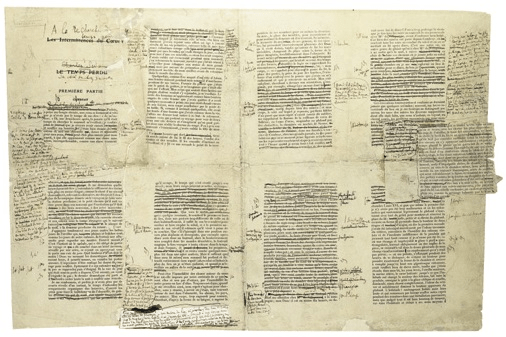
《追憶似水年華》(法語:À la recherche du temps perdu,又譯作《追尋逝去的時光》、《挽回失去的時間》、《追憶似水流年》、《往事追跡錄》,是法國作家馬塞爾·普魯斯特(1871年—1922年)的作品,以其長度及意識流手法而著名。全文共計7卷,分別是:《在斯萬家那邊》《在少女們身旁》《蓋爾芒特家那邊》《索多姆和戈摩爾》《女囚》《女逃亡者》《重現的時光》。
1913年第一部小說《在斯萬家那邊》(Du côté de chez Swann)出版,《新法蘭西評論》的主編兼詩人里維埃爾(Jacques Rivière)大力推薦,引起熱烈的討論,紀德很有風度的承認錯誤,並寫信向普魯斯特致歉。1919年第二部小說《在少女身旁》(À l’ombre des jeunes filles en fleurs)出版,一開始反應平平,但隨後榮獲「龔古爾文學獎」,普魯斯特開始聲名大噪。1921年5月在網球場博物館參觀荷蘭畫展時,普魯斯特突感不適。1922年4月3日《索多姆和戈摩爾》(Sodome et Gomorrhe)第二卷在新法蘭西評論社印畢。同年11月18日普魯斯特與世長辭,所幸這時他的小說已全部完成。1923年《女囚》(La Prisonnière)在新法蘭西評論社出版,1925年《女逃亡者》以及《阿爾貝蒂娜不知去向》出版,1927年出版《過去韶光的重現》(Le Temps retrouvé),至此全書出版。普魯斯特的外祖母酷愛十七世紀法國著名書簡作家塞維尼夫人(Madame Sévigné,1626年—1696年)的書簡。每逢外出旅行時,總要把塞維尼夫人《書簡集》隨身帶走,以便抽空閱讀。第四卷《索多姆和戈摩爾》果然發現了塞維尼夫人的名字。《追憶似水年華》被譽為二十世紀最偉大的小說之一,史蒂芬·黑雨在二十一世紀初將這七巨冊小說改編成漫畫12冊,這是一項艱難的任務。
小說第一卷《在斯萬家那邊》中的第二部分,《斯萬之戀》(Un amour de Swann),常常單獨出版。其主要內容是查爾斯·斯萬和奧黛特·德·克雷西之間的愛情故事。這一部分篇幅較較短、獨立性較強,因此被認爲是初讀《追憶似水年華》最好的選擇,在法國的一些學校中被作為法語課或哲學課的重要閱讀材料來研讀。
The Outsiders is a coming-of-age novel by S.E. Hinton published in 1967 by Viking Press. The book details the conflict between two rival gangs of White Americans divided by their socioeconomic status: the working-class “Greasers” and the upper-middle-class “Socs” (pronounced /ˈsoʊʃɪz/—short for Socials). The story is told in first-person perspective by teenage protagonist Ponyboy Curtis, and takes place in Tulsa, Oklahoma in 1965, although this is never explicitly stated in the book.
Hinton began writing the novel when she was 15 and wrote the bulk of it when she was 16 and a junior in high school. She was 18 when the book was published. She released the work using her initials rather than her feminine given names (Susan Eloise) so that her gender would not lead male book reviewers to dismiss the work.
A film adaptation was produced in 1983 by Francis Ford Coppola, and a short-lived television series appeared in 1990, picking up where the movie left off. A dramatic stage adaptation was written by Christopher Sergel and published in 1990. A stage musical adaptation of the same name will premiere on Broadway in 2024.
Ponyboy Curtis, a fourteen-year-old boy who is a member of a “gang of greasers”, is leaving a movie theater when he is jumped by “Socs”, the greasers’ rival gang. Several greasers, including Ponyboy’s two older brothers—the paternal Darry and the popular Sodapop—come to his rescue. The next night, Ponyboy and two greaser friends, the hardened Dally and the quiet Johnny, meet Cherry and Marcia, a pair of Soc girls, at a drive-in movie theater. Cherry scorns Dally’s rude advances, but Ponyboy speaks civilly with Cherry, emotionally connecting with a Soc for the first time in his life.
Afterward, Ponyboy, Johnny, and their wisecracking friend Two-Bit begin to walk Cherry and Marcia home, when they are stopped by Cherry’s boyfriend Bob, who badly beat up Johnny a few months back. Bob and the greasers exchange taunts, but Cherry prevents a fight by willingly leaving with Bob. Ponyboy gets home at two in the morning, enraging Darry until he suddenly slaps Ponyboy. Pony runs out the door and meets up with Johnny, expressing his anger at Darry’s increasing coldness in the wake of his parents’ recent deaths in a car crash.
Running away from home, Ponyboy and Johnny wander into a park, where Bob and four other Socs surround them. After some heated talk, Ponyboy spits at the Socs, prompting them to attempt to drown him in a nearby fountain, but Johnny stabs Bob, killing him and dispersing the rest. Terrified as to what to do next, Ponyboy and Johnny rush to find Dally, who gives them money and a loaded firearm, directing them to hide in an abandoned church in Windrixville. During their stay there, Pony cuts and dyes his hair as a disguise, reads Gone with the Wind to Johnny, and, upon viewing a beautiful sunrise, recites the poem “Nothing Gold Can Stay” by Robert Frost.
Days later, Dally comes to check on them, revealing that violence between the greasers and Socs has escalated since Bob’s death into all-out city-wide warfare, with Cherry acting out of guilt as a spy for the greasers. Johnny decides to turn himself in and Dally agrees to take the boys back home. As they attempt to leave, they notice the church has caught fire and several local schoolchildren have become trapped inside. The greasers run inside the burning church to save the children, but Ponyboy is rendered unconscious by the fumes. At the hospital he discovers that he and Dally are not badly injured, but a piece of the church roof fell on Johnny and broke his back. Sodapop and Darry come to the hospital; Darry breaks down and cries. Ponyboy then realizes that Darry cares about him, and is only hard on him because he loves him and cares about his future.
The following morning the newspapers declare Pony and Johnny heroes, but Johnny will be charged with manslaughter for Bob’s death. Two-Bit tells them that the greaser–Soc rivalry is to be settled in a final rumble. Ponyboy and Two-Bit are approached by a Soc named Randy, Bob’s best friend, who expresses remorse for his involvement in the gang war, lacks confidence about the rumble ending the feud, and says he will not participate.
Later, Ponyboy visits Johnny at the hospital, where he is in critical condition. On their way home, Pony spots Cherry and they talk. Cherry says she is unwilling to visit Johnny in the hospital because he killed her boyfriend. Pony calls her a traitor, but after she explains herself they end on good terms. After escaping the hospital, Dally shows up just in time for the rumble. The greasers win the fight. Afterward, Pony and Dally hurry back to the hospital to see Johnny, but he dies moments later and a maniacal Dally runs out of the room. Pony returns home that night feeling confused and disoriented. Dally calls the house to say that he has robbed a store and is running from the police. The greasers find Dally deliberately pointing an unloaded firearm at the police, causing them to shoot and kill him. Overwhelmed, Ponyboy faints and is sick in bed for many days due to the resulting concussion from the rumble. When the hearing finally comes, the judge frees Ponyboy from responsibility for Bob’s death and allows Pony to remain at home with Darry and Sodapop.
Ponyboy returns to school, but his grades drop. Although he is failing English, his teacher, Mr. Syme, says he will pass him if he writes a decent theme. In the copy of Gone with the Wind that Johnny gave him before dying, Ponyboy finds a letter from Johnny describing how he will die proudly after saving the kids from the fire. Johnny also urges Ponyboy to “stay gold”. Ponyboy decides to write his English assignment about the recent events, and begins his essay with the opening line of the novel: “When I stepped out into the bright sunlight from the darkness of the movie house, I had only two things on my mind: Paul Newman and a ride home”.
It’s the opening line in Anna Karenina, isn’t it, the one about happy families being the same and unhappy ones being unhappy in their own way? Because it’s Tolstoy, and he presumably knew about such things, I’ll let it pass, though it occurs to me that what families are in their own way is weird. Perhaps happy or unhappy, but decidedly weird.
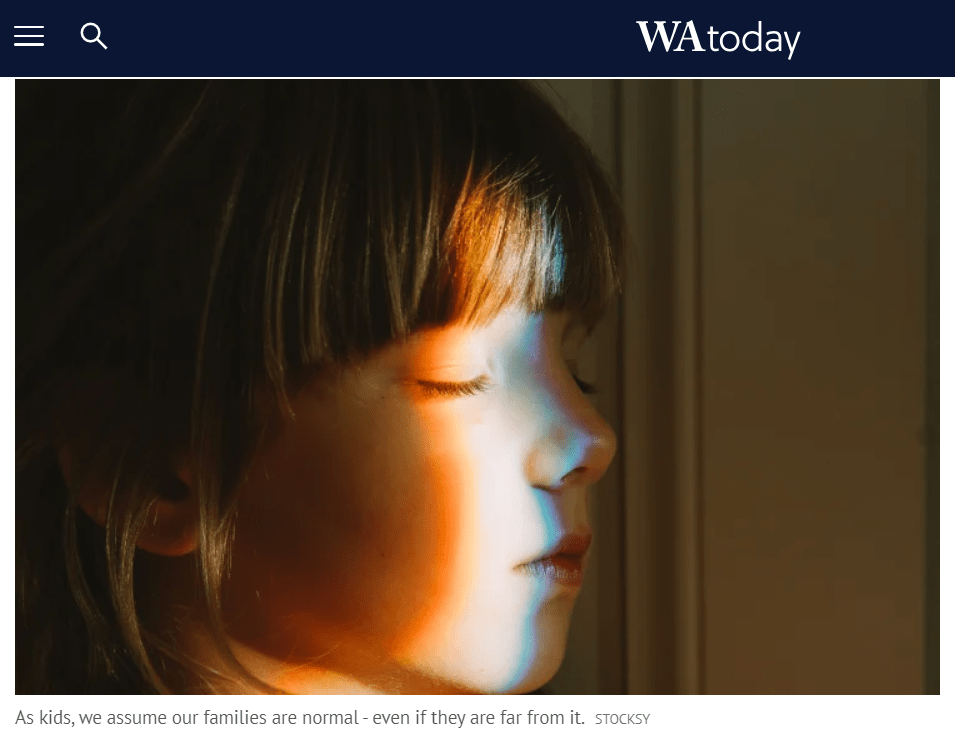
As kids, we assume that our family is the standard, for that’s what we see. After all, we end up talking the way they do, having their social and fiscal ideas, dealing with stress or drink or the law in pretty much the same way they do. So it’s but a little jump to thinking that such behaviour is normal, no matter how peculiar that behaviour might be.
We observe strangeness in other people and in their families. God knows, I saw a fair bit of it when I was a kid. But perhaps because we have so little experience of the world, we don’t register it as weirdness at the time and don’t come to that assessment until we’re older.
Part of the cast during my childhood were my mother’s three aunts, who lived together in a 12-room house not far from our farm. Aunt Trace was a widow, though I never learnt more about her husband than that he had been a pharmacist (this created endless room for speculation as to the cause of his death); Aunt Gert and Aunt Mad had never married. These three women lived in perfect harmony in the house, and by the time I was old enough to visit them they no longer worked – if, in fact, they ever had.
They played cards, specifically bridge. Their days were filled with cards, as were their evenings. They had a circle of women friends with whom they played.
Because they went to church on Sunday, they did not play bridge on Sunday, not unless the church had a bridge evening. And Gert cheated. My mother delighted in telling me about this, since Gert was a pillar of the church. Over the years, she had developed a language of dithering and hesitation that was as clear a signal to her partner as if she had laid her cards face up on the table. “Oh, I think I’ll just risk one heart.” “I wonder if I dare raise that bid to two clubs?”
Since I never played bridge, I can’t decode these messages; it was enough for us to know that she cheated. The stakes were perhaps, after four hours of play, a dollar. But she cheated. She also gave thousands of dollars to charity every year and was wonderfully generous with every member of a large and generally thankless family, but cheat she would.
She gave thousands of dollars to charity every year and was wonderfully generous with every member of a large and thankless family, but cheat she would.
I remember little things about Gert. She always put the flowers in the refrigerator at night so they would last longer; she telephoned and complained to the parents of any child who stepped on her grass; she always wore a hat when leaving the house.
Towards the end of her life, after Mad and Trace had died, she was left alone in the 12-room house and was eventually persuaded to sell it and move to a mere six rooms. She died soon thereafter and left, in the linen closet, the sheets and towels that had been part of her dowry. Beautiful, hand-embroidered linen and all unused. I still have six table napkins.
My brother, three years older than me, also inherited my mother’s chipper stance towards the world, as well as the almost total lack of ambition that has characterised our lives. And he has, to a remarkable degree, what the Italians would call the ability to arrangiarsi, to find a solution, to find a way to get around a problem, to land on his feet.
Nowhere is this better illustrated than in the story of the dirt. His last job, before he retired, was as manager of a complex of about 100 apartments. His job was to administer contracts and rent payments and to see that the buildings were sufficiently well cared for. At a certain point, the owners decided to convert the buildings to gas heating, and that meant the old oil-burning system had to be removed, as well as the storage tank that lay under one of the parking lots.
The demolition men came and took out the furnace, then dug up the tank and removed it. Whereupon arrived the inspectors from the Environmental Protection Agency, declaring that because the tank had sprung a leak sometime in the past and spilled oil into the earth, the dirt that had been piled up around it was both contaminated and sequestered and could not be removed save by paying a special haulage company to take it away.
My brother, long a resident of the town, knew a bit more than the average citizen about the connection between the inspectors and the haulage company because of his hunting buddies, some of whom belonged to an organisation that – hmm, how to express this delicately – worked at some variance to the law. (We’re in New Jersey, Italians, the building trade … get it?) And so he had some suspicions about the actual level of contamination in the dirt.
As fortune would have it, he was about to leave for two weeks’ vacation. And so, the night before he left, he called one of his hunting pals, who just happened to be in the business of supplying landfill to various building projects and just happened to be a member of that same organisation.
My brother explained that he was going to be away for some time and that his friend, whose name he never disclosed to me, was free to come in at any time during the next two weeks and pick up the dirt that surrounded the excavated hole where the tank had been. The only caveat was that the trucks had to be unmarked and had to come at night.
Two weeks later, tanned and fit, he and his wife returned from vacation. As he stepped out of the taxi that had brought them from the airport, he looked about, like a good custodian, at the buildings and grounds that were in his care. Shocked by what he saw, he slapped his hand to his forehead and exclaimed, “My God, they’ve stolen my dirt.” Whereupon he went inside and called the police to report the theft.
The same was to be found on my father’s side of the family, though the suggestion of strangeness was provided by legend rather than witnesses. There was his uncle Raoul, bilingual in Spanish and English, who always answered the phone in heavily accented English and, when he found himself asked for, responded that he was the butler but he would go and enquire “if Meester Leon was libre”.
My father’s Uncle Bill lived in a vast, sprawling mansion about 50 miles north of New York City and often disappeared for short or long periods of time to the various banana republics of South and Central America. The official story was that he was in the coffee trade, so why all those other stories about meeting various heads of state while surrounded by machine-gun-toting guards?
Uncle Bill was married to the painted woman of the family, Aunt Florence, who was not only divorced but Jewish and had married into a Spanish-Irish Catholic family. Further, they had lived together “in sin”, as one said then, before their union was sanctioned by the state, the clergy wanting no part of them.
In the face of these impediments, we were all more than willing to overlook the fact that she bore a frightening resemblance to a horse and was, to boot, significantly less intelligent than one. Her mantra, which she repeated openly whenever we visited, was that a woman must pretend to be stupid so that a man would marry her. My brother and I never saw evidence that she was pretending.
And yes, this comes to me now that I think about them: Henry. Henry was their Japanese cook, a sort of unseen presence who was said to be in the kitchen, though none of us ever laid eyes on him. It is part of family lore that Henry wrote in his will that he left his life savings to the United States. Because no will was found when he died and there was no living relative, he got his wish.
My father’s brother, my uncle, a man of stunning handsomeness in the photos we still have of him, was an officer in the merchant marine. He was rumoured, though neither my brother nor I can recall the source of this rumour, to have been a lover of Isadora Duncan, though I was surely too young to know who she was when I first heard this story.





 陳旭@perth