https://settleinperth.com/wp-content/uploads/2024/03/e99da2e585b7e8838ce5908ee79a84e794b7e5ada9.docx


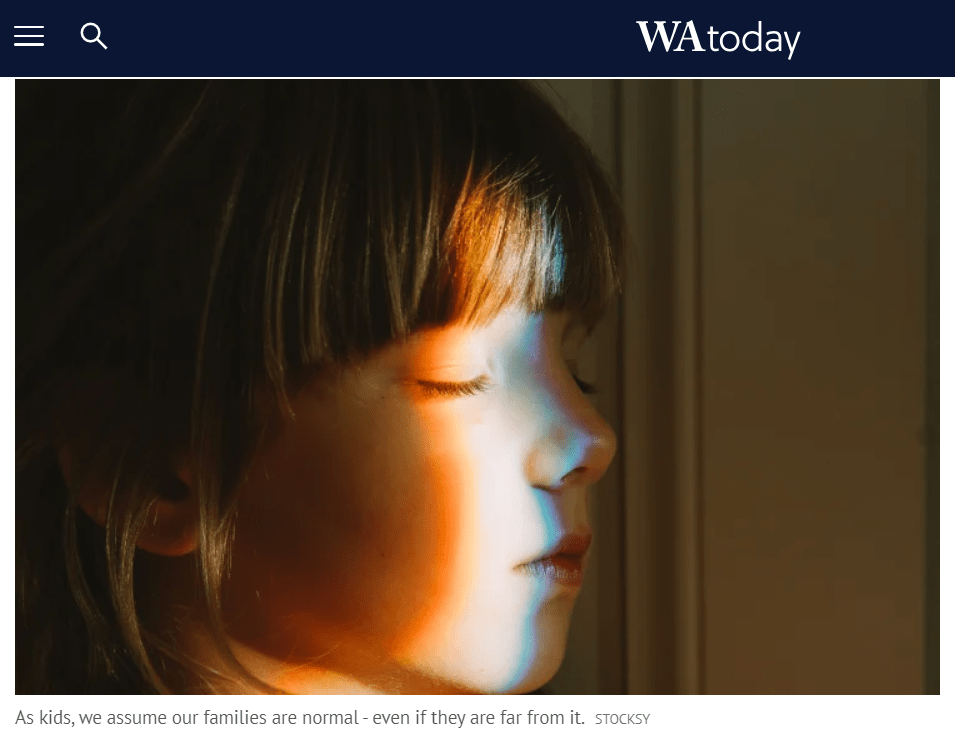
It’s the opening line in Anna Karenina, isn’t it, the one about happy families being the same and unhappy ones being unhappy in their own way? Because it’s Tolstoy, and he presumably knew about such things, I’ll let it pass, though it occurs to me that what families are in their own way is weird. Perhaps happy or unhappy, but decidedly weird.
As kids, we assume that our family is the standard, for that’s what we see. After all, we end up talking the way they do, having their social and fiscal ideas, dealing with stress or drink or the law in pretty much the same way they do. So it’s but a little jump to thinking that such behaviour is normal, no matter how peculiar that behaviour might be.
We observe strangeness in other people and in their families. God knows, I saw a fair bit of it when I was a kid. But perhaps because we have so little experience of the world, we don’t register it as weirdness at the time and don’t come to that assessment until we’re older.
Part of the cast during my childhood were my mother’s three aunts, who lived together in a 12-room house not far from our farm. Aunt Trace was a widow, though I never learnt more about her husband than that he had been a pharmacist (this created endless room for speculation as to the cause of his death); Aunt Gert and Aunt Mad had never married. These three women lived in perfect harmony in the house, and by the time I was old enough to visit them they no longer worked – if, in fact, they ever had.
They played cards, specifically bridge. Their days were filled with cards, as were their evenings. They had a circle of women friends with whom they played.
Because they went to church on Sunday, they did not play bridge on Sunday, not unless the church had a bridge evening. And Gert cheated. My mother delighted in telling me about this, since Gert was a pillar of the church. Over the years, she had developed a language of dithering and hesitation that was as clear a signal to her partner as if she had laid her cards face up on the table. “Oh, I think I’ll just risk one heart.” “I wonder if I dare raise that bid to two clubs?”
Since I never played bridge, I can’t decode these messages; it was enough for us to know that she cheated. The stakes were perhaps, after four hours of play, a dollar. But she cheated. She also gave thousands of dollars to charity every year and was wonderfully generous with every member of a large and generally thankless family, but cheat she would.
She gave thousands of dollars to charity every year and was wonderfully generous with every member of a large and thankless family, but cheat she would.
I remember little things about Gert. She always put the flowers in the refrigerator at night so they would last longer; she telephoned and complained to the parents of any child who stepped on her grass; she always wore a hat when leaving the house.
Towards the end of her life, after Mad and Trace had died, she was left alone in the 12-room house and was eventually persuaded to sell it and move to a mere six rooms. She died soon thereafter and left, in the linen closet, the sheets and towels that had been part of her dowry. Beautiful, hand-embroidered linen and all unused. I still have six table napkins.
My brother, three years older than me, also inherited my mother’s chipper stance towards the world, as well as the almost total lack of ambition that has characterised our lives. And he has, to a remarkable degree, what the Italians would call the ability to arrangiarsi, to find a solution, to find a way to get around a problem, to land on his feet.
Nowhere is this better illustrated than in the story of the dirt. His last job, before he retired, was as manager of a complex of about 100 apartments. His job was to administer contracts and rent payments and to see that the buildings were sufficiently well cared for. At a certain point, the owners decided to convert the buildings to gas heating, and that meant the old oil-burning system had to be removed, as well as the storage tank that lay under one of the parking lots.
The demolition men came and took out the furnace, then dug up the tank and removed it. Whereupon arrived the inspectors from the Environmental Protection Agency, declaring that because the tank had sprung a leak sometime in the past and spilled oil into the earth, the dirt that had been piled up around it was both contaminated and sequestered and could not be removed save by paying a special haulage company to take it away.
My brother, long a resident of the town, knew a bit more than the average citizen about the connection between the inspectors and the haulage company because of his hunting buddies, some of whom belonged to an organisation that – hmm, how to express this delicately – worked at some variance to the law. (We’re in New Jersey, Italians, the building trade … get it?) And so he had some suspicions about the actual level of contamination in the dirt.
As fortune would have it, he was about to leave for two weeks’ vacation. And so, the night before he left, he called one of his hunting pals, who just happened to be in the business of supplying landfill to various building projects and just happened to be a member of that same organisation.
My brother explained that he was going to be away for some time and that his friend, whose name he never disclosed to me, was free to come in at any time during the next two weeks and pick up the dirt that surrounded the excavated hole where the tank had been. The only caveat was that the trucks had to be unmarked and had to come at night.
Two weeks later, tanned and fit, he and his wife returned from vacation. As he stepped out of the taxi that had brought them from the airport, he looked about, like a good custodian, at the buildings and grounds that were in his care. Shocked by what he saw, he slapped his hand to his forehead and exclaimed, “My God, they’ve stolen my dirt.” Whereupon he went inside and called the police to report the theft.
The same was to be found on my father’s side of the family, though the suggestion of strangeness was provided by legend rather than witnesses. There was his uncle Raoul, bilingual in Spanish and English, who always answered the phone in heavily accented English and, when he found himself asked for, responded that he was the butler but he would go and enquire “if Meester Leon was libre”.
My father’s Uncle Bill lived in a vast, sprawling mansion about 50 miles north of New York City and often disappeared for short or long periods of time to the various banana republics of South and Central America. The official story was that he was in the coffee trade, so why all those other stories about meeting various heads of state while surrounded by machine-gun-toting guards?
Uncle Bill was married to the painted woman of the family, Aunt Florence, who was not only divorced but Jewish and had married into a Spanish-Irish Catholic family. Further, they had lived together “in sin”, as one said then, before their union was sanctioned by the state, the clergy wanting no part of them.
In the face of these impediments, we were all more than willing to overlook the fact that she bore a frightening resemblance to a horse and was, to boot, significantly less intelligent than one. Her mantra, which she repeated openly whenever we visited, was that a woman must pretend to be stupid so that a man would marry her. My brother and I never saw evidence that she was pretending.
And yes, this comes to me now that I think about them: Henry. Henry was their Japanese cook, a sort of unseen presence who was said to be in the kitchen, though none of us ever laid eyes on him. It is part of family lore that Henry wrote in his will that he left his life savings to the United States. Because no will was found when he died and there was no living relative, he got his wish.
My father’s brother, my uncle, a man of stunning handsomeness in the photos we still have of him, was an officer in the merchant marine. He was rumoured, though neither my brother nor I can recall the source of this rumour, to have been a lover of Isadora Duncan, though I was surely too young to know who she was when I first heard this story.
Family memories, family mysteries.
这是《安娜-卡列尼娜》中的开场白吧,关于幸福的家庭千篇一律,不幸的家庭各有各的不幸?因为是托尔斯泰写的,而且他应该知道这些事情,所以我就不去想它了,不过我想到,家庭以自己的方式存在是很奇怪的。也许幸福,也许不幸,但绝对是怪异的。
小时候,我们认为自己的家庭就是标准,因为我们看到的就是这样。毕竟,我们最终会以他们的方式交谈,拥有他们的社交和理财观念,以与他们几乎相同的方式处理压力、酗酒或法律问题。因此,无论这种行为多么奇特,我们都会认为这种行为是正常的。
我们在其他人和他们的家庭中观察到奇怪的行为。天知道,我小时候也见过不少。但也许是因为我们对这个世界的体验太少,我们当时并没有把它当作怪事,直到我们长大后才会有这样的评价。
在我的童年时期,我母亲的三个姨妈是我童年生活的一部分,她们一起住在离我们农场不远的一栋有 12 个房间的房子里。特蕾丝姨妈是个寡妇,虽然我从未了解过她丈夫的更多情况,只知道他曾是一名药剂师(这为人们猜测他的死因提供了无尽的空间);格特姨妈和玛德姨妈从未结过婚。这三个女人在家里和睦相处,当我长大到可以去看望她们的时候,她们已经不再工作了–如果事实上她们曾经工作过的话。
她们打牌,尤其是桥牌。她们白天打牌,晚上也打牌。他们有一圈女性朋友,和她们一起打牌。
因为他们周日去教堂,所以周日不打桥牌,除非教堂有桥牌晚会。格特作弊了。因为格特是教会的顶梁柱,所以我母亲很乐意告诉我这些。多年来,她已经形成了一种犹豫不决的语言,就像她把牌正面朝上放在桌子上一样,向她的搭档发出了明确的信号。”哦,我想我就赌一颗红心吧” “不知道我敢不敢把出价提高到两张梅花?”
因为我从不打桥牌,所以无法解读这些信息;但我们知道她出老千就足够了。经过四个小时的比赛,赌注也许只有一美元。但她作弊了。她每年还向慈善机构捐献数千美元,对这个大家庭的每个成员都慷慨大方,但她还是会出老千。
她每年都向慈善机构捐出数千美元,对这个大家庭的每个成员都非常慷慨,但她也会作弊。
我还记得格特的一些小事。她总是在晚上把花放在冰箱里,这样花的花期会更长;如果有孩子踩坏了她的草坪,她会打电话向孩子的父母抱怨;她出门时总是戴着帽子。
在她生命的最后时刻,在麦德和索斯去世后,她独自一人留在这栋有 12 个房间的房子里,最终在别人的劝说下,她卖掉了房子,搬到了只有 6 个房间的地方。此后不久,她就去世了,并在亚麻壁橱里留下了作为嫁妆一部分的床单和毛巾。这些床单和毛巾都是手工刺绣的,非常漂亮,而且都没用过。我现在还保留着六条餐巾。
我的哥哥比我大三岁,他也继承了我母亲对世界的温和态度,以及我们生活中几乎完全没有野心的特点。而他在很大程度上拥有意大利人所说的 “arrangiarsi “能力,即找到解决办法、找到绕过问题的方法、站稳脚跟的能力。
泥土的故事最能说明这一点。他退休前的最后一份工作是担任一个拥有约 100 套公寓的综合大楼的经理。他的工作是管理合同和租金支付,并确保大楼得到充分的维护。到了某一时刻,业主决定将楼房改用天然气供暖,这就意味着必须拆除旧的燃油系统,以及其中一个停车场下面的储油罐。
拆迁人员来到现场,拆除了火炉,然后挖出储油罐并将其移走。这时,环境保护局的检查人员来了,他们宣布,由于储油罐在过去的某个时候发生过泄漏,油溢出到了地里,因此储油罐周围堆积的泥土既受到了污染,又被封存了起来,除非花钱请专门的运输公司运走,否则无法清除。
我的哥哥长期居住在这个小镇上,他比普通人更了解检查员和运输公司之间的关系,因为他有一些打猎的朋友,其中有些人属于一个组织–嗯,怎么说呢–这个组织的工作与法律有些出入。(我们在新泽西,意大利人,建筑行业……明白吗?)因此,他对泥土中的实际污染程度有所怀疑。
幸运的是,他马上就要去度两周的假了。于是,在他离开的前一天晚上,他给他的一个打猎的朋友打了个电话,这个朋友恰好从事为各种建筑项目提供垃圾填埋场的生意,而且恰好也是那个组织的成员。
我哥哥解释说,他要离开一段时间,他的朋友(他从未向我透露过他的名字)可以在接下来的两周内随时过来,把挖掘出来的土坑周围的泥土运走。唯一的注意事项是,卡车必须没有标志,而且必须在晚上来。
两周后,他和妻子度假归来,皮肤黝黑,体格健壮。当他走下把他们从机场接来的出租车时,他像一个好管理员一样,环顾了一下由他看管的建筑物和场地。他被眼前的景象震惊了,用手拍了拍额头,惊呼道:”天哪,他们偷了我的土。” 于是,他进屋报警。
同样的情况也发生在我父亲的家族中,尽管这种奇怪的暗示是由传说而不是目击者提供的。他的叔叔拉乌尔精通西班牙语和英语,总是用带着浓重口音的英语接听电话,当他发现有人找他时,就回答说他是管家,但他会去询问 “莱昂小姐是否有空”。
我父亲的比尔叔叔住在纽约市以北约 50 英里的一栋宽敞的大宅子里,经常或长或短地消失在南美洲和中美洲的各个香蕉共和国。官方说法是他从事咖啡贸易,那为什么还有其他关于他在持机关枪的卫兵包围下会见各国首脑的故事呢?
比尔叔叔娶了家里的油漆女弗洛伦斯婶婶,她不仅离过婚,还是犹太人,嫁到了一个西班牙-爱尔兰天主教家庭。此外,在他们的结合得到国家认可之前,他们就已经 “罪孽深重 “地生活在一起了,就像当时人们所说的那样,神职人员根本不想管他们。
面对这些障碍,我们都很愿意忽略一个事实,那就是她长得像一匹可怕的马,而且,她的智力明显不如一匹马。她的口头禅是:女人必须装傻,男人才会娶她。我和弟弟从未见过她装傻的证据。
是的,现在想起他们,我就想到了这一点: 亨利 亨利是他们家的日本厨子,据说他就在厨房里,虽然我们谁也没见过他。亨利在遗嘱中写道,他把毕生积蓄留给了美国,这是家族传说的一部分。因为他去世时没有找到遗嘱,也没有活着的亲人,所以他如愿以偿了。
我父亲的兄弟,也就是我的叔叔,在我们还保留着的他的照片中,他英俊潇洒,是商船队的一名军官。有传言说他是伊莎多拉-邓肯(Isadora Duncan)的情人,虽然我和我哥哥都不记得这个传言的来源,但我第一次听到这个故事时肯定还太小,不知道她是谁。
家族记忆,家族之谜。
Being raised under strict religious doctrine can have knock-on effects that impact all parts of life, particularly parenting, says Dr Cathy Kezelman, president of Blue Knot Foundation, an organisation that provides information and support to those suffering complex trauma. “When you’ve been raised within a controlled environment with very little freedom to make your own choices or realise that you can make choices,” she says, “it’s very difficult to develop the strong core sense of self necessary to provide your children with a secure base from which they can explore the world.”
According to Kezelman, healing begins by making sense of what has happened, how it affected you, learning self-compassion and re-evaluating your upbringing through parenting your own children. “Ways to achieve this can include counselling, self-care, meditation, yoga and art therapy. All can help to soothe the nervous system, build a sense of safety and trust and, as a parent, gradually enable your children to develop a sense of security and autonomy.”
Here, three women who have left their religion share their experiences.
“Parenting has been a healing experience”
Laura McConnell Conti, 43, was a fifth-generation member of a strict fundamentalist Christian sect. Because she suffers from complex post-traumatic stress disorder, the responsibility of parenting falls on her child’s father.
“From age 12, I helped to raise my siblings. I was the eldest girl and that was what was expected of me because of our religious community’s gendered beliefs. Daily, I had to prepare their clothes, get them ready for school, help them with their homework. On the weekends I had to ensure they attended church events wearing the right dresses and having their hair in the right style. Overall, I had to keep their behaviour in line with our religious beliefs and this left me exhausted.
Wanting something different for my life, I left the church at 19. Once I got an education and a well-paying job, I was able to afford therapy. Subsequently, I spent my late 20s and 30s recovering from complex trauma – a consequence of having to worry about and care for others when I was a child myself.
At first, I didn’t want to have children. I didn’t feel I was maternal like other women seem to be, or that I had the capacity to raise a child without it impacting my health.
Eventually, I met with someone who understood that the only way I could have a child was if he was the primary carer, and I had a son in my late 30s.
I didn’t think my life would change very much, but the reality is that parenting has been a healing experience for my own childhood trauma – although that was not the intention or the expectation.
My parenting style is hands-off. I don’t have the capacity to worry or organise for my son. Difficult things, like going to the doctor or getting vaccinations, I leave to his father. I get to do more of the fun stuff – clothes shopping, hanging out and playing.
When you leave a high-control group, you don’t have a template from which to mirror good parenting. You’re relearning to do things in a very different way and, as a result, I find parenting to be a lonely experience.
And due to the abuses I experienced, I’m hyper-vigilant. This means my son hears and learns about personal safety and consent at a much younger age than most. In turn, during periods when I’m not feeling well, he understands that I can’t be completely present in his life.
I aim to raise a well-rounded human being, who can identify safe people, has the ability to be confident in life and is surrounded by good friends, so he won’t need to fill his voids from such groups.”
“The backlash from the parish was shocking”
Mel Welch, 41, was born and raised under strict religious doctrine. When she left the church, she was overprotective of her children. She has since learnt that instilling self-trust is the best way to empower them.
“There were lots of rules and heavy control under the religious group I was raised in. The biggest fear instilled in me was of going to hell. It was deeply ingrained that if I upset anyone or did anything wrong, that would upset God and I would be banished to hell automatically. So I made sure not to upset the pastors or my parents.
I married a pastor’s son when I was 18 and he was 20. Marriage was the only way that being alone together would be allowed by the pastors.
Sadly, my first-born child died at birth. The backlash from the members of the parish was shocking: some said my baby’s death was because we didn’t pray enough. We were consequently given six weeks to get over our grief.
I went on to have four more children and by the time I turned 30, I could no longer keep up with the pressure I was putting on myself to attend weekly church gatherings and Sunday service. Feeling that no matter what I did I would never be enough, one Sunday afternoon in 2012 I sat opposite my husband and said, ‘I’m no longer attending church.’ My body felt nauseous from the anxiety of even hearing me say that and my husband turned white. That goes to show just how much power they had over our lives.
Consequently, I was shunned by the community. Gradually, my husband came to his own realisation and conclusion about the church and followed me six months later.
During this time, I continued to read the Bible on my own. The more I did, the more I started to listen to and trust my intuition about what the teachings meant. This is a new God, I realised. I slowly understood that I wasn’t going to die because I’d left the church. It was all a lie, so I started to wonder what else wasn’t true.
There was definitely a long transition period around figuring out how to raise my kids, because I was relearning so much and essentially becoming an adult myself. Until I was able to discern the lies from the truths, I became overprotective of them, a form of helicopter parenting, especially around any sort of religious ideas or strict ideals.
Over time, I realised that self-trust is necessary to thrive. I’ve taught my children to create a personal relationship with God through reading the Bible on their own, a relationship that’s based on self-awareness and confidence in their own instincts.”
“Marrying outside the church was frowned upon”
Susannah Birch, 37, was raised in a church that discouraged her from engaging in “worldly” activities. She is teaching her children how to be independent thinkers.
“One of the main teachings I was raised on is that Christians shouldn’t be ‘worldly’. This meant I wasn’t allowed to read mainstream books – by the time I was 12, I had actually read the Bible twice – watch popular movies or wear ostentatious jewellery or make-up. Sex before marriage was considered a sin. Further, being friends with or marrying anyone from outside the church group was severely frowned upon because they were considered to be ‘evil’.
My parents divorced when I was 13, by which time my family had distanced itself from the church. To my surprise, my father, who maintained more balanced religious beliefs, allowed me to do things considered worldly. I quickly discovered the Spice Girls and Buffy the Vampire Slayer, and that began to change my whole world view. I also read different book genres and that made me question everything I had been taught growing up.
Subsequently, at age 20, I married a non-Christian. And when I had my two children, I intentionally introduced them early on to a wide range of fiction, music and movies so they could have a holistic view of the world.
Prior to becoming a parent, I thought I was over my indoctrination. Yet whenever my children did things the church would consider wrong or ‘sinful’, I was back in that world. I had to take conscious steps to prevent myself from imposing narrow ideas on my children. Today, whenever my children do something wrong, I try to explain to them why it’s wrong, as opposed to the punishments I received growing up, which I was never allowed to question.
My children attend a Catholic school, which I chose due to the quality of education it offers. It doesn’t bother me that they may be exposed to religious teachings, because at home we read and talk about multiple religions and philosophies, including paganism and Buddhism.
I’ve done my best to teach them to see different points of view and choose what they want to follow, after applying critical thinking. If they feel that something is true simply from emotions or peer pressure, I try to encourage them to question why and to think for themselves, not to be swayed by others’ opinions. I also want them to question the world around them and not to sit in self-criticism, as the church I grew up in taught me to do.”
蓝结基金会(Blue Knot Foundation)是一个为遭受复杂创伤的人提供信息和支持的组织,该基金会主席凯茜-凯泽尔曼(Cathy Kezelman)博士说,在严格的宗教教义下长大会产生连锁反应,影响生活的方方面面,尤其是养育子女。”她说:”当你在一个受控制的环境中长大,几乎没有自由做出自己的选择或意识到自己可以做出选择时,你就很难培养出必要的强烈的核心自我意识,从而为你的孩子提供一个可以探索世界的安全基础。
凯泽尔曼认为,治疗首先要了解发生了什么,它是如何影响你的,学会自我同情,并通过养育自己的孩子来重新评估你的成长经历。”实现这一目标的方法包括咨询、自我保健、冥想、瑜伽和艺术疗法。所有这些都可以帮助舒缓神经系统,建立安全感和信任感,作为父母,逐渐让孩子建立安全感和自主感。”
在这里,三位已经脱离宗教的女性分享了她们的经验。
“为人父母是一次治愈的经历
43 岁的劳拉-麦康奈尔-孔蒂是一个严格的原教旨主义基督教派的第五代成员。由于她患有复杂的创伤后应激障碍,养育孩子的责任就落在了孩子的父亲身上。
“从 12 岁开始,我就帮助抚养我的兄弟姐妹。我是长女,这也是我们宗教团体的性别信仰对我的期望。每天,我都要为他们准备衣服,让他们做好上学的准备,帮他们做作业。周末,我必须确保她们穿着合适的衣服、梳着合适的发型参加教会活动。总之,我必须让他们的行为符合我们的宗教信仰,这让我疲惫不堪。
为了追求不同的生活,我在 19 岁时离开了教会。当我接受教育并找到一份收入不错的工作后,我就有能力支付治疗费用了。随后,我在 20 多岁和 30 多岁时从复杂的心理创伤中恢复过来–这是我自己还是个孩子时不得不担心和照顾他人的后果。
起初,我并不想生孩子。我觉得自己不像其他女性那样具有母性,也不认为自己有能力抚养孩子而不影响自己的健康。
最后,我遇到了一个人,他理解我只有在他是主要照顾者的情况下才能要孩子,于是我在 30 多岁时有了一个儿子。
我本以为我的生活不会有太大的改变,但现实是,养育孩子治愈了我童年的创伤–尽管这并不是我的初衷或期望。
我的育儿方式是放手不管。我没有能力为儿子操心或安排事情。困难的事情,比如看医生或接种疫苗,我都交给他父亲去做。我可以做更多有趣的事情–买衣服、闲逛和玩耍。
当你离开一个高度控制的群体时,你就没有了一个可以借鉴的良好育儿模板。你要重新学习以一种截然不同的方式做事,因此,我觉得养育孩子是一种孤独的体验。
由于经历过虐待,我变得高度警惕。这意味着我的儿子在比大多数人更小的时候就听说并学会了个人安全和同意。反过来,在我不舒服的时候,他也明白我不可能完全参与他的生活。
我的目标是培养一个全面发展的人,他能识别安全的人,有能力对生活充满信心,身边有很多好朋友,这样他就不需要从这类群体中填补空缺了。”
“教区的反弹令人震惊”
41 岁的梅尔-韦尔奇是在严格的宗教教义下出生和长大的。离开教会后,她对孩子过度保护。从那时起,她明白了灌输自我信任是增强孩子能力的最好方法。
“在我成长的宗教团体中,有很多规则和严格的控制。灌输给我的最大恐惧就是下地狱。根深蒂固的观念是,如果我惹恼了任何人或做错了任何事,就会惹恼上帝,我就会被自动放逐到地狱。因此,我确保不惹牧师和父母生气。
我 18 岁时嫁给了一位牧师的儿子,当时他 20 岁。只有结婚,牧师们才会允许我们单独在一起。
不幸的是,我的第一个孩子在出生时就夭折了。教区成员的反弹令人震惊:有些人说我孩子的死是因为我们祈祷不够。因此,我们被给予六周的时间来走出悲痛。
我后来又生了四个孩子,到我 30 岁时,我再也无法承受每周参加教会聚会和主日礼拜给自己带来的压力。2012年的一个周日下午,我坐在丈夫对面说:”我不再去教堂了。听到我这么说,我的身体感到一阵恶心,而我的丈夫脸色煞白。这足以说明他们对我们的生活有多大的影响力。
因此,我受到了社区的排斥。渐渐地,我丈夫对教会有了自己的认识和结论,并在六个月后追随了我。
在此期间,我继续自己读圣经。读得越多,我就越开始倾听并相信自己对教义含义的直觉。我意识到,这是一个全新的上帝。我慢慢明白,我不会因为离开教会而死。这一切都是谎言,所以我开始思考还有什么不是真的。
在如何抚养孩子的问题上,我肯定经历了一段漫长的过渡期,因为我重新学习了很多东西,基本上自己也变成了一个成年人。在我能够辨别谎言和真相之前,我变得过度保护他们,这是一种 “直升机养育”,尤其是在任何宗教观念或严格的理想方面。
随着时间的推移,我意识到自我信任是茁壮成长的必要条件。我教孩子们通过自己阅读《圣经》与上帝建立个人关系,这种关系建立在自我意识和对自己直觉的自信之上。
“在教会外结婚是不被允许的”
37 岁的苏珊娜-伯奇(Susannah Birch)从小生活在一个不鼓励她参与 “世俗 “活动的教会。她正在教孩子们如何成为独立的思考者。
“我从小接受的主要教导之一就是基督徒不应该’世俗’。这意味着我不能阅读主流书籍(12 岁时,我实际上已经读了两遍《圣经》),不能看流行电影,也不能佩戴浮夸的首饰或化妆。婚前性行为被认为是一种罪过。此外,与教会以外的人做朋友或结婚都会受到严厉的指责,因为他们被认为是 “邪恶 “的。
我的父母在我 13 岁时离婚了,那时我的家庭已经远离了教会。令我惊讶的是,我的父亲在宗教信仰上比较平衡,他允许我做一些被认为是世俗的事情。我很快就发现了辣妹和吸血鬼猎人巴菲,这开始改变了我的整个世界观。我还阅读了不同类型的书籍,这让我对从小到大所受的一切教育产生了质疑。
随后,20 岁那年,我嫁给了一个非基督徒。有了两个孩子后,我有意让他们尽早接触各种小说、音乐和电影,让他们对世界有一个全面的认识。
在为人父母之前,我以为自己已经摆脱了被灌输的观念。然而,每当我的孩子们做了教会认为错误或 “有罪 “的事情时,我就又回到了那个世界。我不得不有意识地采取措施,防止自己把狭隘的想法强加给孩子。如今,每当我的孩子做错事时,我都会试着向他们解释为什么这样做是错的,而不是像我在成长过程中受到的惩罚那样,从不允许我提出质疑。
我的孩子们就读于一所天主教学校,我选择这所学校是因为它的教育质量。我并不担心他们会接触到宗教教义,因为在家里我们会阅读和谈论多种宗教和哲学,包括异教和佛教。
我尽我所能教他们看到不同的观点,并在运用批判性思维后选择他们想要遵循的观点。如果他们仅仅因为情绪或同伴的压力而认为某件事情是正确的,我会尽量鼓励他们质疑原因并自己思考,而不是被他人的观点所左右。我还希望他们质疑周围的世界,而不是像我成长的教会教导我的那样,坐在自我批判中”。

It’s so easy to be judgy about people who get caught up in a cult, right? Even if you don’t want to be. I mean, it wouldn’t happen to us. We’d see right through all that weird stuff – like the specific language that means nothing to outsiders, knowing that only believers are on the right path, the rules which make no sense, and the charismatic leader who is clearly a bit off.
That’s what I thought when I started digging around, researching my latest novel that looks behind the walls of The Sanctuary, an imagined closed religious community dedicated to clean, organic living and environmentalism.
While there may be no single definition of a cult, they share a few potent ingredients, such as general isolation from the rest of society, an unquestioning adherence to a set of beliefs, a strict authoritarian hierarchy of power and a rock-hard sense of being among the chosen ones.Hmmm. I recognised quite a few of those ingredients. I hadn’t joined a cult. But maybe I’d been born into one.I grew up in a large Catholic family on an isolated farm outside Melbourne. I went to a Catholic school, we went to Mass on Sunday, we socialised with other Catholics. We basically didn’t mix with anybody else. We did know one or two non-Catholics and they were nice but they weren’t going to heaven. Not like us.We held a comprehensive set of beliefs that, without a normalising lens, are hard to get your head around. Such as Mary’s virgin birth, eating Christ’s body and drinking his blood, going to hell if you missed Mass on Sunday. We even had a shared language that defined us, such as transubstantiation (bread and wine in the Eucharist becomes Christ’s real body and blood) and the Blessed Trinity (three Gods in one, but really it’s just one God).
We held a comprehensive set of beliefs that, without a normalising lens, are hard to get your head around. Such as Mary’s virgin birth.
Then there were the rules about when you ate and what you ate, such as no eating before Mass, and no meat on Fridays, which I loved because we got to have fish and chips once a week – religiously. You had to regularly confess your sins, which led to considerable pre-reconciliation whispering as us kids figured out which sin we could make up this week.
And most damagingly, there was the unquestioned power of the god-like parish priest. And we all know now what that resulted in. In fact, the 2017 Royal Commission into Institutional Responses to Child Sexual Abuse inquiry identified my parish and the local boy’s secondary college as one of the active centres of paedophilia.
I didn’t question any of these rules and beliefs.
The contest of ideas I discovered at university knocked our brand of Catholicism out of me. Yet, still, years later when I had my own family, the kids eventually did some of the sacraments so they wouldn’t feel too out of place at family church events.
When my youngest child was preparing for their First Reconciliation, we dutifully read the children’s Bible stories from the Old Testament every night as requested. Now this child, who had previously declared that they wanted to be an “evil overlord” when they grew up said to me one night, “Oh mama, I’m getting a lot of good ideas about how to be an evil overlord from God.”
I laughed out loud. I hadn’t seen it before. I had completely normalised that God could legitimately require Abraham to prove his undying devotion by killing his son. Or that it was perfectly acceptable that God would test Job’s excellent piety by taking away his possessions, his family and then his health. Yeah, now that I think about it, my child was spot on: you could say that the God of the Old Testament did abuse his power as leader.
Obviously, it was a unique set of conditions that meant I experienced cult-like conditions as a child. Very few people can now live in that kind of isolation. We have the internet, which beams in all sorts of ideas all the time. As well, the modern Catholic Church has shared leadership between priests and parishioners, so authority no longer rests in a single godlike being.
There are thousands of cults across the world, from self-help cults, to political and religious cults. Many of them don’t look anything like the doomsday cult, Heaven’s Gate, which ended in mass suicide, as members tried to catch a passing comet in 1997. Or Australia’s own Ideal Human Environment, which began in the ’80s as an experiment in happiness, harmony and ideal living. In 2019, leader James Salerno was imprisoned for unlawful sexual intercourse with a child, and the truth about the abuse behind those closed doors was exposed. The IHE had been operating for 30 years.
None of us joins a cult – we join a movement to make ourselves and the world a better place. But my experience taught me that it’s a fine line between intentional community and cult. That line is defined by how power is exercised.
So, whether you’re seeking your own happiness, or a new way of making the world a better place, like that great meditation group you just joined or that conspiracy idea that is sweeping around you, take care. Watch what happens when you ask questions. If they close you down, or make you feel guilty for asking in the first place, I’m guessing it is a good idea to keep asking those questions.
人们很容易对陷入邪教的人评头论足,对吗?即使你并不想这样。我是说,这种事不会发生在我们身上。我们会一眼看穿那些怪异的东西–比如对外人毫无意义的特定语言,知道只有信徒才走在正确的道路上,那些毫无意义的规则,以及那个魅力十足但明显有点不正常的领袖。
当我开始四处挖掘、研究我的最新小说时,我就是这么想的。这部小说描写了 “圣所 “高墙背后的故事。”圣所 “是一个想象中的封闭的宗教社区,致力于清洁、有机的生活和环保。
虽然对邪教可能没有一个统一的定义,但它们都有一些共同的要素,比如与社会其他部分的普遍隔离、对一套信仰的不容置疑的坚持、严格的专制权力等级制度以及坚如磐石的 “被选中者 “意识。
嗯。我认出了其中的一些成分。我没有加入邪教。但也许我生来就是一个。
我在一个天主教大家庭里长大,家在墨尔本郊外一个与世隔绝的农场。我上的是天主教学校,我们周日去做弥撒,和其他天主教徒交往。我们基本上不和其他人来往。我们确实认识一两个非天主教徒,他们人很好,但他们不会上天堂。和我们不一样。
我们有一套完整的信仰,如果没有一个正常化的视角,你很难理解这些信仰。比如马利亚的处女之身,吃基督的身体喝他的血,错过周日的弥撒就会下地狱。我们甚至有共同的语言来定义我们自己,比如 “变体”(圣餐中的面包和酒变成了基督真正的身体和血液)和 “三位一体”(三位神合一,但实际上只有一位神)。
我们持有一整套信仰,如果没有一个正常化的视角,你很难理解这些信仰。比如马利亚的处女之身。
还有关于何时吃饭和吃什么的规定,比如弥撒前不能吃东西,周五不能吃肉,我很喜欢这些规定,因为我们每周都能虔诚地吃一次炸鱼和薯条。你必须定期忏悔自己的罪过,这导致我们这些孩子在忏悔前窃窃私语,盘算着这周可以弥补哪些罪过。
最可怕的是,教区牧师拥有不容置疑的神力。我们现在都知道这造成了什么后果。事实上,2017 年皇家儿童性虐待机构对策委员会的调查将我所在的教区和当地的男子中学列为恋童癖的活跃中心之一。
我没有质疑过这些规则和信仰。
我在大学里发现的思想较量将我们的天主教打得体无完肤。然而,多年后,当我有了自己的家庭后,孩子们最终还是参加了一些圣礼,这样他们在家庭教会活动中就不会感到太格格不入了。
在我最小的孩子准备第一次修和的时候,我们每天晚上都会按照要求读《旧约全书》中的儿童圣经故事。有一天晚上,这个之前宣称长大后要当 “邪恶霸主 “的孩子对我说:”哦,妈妈,我从上帝那里得到了很多关于如何成为邪恶霸主的好主意。
我笑出了声。我以前从未见过这种情况。上帝可以合法地要求亚伯拉罕通过杀死他的儿子来证明他的不朽献身精神,这一点我已经完全习以为常了。或者说,上帝完全可以通过夺走约伯的财产、家人和健康来考验他的虔诚。是的,现在想想,我的孩子说得很对:可以说,《旧约》中的上帝确实滥用了他作为领袖的权力。
很显然,我小时候经历过类似邪教的环境,这是一系列独特的条件。现在很少有人能生活在那种与世隔绝的环境中了。我们有互联网,无时无刻不在传播各种思想。此外,现代天主教会的牧师和教友共享领导权,因此权威不再掌握在一个神一样的存在手中。
全世界有成千上万的邪教,从自助邪教到政治和宗教邪教。其中很多都不像末日邪教 “天堂之门 “那样,1997 年,该组织成员试图抓住一颗飞过的彗星,最终以集体自杀告终。还有澳大利亚的 “理想人类环境”(Ideal Human Environment),该组织始于上世纪 80 年代,是一项关于幸福、和谐和理想生活的实验。2019 年,领导人詹姆斯-萨勒诺(James Salerno)因与儿童非法性交而入狱,闭门造车背后的虐待真相也随之曝光。IHE 已经运作了 30 年。
我们没有人加入邪教–我们加入的是一场让自己和世界变得更美好的运动。但我的经历告诉我,意向性社区和邪教之间的界限很微妙。这条界限是由如何行使权力决定的。
因此,无论你是在寻求自己的幸福,还是在寻求一种让世界变得更美好的新方式,比如你刚刚加入的那个很棒的冥想小组,或是那个在你身边风靡一时的阴谋理念,都要小心谨慎。注意你提问时会发生什么。如果他们把你拒之门外,或者让你因为一开始就提出问题而感到内疚,我猜继续提出这些问题是个好主意。

As a neurosurgeon and a research scientist, dreams hold a particular fascination for me. Having spent my life immersed in the brain, I am not only infatuated with its infinite complexity but also captivated to the point of obsession by what remains one of its greatest and most mysterious features: dreaming. The source of dreams is the same as all mental activity — waves of electricity moving across the brain every moment we’re alive.
Dreams are a product of normal brain function, and an extraordinary transformation that occurs in the brain each night when we sleep, following the circadian rhythms — the day-night cycles — that biologically govern life. Each night, our brains and bodies follow a repeating 90-minute cycle of light sleep followed by deep sleep, where the brainwaves are slow and rhythmic. The eyes start rolling under their lids and most of the muscles in the body become paralysed.
When the eyes are fluttering under the eyelids, this is known as rapid eye movement or REM sleep. REM sleep and dreaming are often described as synonymous, but this is inaccurate. We can dream in all stages of sleep. But REM sleep is when the most intense and bizarre dreams occur. Dreams change as the night progresses.
Early-night dreams tend to include more elements from our waking life. Dreams at the end of the night are more likely to be emotional and incorporate older autobiographical memories, and it’s these dreams, which we have just before we wake up, that we’re most likely to remember. The tenor of our dreams shifts, too. Dreams are more negative at the beginning of the night and become more positive as the night goes on.
Dreams affect us deeply because we experience them as real. The joy we feel in dreams is physiologically no different from the joy felt when we are awake; neither is the terror, frustration, sexual excitement, anger and fear. Run in our dreams and the motor cortex is activated — the same part of your brain that you’d use if you were actually running. Feel a lover’s touch in your dream, and the sensory cortex is stimulated, just as it would be in your waking hours.
If we’re sleep deprived, the first thing we catch up on is dreaming. If we’ve had enough sleep but are dream deprived, we will immediately start dreaming as soon as we fall asleep. These days, there is much focus on needing sleep to be healthy, but it may be that it’s not the sleep we really need, but the dreams.
Erotic dreams are part of human nature. You couldn’t stop them even if you wanted to. Menopause does not extinguish them, nor does chemical castration. It doesn’t matter whether you are sexually active, celibate, married or single. Erotic dreams are universal. In surveys, sexual dreams were reported by 90 per cent of Brits, 87 per cent of Germans, 77 per cent of Canadians, 70 per cent of Chinese, 68 per cent of Japanese, and 66 per cent of Americans.
An estimated one in 12 of all dreams contains sexual imagery, the commonest being, in order: kissing, intercourse, sensual embrace oral sex and masturbation. The dreams can leave us flushed with pleasure or filled with jealousy. They are often unsettling, too. What does it mean to have a sexual dream about an ex?
What if your partner has one about someone else? Do they reveal anything about our desires? single men have a higher frequency of erotic dreams compared to men in stable partnerships. On the other hand, women report more sexual dreams when they miss their partners or are at the height of a love affair. Men report no similar surge in erotic dreams in those scenarios. But there’s one way in which the dreaming life of men and women align — almost all of us cheat in our dreams.
What should we make of this? As creators of our dreams, we select the cast of our nocturnal dramas, the stage and the action. The dreams we conjure are our own sensual productions. Wouldn’t a dream where we cheat on a partner be a sign that we are looking to be unfaithful, or are at least open to it? Surely an erotic dream is our libido unfiltered and unleashed. If not, then what could it possibly be? All dreams are the product of the Imagination Network in our brains, unbound by the rules and logic of our waking life.
When we’re dreaming, the imagination is unfettered, free to find loose associations and connections in our memories. It can lead us to think about the people in our lives in surprising, disturbing and even erotic ways. Because the logical Executive Network in our brains is shut down during dreaming, we can’t stop these erotic flights of fancy before they take off.
They are also free from judgment — even our own. In erotic dreams we are liberated to imagine sexual encounters that would be taboo or inconceivable in our waking lives. They will probably not involve our current partner. Instead, we have more of an inclination towards novel sexual interactions. So, what do erotic dreams really mean? Researchers have conducted surveys on sexual activity, asking how happy people are in their romantic relationships, whether they have jealous personalities and how these characteristics impact on their dreams.
The scientists tried to provoke erotic dreams by asking participants to watch porn. What they found was surprising. Erotic dreams are not tied to how much sex you are having in your waking life, nor to whether you masturbate. They are not even connected to how much porn you consume. The best predictor of erotic dreaming seems to be how much of our waking life we spend daydreaming about erotic fantasies.
This makes us more open to erotic dreams at night. However, there’s one key difference between daytime fantasies and erotic dreams. When we fantasise during the day, our thoughts are reined in by the rational part of our brain, the Executive Network , which constrains sexual desires. This moderating influence is gone when we dream, allowing our erotic dreams to be wildly creative and exploratory.
From this I conclude that erotic dreams are more like thought experiments than a sign of the type of latent desires that Freud wrote about. We can switch genders or become bisexual, even if it never crosses our minds during the day. Erotic dreams are undeniably deeply pleasurable. In a survey of university students in China, they agreed overwhelmingly with the following statements: ‘I hope to immerse myself in a sexual dream and never wake up’, ‘I feel lucky to have sexual dreams’, and ‘I am sad after waking up from a sexual dream because I find it was just a dream.’
How can it be that imagined sex carries such emotional, libidinal weight? These are, after all, solitary, imagined events outside of our conscious control. It seems implausible that they could mean so much to us, but they do. The answer is that erotic dreams have this kind of power because the brain is our most powerful sex organ. Erotic dreams do more than just reflect or release our emotions, imagination and libido.
They can deliver the same intense pleasure as actual sex. They might even be better than the real thing. In erotic dreams, the brain is not receiving any signals of touching or of being touched. Erotic dreams occur in the brain alone. Even so, more than two-thirds of men and more than a third of women say they’ve experienced orgasms simply as the result of a dream. Consider what is happening in the brain during the physical act of sex.
Sexual activity draws upon every bit of our central nervous system, which sends signals to the brain during sex. The crucial thing is that the brain interprets them. You can be touched in the same place, with the same pressure, in the same fashion, and your brain can view it as something insignificant. Or see it as a frisson or a caress. In which case, it doesn’t matter where you’re touched. The brain alone is what determines sexual significance, causes us to feel attraction (or not), to become aroused (or not), our breathing to quicken (or not) and our heart to race (or not). In erotic dreams, however, the body is silent.
During our most vivid dreams, muscles needed for coordinated movement are essentially paralysed below the neck. The brain is not reacting to signals from the body, but is instead acting out its own imagination. As erotic dreams show us, the brain doesn’t need the rest of the body at all. The mind is its own erogenous zone, and dreams can pursue the pleasures of the flesh without any flesh other than the brain itself.
If this all sounds impossible, think about other aspects of how we perceive and respond to the world. Consider sight, for example. The lens and cornea work together to focus light on the retina at the back of the eye, but it is the brain that processes what is seen into a single, clear view of the world. Without the brain, we do not see. Erotic dreams are the same. With no sensory inputs at all, the brain creates and perceives full-bodied pleasure.
Sex and other erotic pleasures we experience in our dreams are not felt any differently because, as far as the brain is concerned, there is no difference. The brain does not experience real orgasms or fake ones; to the brain, they are all real. And since, during dreams, our unrestrained emotional system can exceed levels we reach in waking life, it’s reasonable to conclude that a dream orgasm can take us to heights that waking sex cannot. What, then, do erotic dreams reveal about our relationships?
The science suggests that dreams of infidelity are unlikely to be a signal that we want to be unfaithful. They are far more likely to be the brain’s Imagination Network in action. Cheating on a partner in a dream may simply be a sign of curiosity and normal sexual arousal, rather than a desire to stray from the relationship. Nor are dreams where we explore a different sexual orientation a sign of a repressed desire.
This, too, appears to be more curiosity, libido and imagination at play. Even so, erotic dreams have plenty to tell us about both the health of our current romantic relationships and how well we have got over former partners, but perhaps not in the way we may expect. Sexual dreams can elicit strong feelings of desire, jealousy, love, sadness or joy powerful enough to affect how we feel about our partner the next day.
Just like the sensations in the dream, the brain perceives the emotions as real. Researchers have found conflict with a partner in a dream tends to result in conflict the following day. In unhealthy relationships, infidelity dreams are associated with decreased feelings of love and intimacy in the days that follow. In healthy relationships, infidelity dreams don’t have much of an effect at all. How we feel about a partner during our waking hours can also affect our dreams.
Feelings of jealousy during the day can produce dreams of infidelity, which in turn affect a dreamer’s behaviour towards their partner. In these cases, dreams and reality appear to feed on each other in a negative loop. It’s likely that negative emotions in an erotic dream about a partner could serve as an important signal of how you feel about that person. But the emotions associated with erotic dreams are far more important than the dream narrative itself.
If you or your partner have a dream of being unfaithful, this is not a sign of anyone’s true desires. Even though you may wake up unsettled or upset, remember that dreams are designed to make us think divergently, including about our sex lives. What really counts is not our erotic dream narrative or our partner’s, but how we react to these dreams.
Ex-pARTNERS can and do show up in dreams long after they have ceased to be a part of our lives. While dreams of current partners often involve doing something together, dreams of ex-partners are more likely to be erotic. You may be tempted to conclude that this means we’re longing for an ex. But based on a number of studies, the opposite is usually true.
These dreams appear to be helping us to get over our former partners. They may simply be a way of processing the emotions of a break-up. There may, though, be a more fundamental purpose to erotic dreams — as a way our brains have evolved to protect humanity and prepare it for procreation.
My belief is that erotic dreams are a cognitive platform on which sexual fluidity and ingenuity are created; ‘wildcards’ that could help our species to survive by giving us flexible desires so that we have the means to reproduce even in the most extreme circumstances. If, say, half our tribe was wiped out by disease, erotic dreams like these could have readied our ancestors for new engagements and entanglements within our tribe.
This may also help explain why erotic dreams tend to stick close to home. The characters in our erotic dreams are rarely inventive, but the interactions often are. In this way, erotic dreams are more than our true desires — they are the embodiment of desire itself. They prime us for sexual exploration and a breadth of sexual impulses. This makes sense when we remember that the essential biological imperative of life is to survive long enough to reproduce. Our brains have developed so they are highly tuned to erotic thinking. Fantasy, erotic dreaming — and ultimately our sexuality — arose from the drive to procreate.
作为一名神经外科医生和研究科学家,梦对我来说有着特殊的吸引力。我一生都在研究大脑,我不仅迷恋它的无限复杂性,而且对它最伟大、最神秘的特征之一–做梦–也着迷到了痴迷的地步。梦的来源与所有精神活动一样–我们活着的每时每刻都有电波在大脑中流动。
梦是大脑正常功能的产物,也是我们每晚睡觉时,大脑按照昼夜节律–昼夜循环–发生的非凡变化,而昼夜节律正是生物生命的主宰。每晚,我们的大脑和身体都会重复 90 分钟的轻度睡眠周期,然后是深度睡眠,在深度睡眠中,脑电波缓慢而有节奏。眼睛开始在眼睑下转动,身体的大部分肌肉都会变得麻痹。
当眼球在眼皮下跳动时,这被称为快速眼动睡眠或快速动眼睡眠。快速眼动睡眠和做梦通常被描述为同义词,但这是不准确的。我们在睡眠的各个阶段都会做梦。但快速眼动睡眠是梦境最强烈、最离奇的时候。梦境会随着夜晚的进展而变化。
清晨的梦往往包含更多清醒生活中的元素。夜深人静时做的梦更有可能是情绪化的,并包含较早的自传体记忆,而我们最有可能记住的正是这些在我们醒来之前做的梦。梦境的基调也会发生变化。夜晚开始时,梦境会变得更加消极,而随着时间的推移,梦境会变得更加积极。
梦深深地影响着我们,因为我们把它们当作真实的体验。我们在梦中感受到的快乐与清醒时感受到的快乐在生理上并无不同;恐怖、沮丧、性兴奋、愤怒和恐惧也是如此。在梦中奔跑,大脑运动皮层会被激活–如果你真的在奔跑,你也会用到大脑的这一部分。在梦中感受爱人的抚摸,感觉皮层也会受到刺激,就像在清醒时一样。
如果我们睡眠不足,首先要做的就是做梦。如果我们有足够的睡眠,但却缺少梦境,那么我们一入睡就会立即开始做梦。如今,人们越来越关注睡眠对健康的重要性,但我们真正需要的可能不是睡眠,而是梦。
做春梦是人类天性的一部分。即使你想阻止,也阻止不了。更年期不会让它们消失,化学阉割也不会。无论你是性活跃者、独身者、已婚者还是单身者,这都无关紧要。性梦是普遍存在的。在调查中,90% 的英国人、87% 的德国人、77% 的加拿大人、70% 的中国人、68% 的日本人和 66% 的美国人都做过性梦。
据估计,每 12 个梦中就有一个包含性意象,最常见的依次是:接吻、性交、性感拥抱、口交和手淫。这些梦境可能让我们兴奋不已,也可能让我们充满嫉妒。它们通常也会让人感到不安。做关于前男友的性梦意味着什么?
如果你的伴侣做了关于别人的性梦呢?这些梦是否揭示了我们的欲望?与有稳定伴侣的男性相比,单身男性做春梦的频率更高。另一方面,女性会在思念伴侣或处于热恋期时做更多的性梦。在这些情况下,男性的春梦次数并没有出现类似的激增。但是,有一种方式让男性和女性的梦境生活趋于一致–我们几乎所有人都会在梦中出轨。
我们应该如何看待这个问题呢?作为梦境的创造者,我们选择了夜间戏剧的演员、舞台和动作。我们所做的梦是我们自己的感性作品。如果我们梦见自己欺骗了伴侣,这难道不是表明我们想要不忠,或者至少是愿意不忠吗?情色梦境肯定是我们的性欲未经过滤的释放。如果不是,那它又是什么呢?所有的梦都是我们大脑中想象力网络的产物,不受清醒生活的规则和逻辑约束。
当我们做梦时,想象力不受束缚,可以自由地在记忆中寻找松散的联想和联系。它会引导我们以令人惊讶、不安甚至色情的方式去思考生活中的人。由于大脑中的逻辑执行网络在做梦时关闭,我们无法在这些色情幻想起飞前阻止它们。
它们也不受评判,甚至不受我们自己的评判。在情色梦境中,我们可以自由地想象那些在清醒时是禁忌或难以想象的性接触。它们可能不会涉及我们现在的伴侣。相反,我们更倾向于新奇的性互动。那么,春梦到底意味着什么呢?研究人员对性活动进行了调查,询问人们在恋爱关系中的幸福程度、是否具有嫉妒性格以及这些特征对他们的梦境有何影响。
科学家们试图通过让参与者观看色情片来激发色情梦。他们的发现令人吃惊。情色梦与你清醒时的性生活次数无关,也与你是否手淫无关。它们甚至与你看了多少色情片也没有关系。最能预测情色梦境的因素似乎是我们在清醒的生活中花了多少时间做情色白日梦。
这让我们在晚上更容易做春梦。然而,白天的幻想和春梦之间有一个关键的区别。当我们在白天幻想时,我们的思想会受到大脑中理性部分(执行网络)的控制,从而抑制性欲望。而当我们做梦时,这种调节作用就会消失,从而使我们的春梦充满创造性和探索性。
由此我得出结论,情色梦更像是思想实验,而不是弗洛伊德笔下那种潜在欲望的表现。我们可以转换性别或成为双性恋,即使我们白天从未想过这一点。不可否认,春梦会给人带来极大的快感。在一项针对中国大学生的调查中,他们绝大多数都同意以下说法: 我希望沉浸在性梦中,永远不要醒来”、”我为做性梦感到幸运”、”从性梦中醒来后,我很难过,因为我发现那只是一场梦”。
想象中的性爱怎么会有如此强烈的情感和性欲呢?毕竟,这些都是单独的、想象出来的事件,不受我们意识的控制。它们对我们如此重要似乎难以置信,但它们确实如此。答案是,情色梦之所以具有这种力量,是因为大脑是我们最强大的性器官。情色梦不只是反映或释放我们的情感、想象力和性欲。
它们能带来与真实性爱同样强烈的快感。它们甚至可能比真实的性爱更美妙。在情色梦中,大脑不会接收到任何触摸或被触摸的信号。情色梦境只发生在大脑中。即便如此,仍有超过三分之二的男性和超过三分之一的女性表示,他们仅仅因为梦境而体验过性高潮。想想在性爱过程中大脑会发生什么吧。
性活动动用了我们中枢神经系统的每一个部分,而中枢神经系统会在性活动中向大脑发送信号。关键在于大脑如何解读这些信号。你可以在同一个地方,用同样的压力,以同样的方式被抚摸,而你的大脑可以将其视为无关紧要的事情。或者将其视为一种刺激或爱抚。在这种情况下,你被触摸的地方并不重要。只有大脑才能决定性的意义,让我们感受到吸引(或没有),唤起(或没有),呼吸加快(或没有),心跳加速(或没有)。然而,在情色梦境中,身体是沉默的。
在我们最生动的梦境中,颈部以下协调运动所需的肌肉基本上处于瘫痪状态。大脑没有对来自身体的信号做出反应,而是在发挥自己的想象力。情色梦境告诉我们,大脑根本不需要身体的其他部分。大脑是自己的性感带,梦境可以追求肉体的快感,除了大脑本身,不需要任何肉体。
如果这一切听起来不可能,那就想想我们如何感知和回应世界的其他方面。比如说视觉。晶状体和角膜共同作用,将光线聚焦到眼球后部的视网膜上,但大脑将所看到的东西处理成单一、清晰的世界观。没有大脑,我们就看不见。春梦也是如此。在没有任何感官输入的情况下,大脑会创造并感知全身心的愉悦。
我们在梦中体验到的性爱和其他情欲快感并没有什么不同,因为在大脑看来,它们并没有什么不同。大脑不会体验到真正的高潮或虚假的高潮;对大脑来说,它们都是真实的。既然在梦中,我们无拘无束的情感系统可以超越清醒时的水平,那么我们有理由得出结论,梦中的性高潮可以让我们达到清醒时性爱无法达到的高度。那么,色情梦对我们的人际关系有何启示呢?
科学表明,梦见不忠不太可能是我们想要不忠的信号。它们更有可能是大脑的想象网络在起作用。在梦中欺骗伴侣可能只是好奇心和正常的性兴奋的表现,而不是想要脱离这种关系。我们在梦中探索不同的性取向,也不是压抑欲望的表现。
这似乎也是好奇心、性欲和想象力在作祟。即便如此,情色梦境还是能告诉我们很多信息,包括我们当前恋爱关系的健康状况,以及我们对前任伴侣的忘却程度,但也许并不是我们所期望的那样。性梦会引发强烈的欲望、嫉妒、爱、悲伤或喜悦,足以影响我们第二天对伴侣的感觉。
就像梦中的感觉一样,大脑会把这些情绪视为真实的。研究人员发现,梦中与伴侣的冲突往往会导致第二天的冲突。在不健康的人际关系中,不忠的梦与第二天爱和亲密感的减少有关。而在健康的人际关系中,不忠之梦根本不会产生太大的影响。我们在清醒时对伴侣的感觉也会影响我们的梦境。
白天的嫉妒情绪会产生不忠之梦,进而影响做梦者对伴侣的行为。在这种情况下,梦境和现实似乎在一个消极的循环中相互促进。情色梦境中关于伴侣的负面情绪很可能是你对伴侣感觉的重要信号。但是,与情色梦境相关的情绪远比梦境叙述本身更重要。
如果你或你的伴侣梦见自己不忠,这并不代表任何人的真实欲望。尽管你醒来后可能会感到不安或沮丧,但请记住,梦的目的是让我们发散思维,包括对性生活的思考。真正重要的不是我们或伴侣的色情梦境,而是我们对这些梦境的反应。
前伴侣可能会出现在梦中,而且在他们不再是我们生活的一部分之后很久也确实会出现在梦中。现任伴侣的梦境通常涉及一起做某事,而前任伴侣的梦境则更有可能是色情的。你可能会认为这意味着我们在渴望前任。但根据多项研究,事实通常恰恰相反。
这些梦似乎在帮助我们忘掉前任伴侣。它们可能只是处理分手情绪的一种方式。不过,情色梦可能有更根本的目的–是我们的大脑进化到保护人类和为生育做准备的一种方式。
我认为,情色梦是一个认知平台,在这个平台上,性的流动性和独创性得以产生;”通配符 “可以帮助我们这个物种生存下去,因为它赋予了我们灵活的欲望,使我们即使在最极端的情况下也有办法繁衍后代。比方说,如果我们的部落有一半被疾病消灭了,像这样的情色梦境可以让我们的祖先做好准备,在部落内部进行新的交往和纠葛。
这或许也有助于解释为什么情色梦境倾向于贴近家庭。我们情色梦境中的人物很少别出心裁,但互动却往往别出心裁。这样一来,情色梦就不仅仅是我们的真实欲望–它们是欲望本身的体现。它们为我们的性探索和广泛的性冲动提供了条件。如果我们记得,生命的基本生理要求是存活足够长的时间以繁衍后代,那么这就说得通了。我们的大脑已经发展到高度适应色情思维的程度。幻想、情色梦境–以及最终我们的性欲–都源于繁衍后代的动力。
通过http://DeepL.com(免费版)翻译

我請二兒幫我做個咖啡
他在做然後聽到我說話他也參與
結果一不小心把咖啡打倒了
他感到frustrated就跑開不做了
大兒說可能是我不小心碰到他
我說我來負責收拾
但是你需要誠實告訴我
我到底有沒有碰到你
二兒說有
我說就算是我沒有碰到你
我也負責收拾
然後我第三次問他
我說這是最後一次問你
我有沒有碰到你
二兒說沒有但是你distract我了
我對大兒說你看
咱家裡的每個人有我不了解的嗎
我說不是說我不會錯
但我是可以得excellent分的
大兒flu了女兒也說不想上學
我說那就別上了你們都別上了
我給他們做了非常香的雞湯鹵麵
二兒對此贊不絕口問媽媽你放了什麼
大兒說,整個世界都是由theories構成的。我說對,除了一點,就是你自己的行動。我說否則自己就沒有了存在的意義。而你的每一個行動都是受到某種theory指導的,那麼這個行動的結果,也就成為你檢測這種theory的過程。我對他說,一定要學會/練出,對情緒的收放自如。
我說給大兒買蛋白粉加肌酸到他十五歲,十五歲後得自己工作付這個錢。我說三個孩子都是一樣對待,十五歲後負責自己的非essential花費,十八歲後負責自己的essential花費。
我說我這一年的普拉提會員費用完後,我也得自己賺錢付繼續的會員費。我也不能總是讓爸爸給我出錢,之前讓他出那是當作治病用的。我說爸爸媽媽給你們的push都是一點一點來的,如果你們連這個都無法承受,那去外面工作時面對事就更難以承受了。
我問大兒,如果讓你重新選擇,你願意做男還是女,我說雖然你才活了十四年。他說還是想做男的,因為如何如何。我說我問爸爸他也這麼說。女人就是比男人少了很多自由,所以女人可以賴,男人不能賴。
我問正在打遊戲的二兒同樣的問題,二兒說我無所謂。然後又問我為什麼要問,我說我也問了哥哥。他說我不告訴你,我只想玩兒。

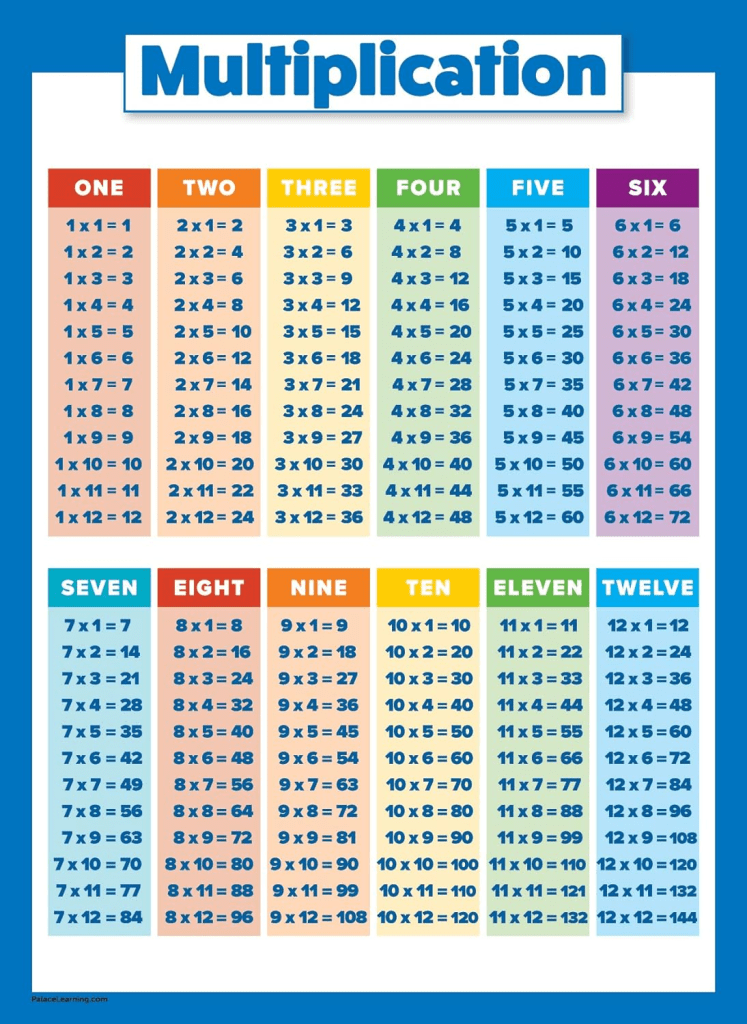
The ability to fluently recall basic multiplication facts is an important facet of mathematics. Children should practise their tables at least three times a week.
這是小學四年級的要求。對三個孩子,我都沒有在家敦促他們練習乘法表,大兒當時的班級上有一個每個孩子的進度表,他的進度算是低於平均值,有個中國媽媽家的兒子則名列前茅。而現在大兒在9年級時去了數學加強班。
二兒我就更沒管了,因為他頭腦比哥哥轉得快。如今到了女兒,我還是不管,就是提醒她,你的老師說你應該每週練習三次。
Re: Do you have a Centrelink Health Care Card, Pensioner Concession Card or Veteran’s Affairs Pensioner Card?
If so, you may be eligible to receive a government rebate of $235 which will be deducted from your Charges and Contributions when claimed. A Clothing Allowance of $115 may also be available. The card must be current some time during the first term; 31st January to 28th March 2024. Application forms are available in Main Administration for completion.

對從中國來的家長來說,能夠理解並做到這些的確不容易,我經歷過許許多多的尷尬。
The aim of the P&C disco is to bring families together outside of school hours to have FUN! However, we first and foremost want you to be safe.
If your child is attending the disco we ask you to please remind them-
1. They know who their adult supervisor is whether this is mum, dad or an adult friend. *The parent volunteers won’t be supervising children on the day/night, it is an after-school event so teachers won’t be on site either.
2. Remind your children it’s a disco and they can play on the playground anytime during school hours. Please tell them to stay within the orange flagged areas we have marked boundaries.
Other things to NOTE:
1. It’s NOT a drop and go event. Parents please stay grab yourself a pair of headphones, dance and chat to other parents.
2. For the Senior Disco as it gets dark and we may have some uninvited guests we’ll have 2 parents patrolling the boundary from XXpm.


 陳旭@perth